
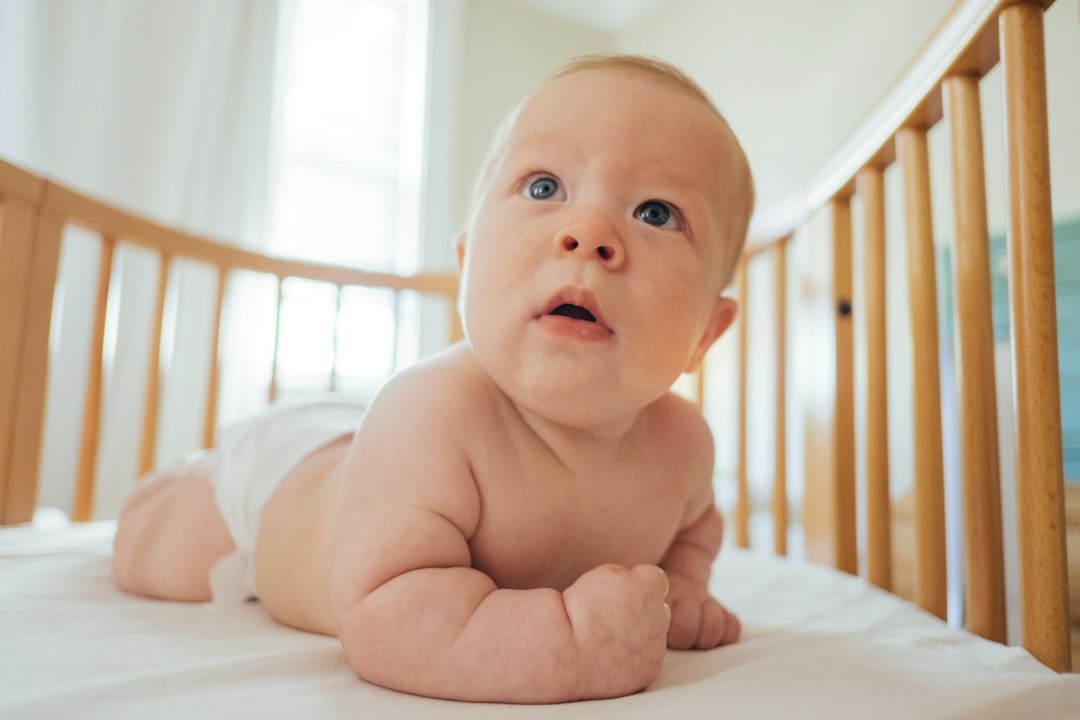
Baby Teeth Grinding: Causes of Bruxism and What to Do Tonight

If your baby grinds their teeth at night, the first thing I want to tell you is that childhood bruxism is very common between the ages of 2 and 6 and, in most cases, it goes away on its own. It involves clenching or grinding the teeth, almost always during deep sleep. In this article you’ll find out what causes it, when it’s worth seeing a professional, and what you can do tonight so your little one sleeps better.
In short
- Childhood bruxism is common in early childhood and usually appears between the ages of 2 and 6, with baby teeth.
- The most common causes are developing bite, stress, mouth breathing and misaligned teeth.
- In most cases no treatment is needed: you observe, relax the bedtime routine and keep an eye on tooth wear.
- See your paediatrician or paediatric dentist if there is pain, visible wear, clicking in the jaw, or if the grinding continues after the age of six.

Bruxism with baby teeth: why it happens at such a young age
A child with baby teeth grinding at night is not unusual. In fact, it is one of the most common reasons for a visit in paediatric dentistry. Baby teeth are in the middle of changing position and the jaw grows quickly. So when the mouth closes, the upper and lower teeth fit together unevenly and the child looks for a comfortable position by rubbing them together.
From around six months, as the first incisors come through, many babies explore the contact between their teeth. It is a mechanical gesture, almost like a game. Baby teeth grinding can also appear during the day, and normally it doesn’t bother them at all.
The peak usually falls between three and six years old, just when the bite is changing fastest. In most cases, the habit fades on its own over time. Even so, it’s worth keeping an eye on: if there is wear on the teeth or discomfort on waking, see a paediatric dentist or your paediatrician so they can assess it.
When it’s worth a quick consultation: morning headaches, sensitivity to cold, clicking when opening the mouth, or a molar visibly worn down.

Teeth grinding in children: main causes and how to prevent it
The causes of grinding teeth during sleep are a combination of physical and emotional factors. No child does it “for no reason”, even if the origin is sometimes hard to see. These are the four most common.
Physical causes: bite, new teeth and mouth breathing
A developing bite is the number one reason. When the permanent molars come through, the space between the teeth changes and the child adjusts their jaw at night. Mouth breathing also plays a part: with the mouth open, the jaw drops and the teeth rub together. If your child snores or sleeps with their mouth open, note this down and mention it to your paediatrician.
Emotional causes: how stress shows up in a young child
A four-year-old doesn’t say “I’m tense”. They show it with bigger tantrums, stalling at bedtime or nighttime grinding. Starting a new school, a house move, a new sibling or a tense family atmosphere all show up in the jaw during the night.
The typical mistake is insisting that they “stop grinding”. It is an involuntary behaviour, so correcting it only adds more pressure. The solution is to lower the emotional load of the day. Cutting screens two hours before bed, adding a warm bath and a quiet story works better than any telling-off.
Example: how to ease tension before bed
Imagine your three-year-old gets home at 18:30, watches the tablet while you eat and goes to bed at 21:00 shouting. Try for a week to put screens away after dinner, swap them for a calm construction game and read two stories in soft light. Keep a note in a notebook of how many nights they grind. That record will tell you more than any intuition.
Other factors: food, sleep and dehydration
Heavy dinners, very hard foods or chewing gum during the day keep the jaw active when night comes. A dry, warm room also dries out the mouth and encourages contact between the teeth. Keep the room cool, between 18 and 20 degrees, and leave water out for the morning.

What to do at home while you observe
Most of the time the approach is to support and wait. These concrete actions help reduce the intensity of the grinding without forcing your child.
- Three-step routine: light dinner, warm bath and a story at the same time, every day.
- Jaw awareness exercises: imagine your five-year-old practising “fish face” (sucking in the cheeks) and “lion face” (opening the mouth and sticking out the tongue) for two minutes before bed. Teach it as a game.
- Hydration: a glass of water on waking and a room that isn’t too dry.
- Dental protection: don’t buy mouthguards without a prescription or professional check-up; only a paediatric dentist can fit them.
The Association Montessori Internationale highlights the importance of rhythm and the child’s autonomy. Keeping a regular sleep schedule is a concrete way to give them security and, at the same time, relax their jaw.
When to see the paediatrician or paediatric dentist
See a professional if the grinding happens every night for more than two weeks, if there is visible wear on a tooth, if your little one complains of pain when chewing, or if the jaw clicks. Also if the habit continues beyond the age of six, when the permanent teeth start coming through.
The professional will rule out bite problems, sleep disorders or enlarged tonsils. Don’t diagnose at home: any medical doubt deserves the opinion of someone who can examine your child.
Observation checklist for the next month
Print or copy this list and review it every Sunday. It will help you spot patterns and decide whether it’s time to book an appointment.
- Does it grind only at night or during the day too?
- How many nights a week does it happen?
- Do they complain of headaches or ear pain on waking?
- Do they sleep with their mouth open or snore?
- Have there been recent changes at home or at school?
Frequently asked questions
Is it normal for a baby to grind their teeth while sleeping?
Yes, it is normal and common. Baby teeth grinding mostly appears between the ages of two and six, when the bite changes and the jaw adapts. It usually goes away on its own, without pain or dental damage. Keep an eye on tooth wear and see your paediatrician if any discomfort appears.
At what age does childhood bruxism go away?
Childhood bruxism usually fades around six or seven years old, once the permanent teeth have settled. Many children stop grinding without any treatment. If the habit continues during the permanent dentition, a paediatric dentist assessment is worthwhile to rule out bite or sleep problems.
What causes a child to clench their teeth at night?
The most common causes are a developing bite, everyday stress, mouth breathing and misaligned teeth. Tiredness and heavy dinners also play a part. Observing your child’s context, routines and rest usually reveals the main factor.
When should I take my child to the dentist for teeth grinding?
Take them if you notice visible wear on a tooth, if your child complains of pain when chewing or on waking, if the jaw clicks, or if the grinding continues after the age of six. The paediatric dentist will assess whether a bite guard or other treatment is needed.
Can stress make my child grind their teeth?
Yes. Stress shows up in young children’s bodies, and the jaw is one of the first places it appears. Changes in routine, a new sibling or a tense family atmosphere can increase nighttime grinding. Lowering the pressure and caring for the pre-sleep routine usually shows results within a few days.









