
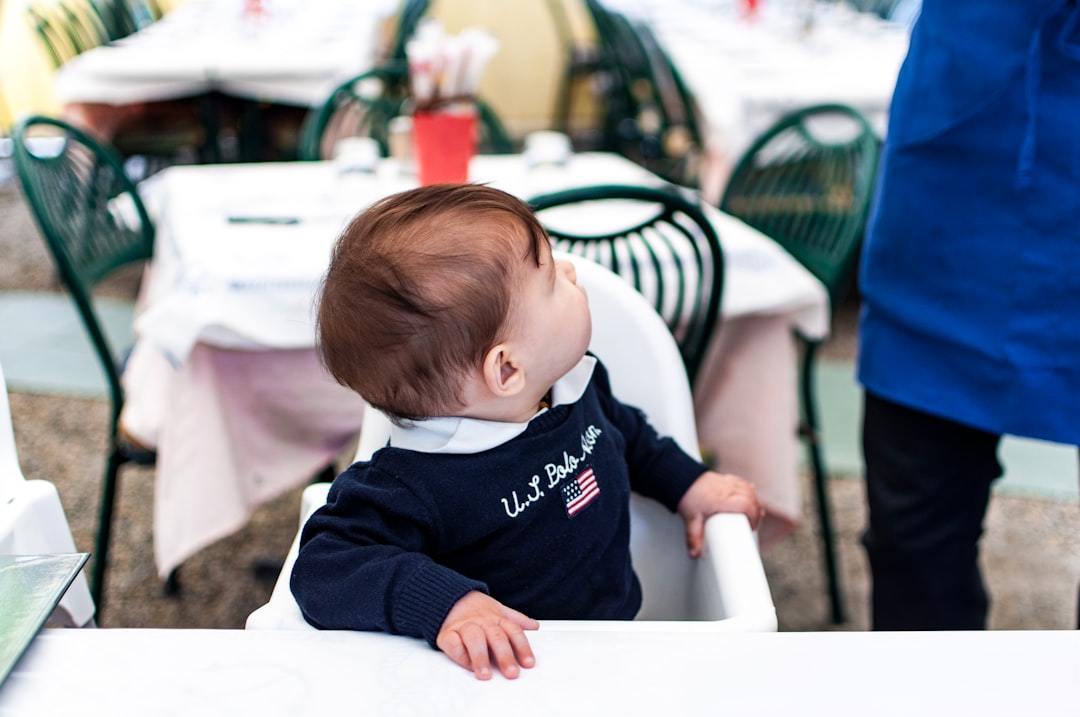
Starting Solids at 6 Months: A Montessori Guide for Sotogrande Families

Starting solids at 6 months is the stage when a baby begins trying foods other than milk, usually around this age when they show signs of readiness. Breast milk or formula remains the foundation. Begin with safe textures, small amounts and an adult present, without forcing your baby or dropping milk feeds.
Key points
- Wait for signs of readiness, not just a date on the calendar.
- Keep breast milk or formula as the foundation of your baby’s diet.
- Offer a variety of soft foods suited to your baby’s abilities.
- Supervise every meal and avoid foods that pose a choking risk.

What does starting solids at 6 months mean?
When starting solids at 6 months, the goal is not for your baby to eat a full plate. It is about discovering flavors, smells and textures while continuing to drink milk and gradually taking part in family life.
Baby feeding at 6 months does not follow a rigid schedule. Some babies accept several spoonfuls from the beginning, while others need weeks to become familiar with food. Therefore, watch your baby’s response and move forward without comparing them with others.
If your baby was born prematurely, has swallowing difficulties, known allergies or concerning growth, consult their pediatrician first. The American Academy of Pediatrics offers general guidance, but it does not replace an individual assessment.

Starting solids at 6 months: signs of readiness
Starting solids at 6 months should begin when your baby shows several signs of readiness, not simply when they turn six months.
Look for good head control, the ability to remain seated with support and coordination between their hands and mouth when bringing objects to it. Your baby will also usually show interest in food and stop pushing everything out with their tongue. These signs should appear together and consistently.
Starting solids at 6 months and independence at home
At this stage, the adult decides which safe foods to offer, when to offer them and where the baby sits. The child takes part at their own pace and may show they have finished by turning their head or closing their mouth.
Let your baby touch the food and get a little messy. However, never let them eat without supervision. Independence requires an attentive adult, a stable position and an appropriate texture.
If you would like to discover a setting that supports independence from the earliest years, book a personalized school visit and ask about the Nido environment at IMS Sotogrande.

What to offer when starting solids at 6 months
At 6 months, your baby’s diet can include vegetables, fruit, grains, legumes, egg, meat and fish, always in soft textures suited to their development. Variety helps your baby become familiar with foods, but you do not need to offer many at one meal.
Introducing solids at 6 months: pace and variety
Introducing solids at 6 months works best with small amounts and a gentle progression. Start with one simple option and observe how your baby responds. Then combine familiar foods with new ones.
During the introduction of solids at 6 months, breast milk or formula still meets a large part of your baby’s needs. Food complements milk feeds, while small amounts of water can be offered with meals according to advice from your baby’s health professional.
Baby’s first foods: variety and texture
Your baby’s first foods can include very soft broccoli, mashed potato, avocado, ripe banana, zucchini, oats or well-pureed legumes. You can also offer soft strips that your baby can grasp, always with supervision.
When your baby’s first foods include egg, fish or nuts in safe forms, do not delay them without a medical reason. If your baby has severe eczema, a known allergy or a relevant family history, consult their pediatrician before introducing them.
A Montessori mealtime for your baby
A Montessori environment does not prescribe a menu or a single way of eating. Prepare an orderly, safe and calm space so your baby can take part in a real family-life experience.
The Association Montessori Internationale places independence and respect for the child’s pace at the center of the educational experience. At home, this may mean a stable chair, a clear table and simple utensils.
What does a respectful mealtime look like?
Sit your baby upright, remove screens and eat nearby to model the behavior. You can offer two safe foods and let your baby explore. Baby-led weaning (BLW) and spoon-feeding can coexist if the approach respects your baby’s abilities.
For an international family that has recently moved to Sotogrande or the Campo de Gibraltar, keeping a shared routine can help connect languages, customs and schedules. Your baby also learns by watching the people who sit with them.
Safety: texture, posture and allergies
Safety depends on three things: an upright position, an adult who is present and foods with a soft texture. Your baby should be awake when eating and never eat while walking, playing or lying down.
Do not offer whole nuts, popcorn, whole grapes, hard pieces of apple or carrot, sausage rounds or sticky foods. Also avoid honey before 12 months and limit added salt and sugar.
Introduce potentially allergenic foods safely and without routinely delaying them. If swelling, widespread hives, repeated vomiting, difficulty breathing or unusual lethargy appears, seek urgent medical care.
Frequently asked questions
Does starting solids at 6 months begin exactly when your baby turns six months?
Starting solids at 6 months usually begins around this age when your baby has good head control, can sit with support, coordinates their hands and mouth and shows interest in food, while breast milk or formula continues to provide most of their nutritional needs.
For premature babies or babies with medical needs, the timing should be adjusted with their pediatrician. Your baby’s maturity matters more than one isolated date.
What can a 6-month-old baby eat?
A 6-month-old baby can try vegetables, fruit, grains, legumes, egg, meat and fish in soft textures suited to their development, while breast milk or formula remains the foundation of their diet and water is offered according to advice from their health professional.
Avoid hard, round or sticky foods. Also, introduce new foods one at a time when you want to monitor tolerance more closely.
Is BLW or spoon-feeding purées better at 6 months?
Baby-led weaning and spoon-feeding can both be part of a safe approach to starting solids at 6 months if your baby is ready, remains upright, receives soft foods and always eats with an attentive adult who adapts the texture and size to their abilities.
Many families combine both options. There is no point turning the method into a test; the goal is to feed and support your baby without pressure.
Key takeaways
Starting solids at 6 months is not a test of how much your baby eats. It is a gradual transition in which your baby gets to know foods, keeps their milk feeds and builds confidence with family support.
This week, check your baby’s posture, prepare two soft foods and share a screen-free meal. If you have questions about allergies, prematurity or swallowing, consult their pediatrician before moving forward.









