
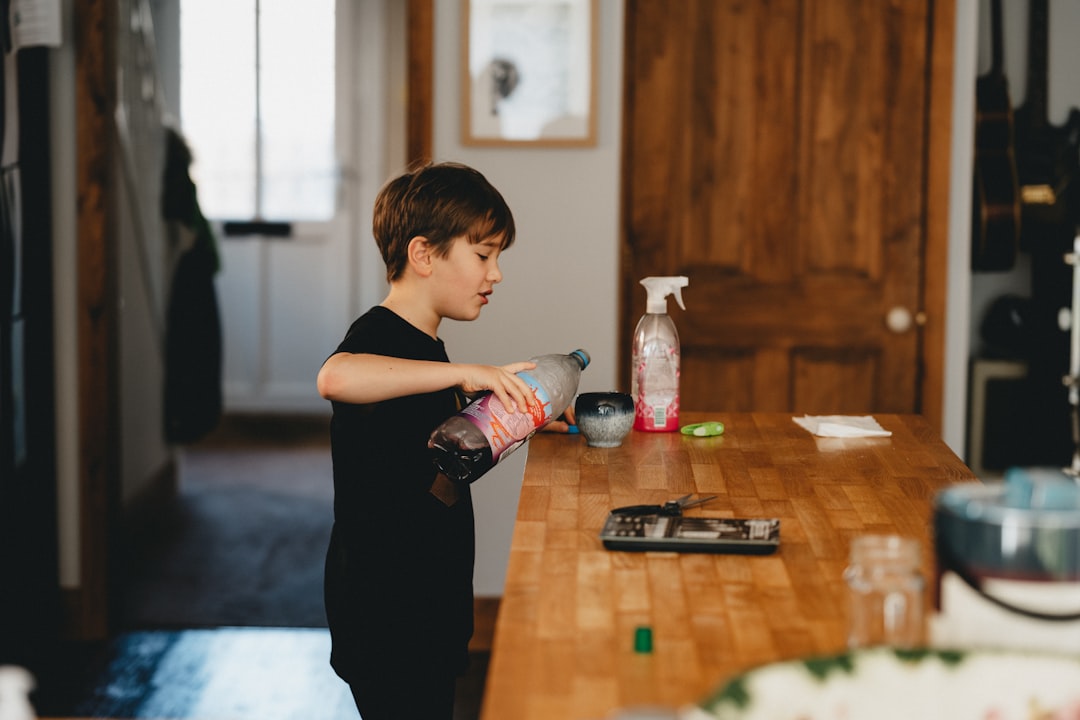
Montessori Parenting: How to Teach Kids Responsibility from a Young Age

Every family wonders at some point how to teach kids responsibility without turning daily life into a constant battle. The good news is that responsibility isn’t an inherited trait, but a skill built step by step. When a young child waters a plant or picks up their toys, they are beginning to understand that their actions have an effect on the world around them.
Key Takeaways When it comes to how to teach kids responsibility, it pays to listen to what families and lead guides actually report.
- Responsibility is learned by doing, not by listening to lectures.
- The Montessori pedagogy proposes real, age-appropriate tasks.
- A prepared environment at home makes it easier for the child to act independently.
- Consistency and positive reinforcement are more effective than punishment.
- Mistakes are learning opportunities, not causes for blame.
Why Teaching Kids Responsibility Matters So Much
Children’s responsibility goes far beyond tidying their room. When a child takes on small tasks, they develop healthy self-esteem. They understand they are capable of contributing to the common good and that their effort has value. This creates a virtuous cycle: the more competent they feel, the more motivated they show themselves to be in helping out. Studies from the Association Montessori Internationale (AMI) confirm that children who participate in practical life activities at home show greater concentration and social skills. Daily practice with how to teach kids responsibility reveals nuances no handbook fully captures.
Furthermore, responsibility is the foundation of autonomy. A child who chooses their own clothes, prepares their snack, or cares for a pet is rehearsing adult life in a safe way. In the Montessori classroom, we observe every day how this early confidence translates into more secure teenagers and more resilient adults. Understanding how to teach kids responsibility from inside the classroom reshapes everyday decisions.

The Most Common Mistake Parents Make
We want to do everything quickly and perfectly. If your four-year-old takes ten minutes to set the table, it’s natural to feel the urge to do it yourself in two. But every time you ‘do it for them,’ you send an implicit message: ‘you’re not capable.’ Patience is the secret ingredient. Accepting that the shirt is wrinkled or the glass is filled to the brim is part of the process. Your child needs to make those small ‘mistakes’ to learn to improve. Concrete data on how to teach kids responsibility is worth reviewing before acting on assumptions.
Another frequent mistake is using responsibility as punishment. Phrases like ‘because you didn’t tidy up, there’s no park’ associate the task with something negative. Instead, if you present the activity as natural and necessary, the child integrates it as part of their routine. It’s not about rewarding every gesture, but about normalizing it.

How to Teach Responsibility by Age at an English-Speaking School
18 Months to 3 Years: Imitation and Order
At this stage, the child absorbs everything they see. If they observe you hanging their coat on a low hook, they’ll want to imitate you. Offer a child-sized broom, a small sponge, or a tray for carrying objects. The goal isn’t for them to clean perfectly, but to experience the satisfaction of ‘doing like mummy or daddy.’ In the Montessori Nido, children of this age already participate in environmental care activities, such as watering plants or wiping trays.
3 to 6 Years: Real Tasks with Meaning
Children in the Montessori Casa de Niños (Children’s House) are already capable of peeling an egg, loading the washing machine, or sorting laundry by color. The key is to offer authentic, not simulated, tasks. A five-year-old knows perfectly well that a plastic toy isn’t a ‘real kitchen.’ They prefer to help you whisk a real egg. Moreover, at this age, the language of duty begins to take shape. You can introduce the idea of ‘this is what we do in our family.’
6 to 12 Years: Responsibility and Community
In the Montessori Elementary workshop, children work on collective projects where each has a role. At home, you can assign them a fixed task: feeding the pet, taking out the rubbish, or packing their school bag. The important thing is that the task is theirs, not an occasional help. When a child of this age forgets something, instead of rescuing them, allow them to experience the natural consequence (going to school without their homework) so they learn to organize themselves.
Book a personalized school visit and discover how we foster responsibility in our classrooms at our bilingual school near Gibraltar.

The Role of the Prepared Environment at Home
Maria Montessori insisted that the environment is the third educator. If you want your child to be autonomous, adapt the home. A low coat hook, a shelf with toys within reach, a step stool in the kitchen to reach the counter. These small changes eliminate dependency on the adult. When the child doesn’t need to ask for help for every little thing, their confidence grows exponentially.
It’s also useful to set up a task corner. A small table with cleaning or craft materials, accessible at any time. This way, the child can choose when to act, which reinforces their intrinsic motivation. Remember that the goal isn’t for them to do everything perfectly, but for them to feel an active part of family life.
What to Do When a Child Refuses
It’s normal to have days when your child doesn’t want to help. Don’t take it as a personal attack. They might be tired, bored, or simply need a break. Instead of imposing, offer limited choices: ‘Do you prefer to set the table now or after washing your hands?’ This small margin of choice gives them a sense of control while still completing the task.
If the refusal becomes chronic, review whether the task is appropriate for their age. Sometimes, what looks like disobedience is frustration. A child who can’t reach the sink or doesn’t know how to use detergent needs your guidance, not your anger. At IMS Sotogrande, our Montessori guides observe the child to adjust the activity to their developmental level, an approach you can replicate at home.
Frequently Asked Questions for Expat Families
At what age can you start teaching responsibility?
You can start from 18 months, when the child shows interest in imitating adults. Tasks should be very simple and adapted to their motor skills: carrying lightweight objects, placing toys in a basket, or cleaning up a spill with a sponge. The important thing is that the activity is real and that the adult models it first calmly.
What if my child does the task poorly?
Don’t correct them in front of them. Let them finish and, if necessary, show how you would improve it without criticizing their effort. Perfection isn’t the goal. What’s valuable is that the child tried and learned. Over time, quality will improve naturally. If you scold them, they’ll associate the task with failure and lose motivation.
Is it good to reward children for being responsible?
Constant material rewards can create external dependency. It’s better to use verbal recognition: ‘You set the table without being asked, that helps me a lot.’ This kind of feedback reinforces intrinsic motivation. If you want an occasional incentive, choose experiences (an extra playtime) instead of objects or money.
How to foster responsibility in a bilingual school?
In a bilingual school like IMS Sotogrande near Estepona and Marbella, children internalize responsibility in two languages and cultural contexts. Classroom routines, environmental care tasks, and community projects are experienced in both Spanish and English, which reinforces learning. Moreover, contact with international families broadens the perspective on what it means to be an active member of the community.
Key Conclusions
Teaching kids responsibility is a gradual process that requires trust, patience, and an adapted environment. It’s not about assigning tasks, but about accompanying the child on their path to autonomy. Every small gesture, from hanging up their backpack to preparing their snack, is a brick in the construction of their character.
If you want to see how we apply these principles in the classroom, we invite you to learn about our educational project. A visit to our classrooms will allow you to observe firsthand how children become protagonists of their own learning, guided by AMI-trained educators at our international school on the Costa del Sol.









