
Top Montessori Preschool Near Gibraltar: How to Choose the Best One

Finding the best Montessori preschool near Gibraltar is one of those decisions that keeps parents up at night. You want a place where your child grows secure, independent, and happy, but the options can be overwhelming. Not every school that uses the word ‘Montessori’ applies the method with rigor, and that makes a huge difference.
- The name isn’t enough: AMI (Association Montessori Internationale) accreditation ensures the method is applied faithfully.
- The prepared environment is as important as the curriculum: real materials, respected rhythms, and trained guides.
- At IMS Sotogrande, we combine Montessori pedagogy with Spanish-English bilingual immersion, something unique in the area.
- Our location in Sotogrande offers security, nature, and easy access from across the entire region.
- What does a “Montessori preschool” really mean?
- Key differences between a Montessori preschool and a traditional daycare
- How to know if a school truly applies the Montessori method
- Why families from across the region choose Sotogrande
- What to ask before choosing a Montessori preschool
- Frequently Asked Questions
- Key Takeaways
What does a “Montessori preschool” really mean?
Many families are surprised to learn there’s no strict regulation for using the Montessori term. Any school can include it in their name. That’s why the first step to finding the best Montessori preschool near Gibraltar is to verify its accreditations. A school accredited by AMI meets international standards for guide training, materials, and educational philosophy.
In practice, this shows in every detail. Children work with sensory materials designed by Maria Montessori, not generic toys. Guides observe instead of direct. The pace is set by each child, not a rigid schedule of activities. When it comes to Montessori preschool near Gibraltar, it pays to listen to what families and lead guides actually report.

Key differences between a Montessori preschool and a traditional daycare
The most visible difference is autonomy. In a Montessori classroom, an 18-month-old chooses their activity, works for as long as needed, and returns the material when finished. There are no rows or forced seating. This isn’t chaos; it’s a prepared environment with intention. Daily practice with Montessori preschool near Gibraltar reveals nuances no handbook fully captures.
Another important difference is language. At IMS Sotogrande, for example, children are immersed in Spanish and English naturally from the Nido (0-3 years). It’s not an extra language class; it’s immersion experienced within the classroom. For international families relocating to the area, this greatly eases the transition.
The adult’s role also changes. A certified Montessori guide observes, presents materials, and then gives space. They don’t interrupt a child’s concentrated work, something neuroscience has shown is fundamental for cognitive development.
Book a personalized school visit and see a real Montessori classroom in action: IMS Sotogrande admissions.

How to know if a school truly applies the Montessori method
There are clear signs. First, ask about the guides’ training. Are they AMI certified? Have they completed an official course from the Association Montessori Internationale? This isn’t a minor detail: a guide without specific training can hardly offer an authentic Montessori experience.
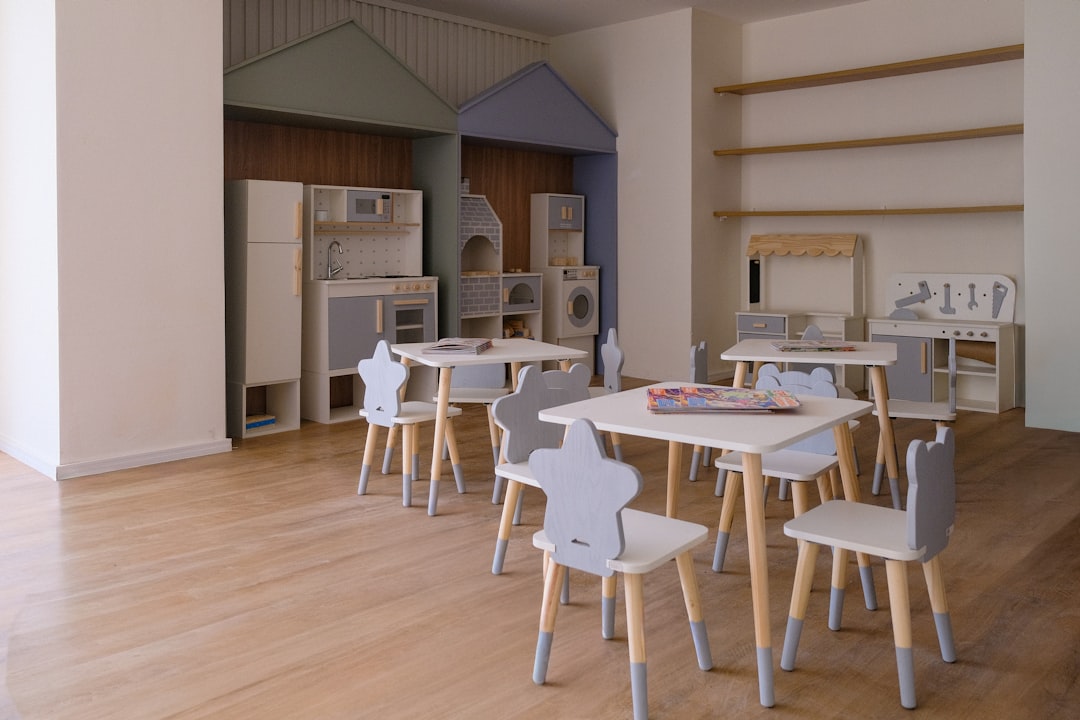
Second, observe the classroom. Materials should be real, made of wood, organized on accessible shelves. You shouldn’t see screens on or plastic toys with batteries. The environment should invite order, calm, and concentration.
Third, check the schedule. A quality Montessori program offers long blocks of uninterrupted work, not a succession of 20-minute activities. In our Nido, for example, children enjoy the entire morning with real time to explore.

Why families from across the region choose Sotogrande
The Campo de Gibraltar has educational options, but few combine Montessori pedagogy with international accreditation. Many families from La Línea de la Concepción, Algeciras, San Roque, or even Gibraltar look for something different for their children and are willing to make a short commute to find it.
Sotogrande offers a safe, peaceful, and connected environment. The A-7 and AP-7 motorways provide easy access from the entire area. A family from Algeciras takes about 20 minutes to arrive. From La Línea, just 15. It’s a real commute, yes, but the educational value found here more than compensates.
Moreover, Sotogrande’s international community makes expat families feel welcomed from day one. Our school is trilingual (Spanish, English, and German), with programs designed for children moving between cultures and languages.
What to ask before choosing a Montessori preschool
Bring a list of questions to your visit. Don’t settle for a nice brochure. Ask to see the classroom in action, speak with a guide, and understand the daily routine. Some useful questions:
- What training do the guides have? Are they AMI certified?
- How do they handle bilingualism? Is it true immersion or separate classes?
- What materials do they use? Are they the ones designed by Maria Montessori?
- How do they communicate the child’s progress to the family?
- What is the child-to-guide ratio?
At IMS Sotogrande, we answer each of these questions during a personalized visit. We believe an informed family makes better decisions.
Frequently Asked Questions
What is the difference between a Montessori preschool and a conventional daycare?
A Montessori preschool respects each child’s individual rhythm, offers sensory materials specifically designed for development, and trains its guides in Montessori pedagogy. In a conventional daycare, the adult usually directs activities and the schedule is more rigid. The deepest difference lies in the philosophy: Montessori trusts in the child’s innate capacity to learn.
At what age can my child start in a Montessori preschool?
Montessori programs can start from 4 months, like our Semillas (Seeds) program. At this age, the focus is on secure attachment, free movement, and sensory exploration. There’s no rush to ‘teach’ anything; the prepared environment does the work.
Is it better to choose a Montessori school with AMI accreditation?
Yes, AMI accreditation guarantees the school meets the international standards of the Association Montessori Internationale. This includes guide training, classroom materials, and educational philosophy. A school without this accreditation may offer a good experience, but you can’t be sure it’s authentic Montessori.
Is it worth the daily commute to take my child to a Montessori preschool?
For many families from La Línea, Algeciras, or Gibraltar, the 15-25 minute commute to Sotogrande is worthwhile. The quality of the environment, the training of the guides, and the bilingual immersion are hard to find in the area. Plus, the journey becomes a moment of family connection.
Key Takeaways
Finding the best Montessori preschool near Gibraltar requires looking beyond the name. Look for real accreditation, trained guides, authentic materials, and an environment that respects your child’s pace. The difference between a true Montessori and one in name only is vast.
If you want to see a Montessori classroom in action and have your questions answered by a certified guide, we’re here. Book your visit to IMS Sotogrande and discover why families from across the region choose us.









