
Best Montessori Nursery School in Sotogrande: How to Choose for Toddlers (0-3)

Finding the best Montessori nursery in Sotogrande is not an easy decision. As a parent, you want a place where your baby feels safe, respected, and stimulated from the very first months. And you want to know there’s real pedagogy behind it, not just a Montessori sign hung up for marketing. In this article we explore best montessori nursery sotogrande in depth with practical examples.
In this article, I give you concrete keys to evaluate a 0-3 centre. I don’t talk in general terms: I tell you what to look for, what to ask, and how to recognise an authentic Montessori environment. Because the best Montessori nursery in Sotogrande isn’t the prettiest one on Instagram, but the one that truly respects your child’s development. When it comes to best montessori nursery sotogrande, it pays to listen to what families and lead guides actually report.
- An authentic Montessori Nido holds AMI (Association Montessori Internationale) accreditation or has guides certified by this body.
- The prepared environment for babies includes padded floors, wall-to-wall mirrors, Munari mobiles, and real objects within their reach.
- The adult-to-child ratio in 0-3 should be low, ideally 1 guide for every 4-6 children, for personalised attention.
- Communication with families is constant: weekly reports, parent-teacher meetings, and an open channel with the guides.
- What Makes a Montessori Nursery in Sotogrande Authentic?
- What is a Montessori Environment Like for Babies (0-3 Years)?
- What Questions to Ask When Visiting a Montessori Nursery?
- Why Families from La Línea, Algeciras & Estepona Choose Sotogrande
- When is the Best Time to Start in a Montessori Nido?
- Frequently Asked Questions
- Key Takeaways
What Makes a Montessori Nursery in Sotogrande Authentic?
The name Montessori is not legally protected. Any centre can use it without specific training. That’s why the first thing to check is whether the school holds AMI accreditation or if its guides are certified by the Association Montessori Internationale. Daily practice with best montessori nursery sotogrande reveals nuances no handbook fully captures.
This certification guarantees that professionals have completed rigorous training (over a year of practical and theoretical study) and that the environment meets Montessori standards. In the Campo de Gibraltar, very few centres meet this requirement. At IMS Sotogrande, our founder Olimpia Tardá and our team of guides have worked to AMI standards for more than two decades. Understanding best montessori nursery sotogrande from inside the classroom reshapes everyday decisions.
A key fact: AMI is the organisation founded by María Montessori herself in 1929. When a centre holds AMI accreditation, it means it has passed external audits on materials, ratios, staff training, and educational philosophy. It’s the most reliable quality seal that exists in Montessori education. Concrete data on best montessori nursery sotogrande is worth reviewing before acting on assumptions.

What is a Montessori Environment Like for Babies (0-3 Years)?
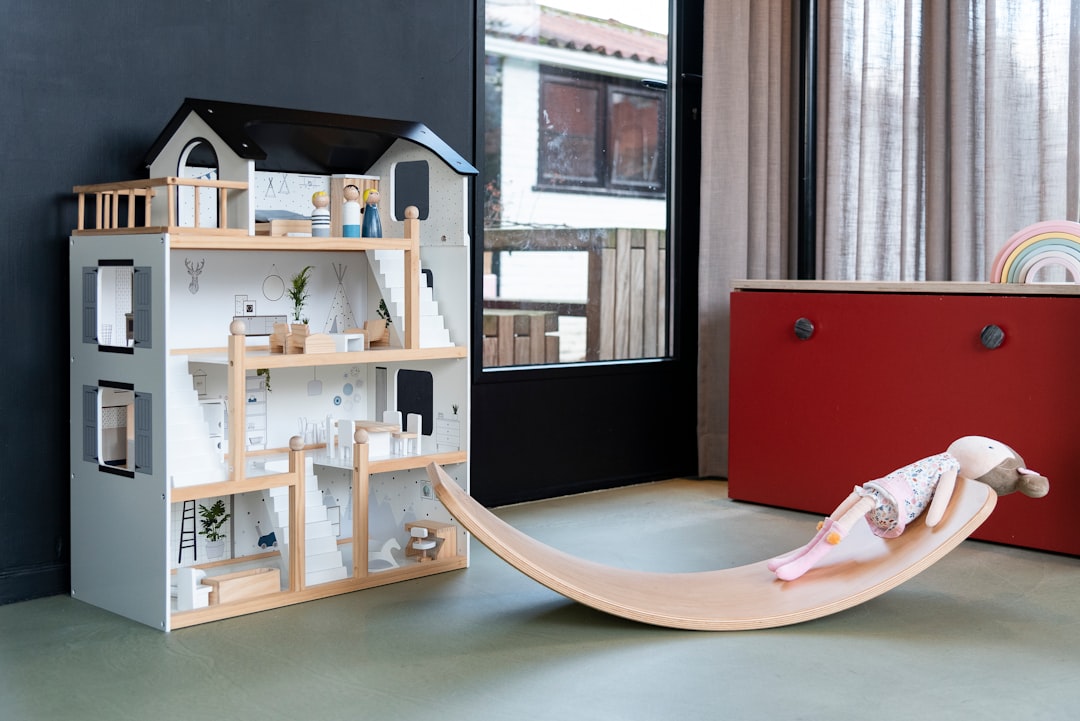
The prepared environment is the heart of Montessori education. For babies aged 0 to 3, this means a space designed to their scale: low shelves with accessible materials, clean and warm floors for crawling freely, and an environment without excessive stimulation.
In an authentic Nido, you’ll find:
- Individual sleeping spaces with low floor beds.
- Munari and Dancer mobiles for visual stimulation from birth.
- Floor-level mirrors for bodily self-awareness.
- Adapted practical life materials: small jugs, real spoons, sponges.
- A bilingual environment where babies hear Spanish and English naturally.
All this isn’t decoration. Every element has a pedagogical intention. The baby who crawls towards a shelf and chooses a Munari mobile is exercising their autonomy. And that autonomy, cultivated from the earliest months, makes a difference in all their later development.
If you’d like to see what a real Montessori environment for babies looks like, I invite you to book a personalised visit to the school. There’s nothing like stepping into the classroom and feeling the environment.

What Questions to Ask When Visiting a Montessori Nursery?
Not all visits are equal. Carrying the right questions will help you distinguish an authentic centre from one that uses the Montessori name as a lure. Here are the questions I would ask:
- Do you have AMI accreditation or certified guides? Ask to see the certificates. It’s your right as a family.
- What is the adult-to-child ratio in 0-3? A high ratio (more than 8 children per adult) makes the individualised attention Montessori requires difficult.
- How does the settling-in transition work? A respectful centre offers a gradual adaptation period, not abrupt separations.
- What training do the guides have? AMI training is the standard, but also value experience and true vocation.
- How do you communicate with families? Weekly reports, termly parent meetings, and team accessibility are signs of a serious centre.
Also observe what they don’t tell you. Are the children free to move or sitting in chairs for hours? Is there respectful silence or constant noise? Are materials organised and within children’s reach or locked away in cupboards? These details speak louder than any brochure.

Why Families from La Línea, Algeciras & Estepona Choose Sotogrande
Many families in the Campo de Gibraltar and the Costa del Sol wonder if the trip to Sotogrande for a 0-3 centre is worth it. The short answer: yes, when the centre offers something you can’t find closer.
From La Línea de la Concepción, the drive is about 15-20 minutes via the A-7. From Algeciras, about 20-25 minutes. From Estepona, a little over 20 minutes. These are short trips that become part of the family routine.
What these families find at IMS Sotogrande is a combination hard to replicate: AMI accreditation, a bilingual Spanish-English environment from the very first months, a safe and tranquil setting at Sotomarket, and a team that knows every child by name. It’s not just another nursery: it’s a space where your baby grows up respected.
When is the Best Time to Start in a Montessori Nido?
There isn’t a magic age, but there are sensitive windows. María Montessori observed that the first three years of life are the period of greatest mental absorption. The baby learns from everything around them without conscious effort, like a sponge.
At IMS, we accept children from 4 months in our Semillas programme. At that age, the baby already has some head control and starts to take interest in the environment. But every family has their moment. Some arrive at 6 months, others at a year, others at 2 years old. The important thing isn’t the exact age, but finding an environment that respects their rhythm.
If your child is already 2 or 3 years old and has never been to a Montessori centre, don’t worry. Children are extraordinarily adaptable. What matters is that the environment they enter is coherent with the pedagogy: real materials, freedom of movement, and adults who observe before intervening.
Frequently Asked Questions
What’s the difference between a Montessori nursery and a traditional nursery?
In a Montessori nursery, the child chooses their activity within a prepared environment, whereas in a traditional one, activities are usually adult-directed for the whole group. The Montessori approach respects each child’s sensitive periods and fosters autonomy from infancy. The materials are sensory and real, not generic plastic toys.
Is it good for a baby under one year old to go to a Montessori Nido?
Yes, if the environment is authentic and the ratio allows for personalised attention. In a well-prepared Montessori Nido, the baby finds security, free movement, and stimuli appropriate to their development. The key is a respectful adaptation period and trained guides who understand the needs of the youngest children.
How do I know if a Montessori nursery is truly Montessori?
Ask for the centre’s AMI accreditation or the AMI training certificates of the guides. Observe the environment: it should have real Montessori materials (not plastic versions), child-height furniture, and freedom of movement. If the children are sitting in rows doing the same activity, it’s not Montessori.
What schedules does a Montessori Nido in Sotogrande offer?
At IMS Sotogrande, we offer various schedule options for families with different needs. Our Semillas programme runs in the morning, and the Nido/Raíces and Nido/Alas programmes cover longer days, until 5:00 PM. For up-to-date options, we recommend visiting our admissions page or contacting the team directly.
Key Takeaways
Choosing the best Montessori nursery in Sotogrande starts with asking the right questions: AMI accreditation, low ratio, prepared environment, and constant communication with families. Don’t be swayed by the name: seek the essence of the pedagogy.
If your family lives in the Campo de Gibraltar or the Costa del Sol and you’re looking for a Montessori Nido where your child grows up respected, I invite you to visit us. Book your personalised visit and see for yourself what an authentic Montessori environment looks like.









