
What Today’s Parents Want From Education
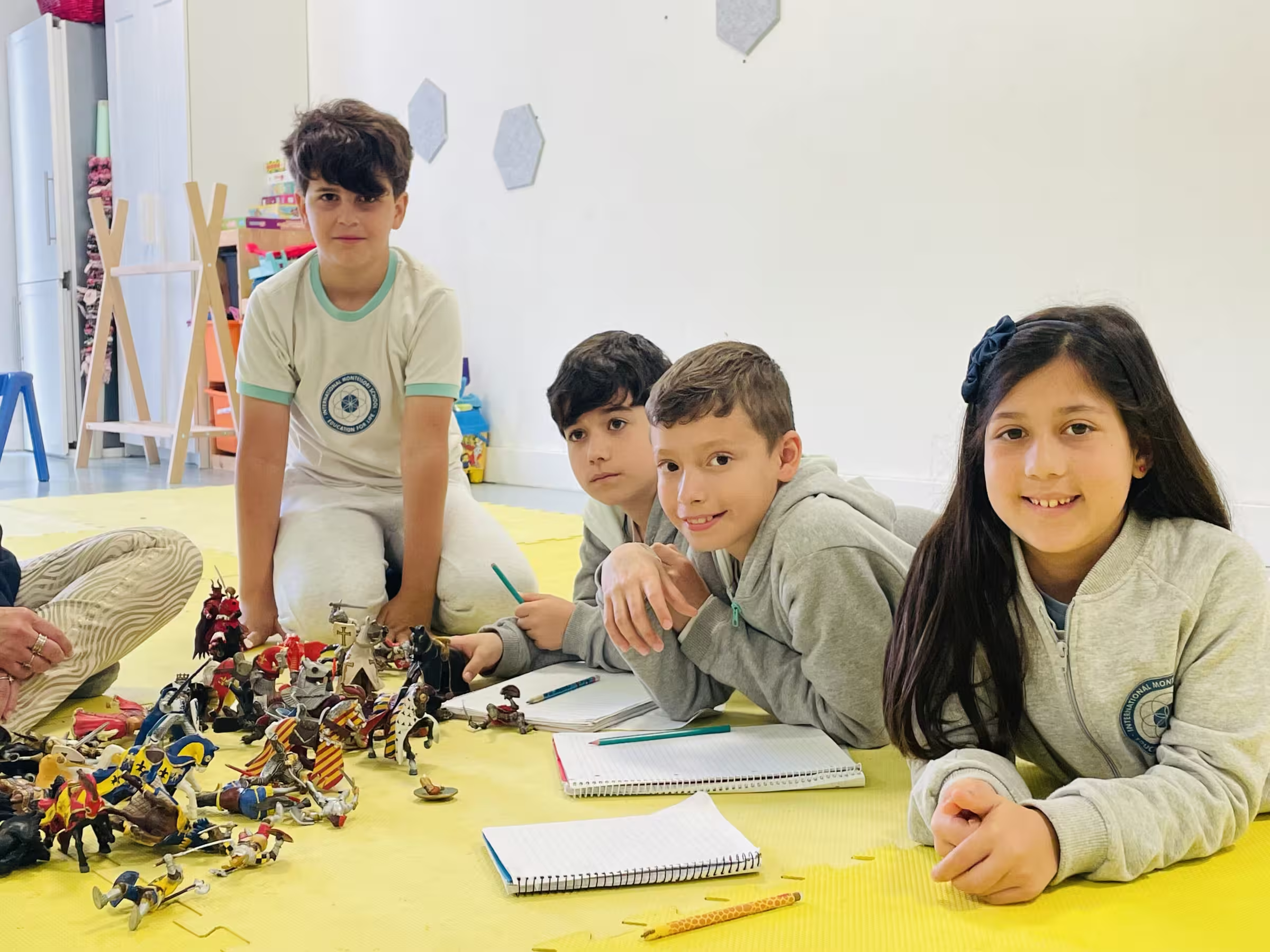
Across Spain, Europe and beyond, families are rethinking what they want from a school. Academic excellence and bilingual fluency remain important, but parents are looking for something deeper: a school that understands childhood in a holistic way, one that sees children not as outcomes but as developing human beings navigating an increasingly complex world. At International Montessori School Sotogrande (IMS), this shift shapes everything we do.
A Shift in What Matters Most
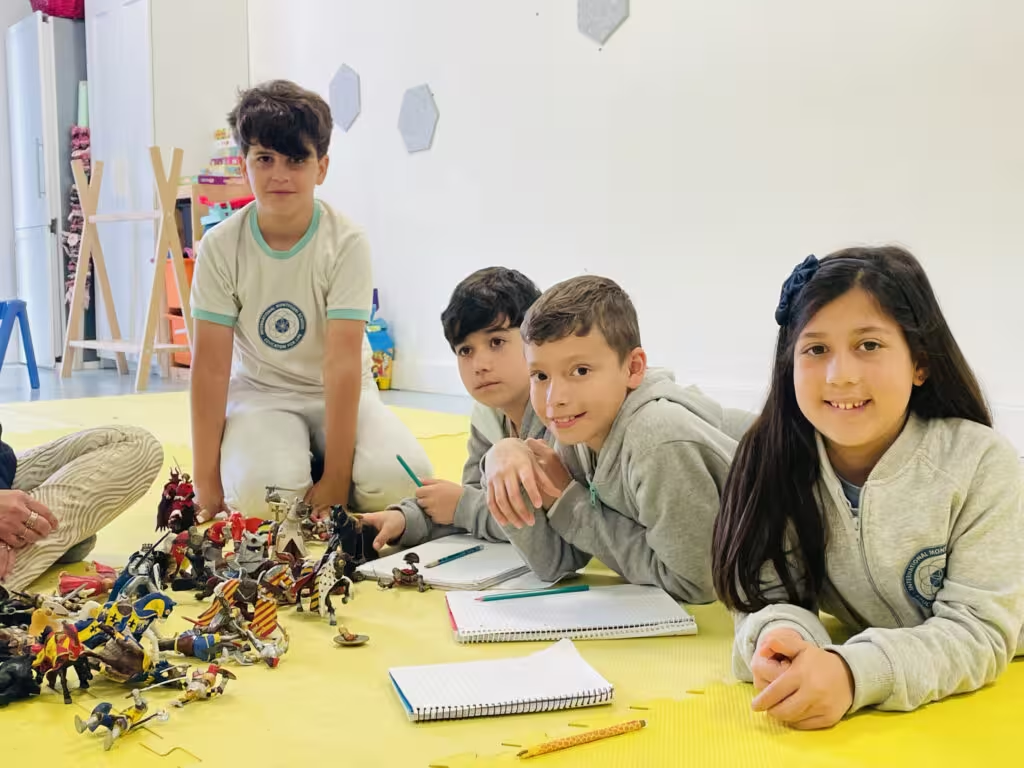
Today’s children are growing up surrounded by social media, fast-paced routines, digital pressure and increasing emotional demands. Concerns around bullying, exclusion, anxiety and wellbeing have become central to how parents choose a school. Families want an environment that supports their child socially and emotionally as well as academically — a place where their child feels understood, where resilience, empathy and independence can grow naturally, and where emotional intelligence is treated as a core part of learning, not an optional extra.
Why Montessori Meets These Needs So Powerfully
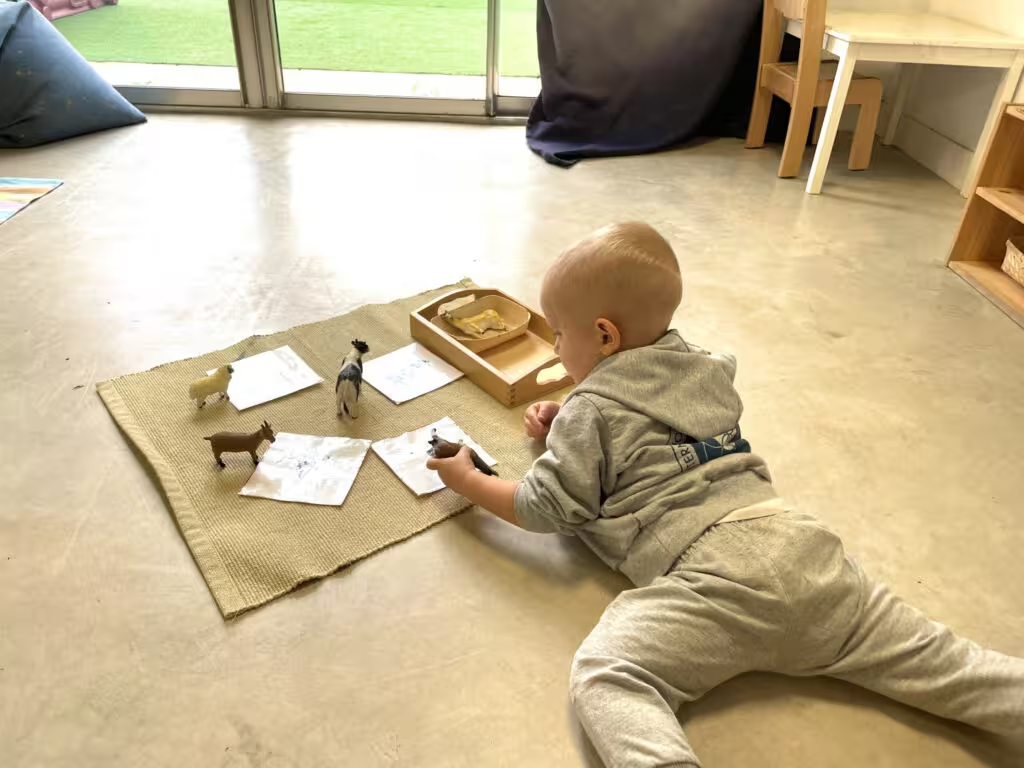
Montessori has always educated the whole child, and in today’s climate this approach feels more relevant than ever. Children learn at their own pace, building confidence from genuine experience rather than comparison with their peers. The prepared environment is calm and intentional, encouraging concentration, collaboration and independence — qualities that help children develop the emotional foundations they need to navigate an unpredictable world. Bilingualism at IMS grows from real conversation and everyday interaction, giving children language skills that feel natural, joyful and meaningful, rather than the product of drilled repetition.
A School Strengthened by Psychological Insight
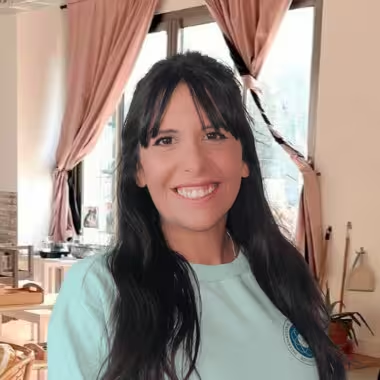
What makes IMS truly stand out is the psychological expertise at its heart. Our School Director, Tamara Muñoz, is a psychologist who brings a deep understanding of childhood development, emotional wellbeing and the social experiences that shape young children. Her work is woven naturally into school life: through small group projects, reflective conversations and gentle observation, she helps children recognise their feelings, express their needs respectfully, navigate conflict thoughtfully and build resilience. This guidance supports the Montessori approach beautifully, ensuring that emotional development is cared for as fully as academic growth. Parents often tell us this is one of the reasons they feel so confident choosing IMS — knowing their child is supported by a team that understands the emotional needs children have as they grow.
How IMS Brings This Vision to Life
Children are supported emotionally, socially and academically with equal care. Each morning begins with a personal welcome tailored to the child in front of us: a quiet, reassuring “good morning, I’m glad you’re here” for the child who needs gentle warmth, or an enthusiastic greeting for the child who arrives full of energy. These small moments set the tone for a day built on trust and connection. Throughout the day, our guides speak thoughtfully, observe with intention and support each child at the rhythm that feels right for them. In this bilingual, Montessori-inspired environment, independence grows with guidance, confidence develops without pressure, and empathy emerges through real relationships and shared experience. IMS feels like a community — a place where children experience belonging, safety and genuine warmth, the foundations on which deep learning and emotional wellbeing are built.
Frequently Asked Questions
What does it mean to educate “the whole child”?
It means paying equal attention to academic progress, emotional development, social skills and physical wellbeing, instead of measuring a child only by grades or milestones.
How does IMS support children’s emotional wellbeing day to day?
Through small-group work, reflective conversation and gentle observation led by our psychologist and School Director, alongside a Montessori environment designed to reduce comparison and pressure.
Is a Montessori environment compatible with bilingual education?
Yes — at IMS, English and Spanish are lived languages, spoken naturally by native-speaking guides throughout the day, so bilingualism grows the same way any other skill does: through real experience.
How can I know if Montessori is the right fit for my child?
The best way is to see it in person. We invite families to book a visit and spend time observing a Montessori environment in action.
Want to see this vision in action?
Book a visit and discover in person how we support every child, academically and emotionally. Call +34 653 04 17 39 or email [email protected] — no obligation.
A Closing Reflection: Why Families Choose IMS
Parents choose IMS because they see a calm, supportive community where children are treated with care and respect. They value an approach that nurtures emotional development alongside academic progress, creating a balanced environment that feels right for their child. They see a place where emotional wellbeing is understood and supported, each child is seen for who they are, bilingual learning feels natural and alive, relationships are respectful and nurturing, and children can settle, learn and grow in a healthy way. IMS offers an educational experience shaped by psychological understanding and a genuine respect for childhood. At IMS, education is for life.









