
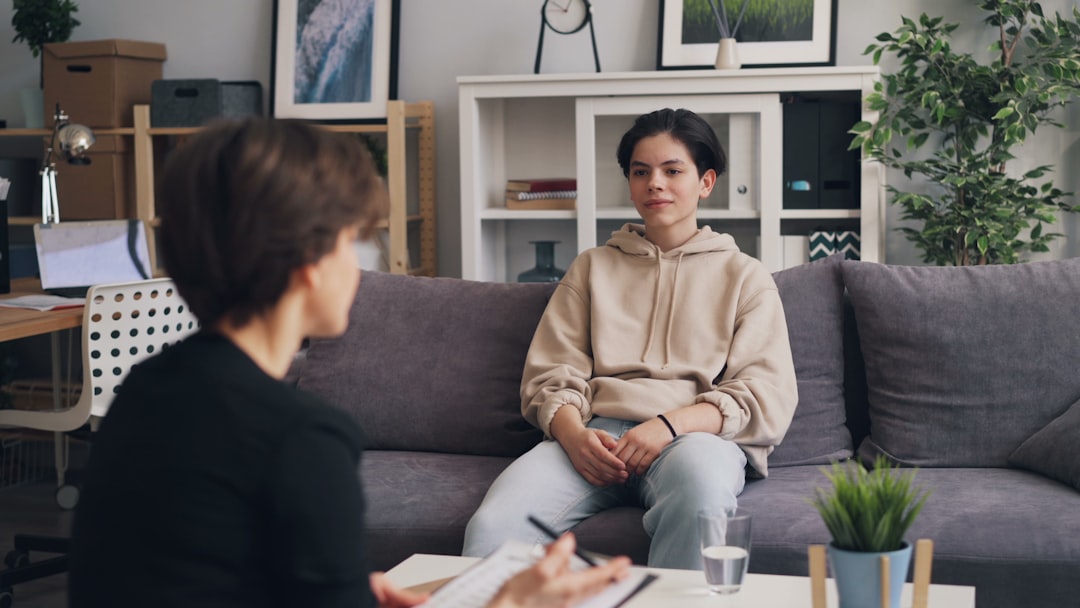
Bilingual Child Psychologists Near Marbella: A Guide for Expat Families

When your child is going through a difficult phase, you want to find someone who truly understands them. If you speak two languages at home, the search becomes more complex: you need bilingual child psychologists in Marbella who understand how a child’s mind manages two languages and two emotional worlds. It’s not enough for the therapist to speak English or Spanish; they must understand what it means to grow up between cultures. In this article we explore bilingual child psychologist Marbella in depth with practical examples.
- A bilingual child psychologist doesn’t just translate words: they interpret emotions in the language the child processes them in.
- Bilingual children sometimes express anxiety or frustration in one language and not the other. The therapist must be attuned to both registers.
- In expat families, psychological support also involves working through migration grief and cultural identity.
- The school environment is influential: a school that reinforces emotional intelligence complements external therapy.
- What “bilingual child psychologist” really means
- How to know if your child needs psychological support
- What to ask at the first consultation
- The role of the school in emotional well-being
- At IMS we don’t offer psychological therapy, but we do offer real emotional support
- How bilingualism influences emotional development
- Frequently Asked Questions
- Key Takeaways
What “bilingual child psychologist” really means
A psychologist who speaks two languages is not the same as a bilingual child psychologist trained in linguistic development. The latter understands that a child may need to express their emotions in Spanish with mum and in English with dad, or vice versa. They know that mixing words between languages (code-switching) is not a disorder, but a cognitive tool. When it comes to bilingual child psychologist Marbella, it pays to listen to what families and lead guides actually report.
In families living on the Costa del Sol, this is especially relevant. Many families in Marbella, Estepona, or San Pedro have relocated from the UK, Germany, or Scandinavia. Children absorb Spanish at school and maintain English (or German) at home. If the therapist only operates in one language, they miss key nuances. Daily practice with bilingual child psychologist Marbella reveals nuances no handbook fully captures.

How to know if your child needs psychological support
Parents sometimes wonder: is it a normal tantrum or something more? Is it shyness or anxiety? These signs may indicate it’s worth consulting with bilingual child psychologists in Marbella : Understanding bilingual child psychologist Marbella from inside the classroom reshapes everyday decisions.
- Drastic changes in behavior lasting more than two weeks.
- Difficulty sleeping, recurrent nightmares, or refusal to go to school.
- Regressions (bedwetting, thumb-sucking) after age 5.
- Difficulty relating to other children or social withdrawal.
- In bilingual children: rejection of one of the languages or inability to express emotions in either.
Observing, noting patterns, and consulting without dramatizing is the best approach. An early assessment prevents small difficulties from becoming major problems. Concrete data on bilingual child psychologist Marbella is worth reviewing before acting on assumptions.

What to ask at the first consultation
The first visit with a bilingual child psychologist is your opportunity to evaluate if there’s a connection. These questions will help you decide:
- Do they have specific experience with children growing up in bilingual or multicultural environments?
- How do they adapt sessions according to the child’s dominant language at any given moment?
- Do they work with the family as a system or only with the child?
- What type of therapy do they use (play, art, cognitive-behavioral)?
- Do they collaborate with the school if necessary?
Don’t be afraid to ask direct questions. A good professional will value your involvement and explain the process without jargon.
Book a personalized school visit to see how we work on emotional intelligence in the classroom.

The role of the school in emotional well-being
External therapy is valuable, but the school environment where your child spends most of their day makes an enormous difference. At IMS Sotogrande, for example, emotional intelligence is part of daily life from age 0. It’s not a subject: it’s the way guides support each child.
In our Nido (0-3 years), the youngest learn to identify basic emotions through play and a secure bond with their guide. In Children’s House (3-6), children practice conflict resolution with words, not shouts. In Taller (6-12), group projects teach them to negotiate, listen, and respect different rhythms.
Families coming from Marbella, Estepona, or Gibraltar tell us that the change in their child is noticeable not just at home: the school becomes a space where the child feels seen. That complements any external therapeutic work.
At IMS we don’t offer psychological therapy, but we do offer real emotional support
Being honest is part of our way of working: at IMS we don’t have child psychologists on staff nor do we offer therapy sessions. If your child needs specific professional support, we recommend seeking bilingual child psychologists in Marbella or in your area with the appropriate training.
What we do is integrate emotional intelligence into every moment of the day. Our guides are trained in Montessori pedagogy accredited by AMI, and they know how to accompany tantrums, fears, and conflicts without punishments or rewards. It’s a respectful approach that many child psychology professionals value when working with our families.
How bilingualism influences emotional development
Research in educational neuroscience shows that bilingual children develop greater cognitive flexibility and empathy. But they may also experience emotional confusion when rules change from one language to another (for example, “at home we speak quietly” vs. “in the playground at school you can shout”).
A bilingual child psychologist understands these dynamics. They work with the child in the language where the emotion is expressed most clearly, without forcing artificial translation. This is key in families where one parent speaks English and the other Spanish, or where the school operates in a third language.
According to the Association Montessori Internationale, respecting the child’s mother tongue is fundamental for their emotional security. A therapist who ignores this may work counterproductively.
Frequently Asked Questions
At what age should I take my child to a child psychologist?
There is no minimum age. If you notice persistent behavioral changes, difficulty sleeping, or relationship problems lasting more than a couple of weeks, consult. Many child psychologists work with children from age 2 through therapeutic play. The earlier a difficulty is detected, the easier it is to address.
Is it better to have a psychologist who speaks only English or only Spanish?
For bilingual families, the ideal is a professional who understands both languages and how they interact in the child’s mind. If they only operate in one, they may miss important emotional nuances. Ask directly if they have experience with bilingual children before scheduling the first appointment.
Can a Montessori school replace child therapy?
No. A Montessori school like IMS offers an environment that reinforces autonomy and emotional intelligence, but it doesn’t replace therapeutic work when there’s a specific need. The ideal is for school and therapist to collaborate if the family deems it necessary. Both complement each other.
How do I find trusted bilingual child psychologists in Marbella?
Ask your school, other expat families, or the pediatrician for recommendations. Verify that the professional has specific training in child psychology (not just “general”). And ensure they understand the bilingual or multicultural context of your family. A trial first consultation will allow you to evaluate if there’s a connection.
Key Takeaways
Choosing among bilingual child psychologists in Marbella requires attention to three things: specific training in child development, understanding bilingualism as an advantage (not a problem), and the ability to connect with your child in their emotional language. Don’t settle for the first one that appears on Google.
Your next step: write down the signs that concern you, make a list of questions, and schedule a no-obligation consultation. If you also want your child’s school to be an ally in their emotional well-being, book a visit to IMS Sotogrande and discover how we work on emotional intelligence every day.









