
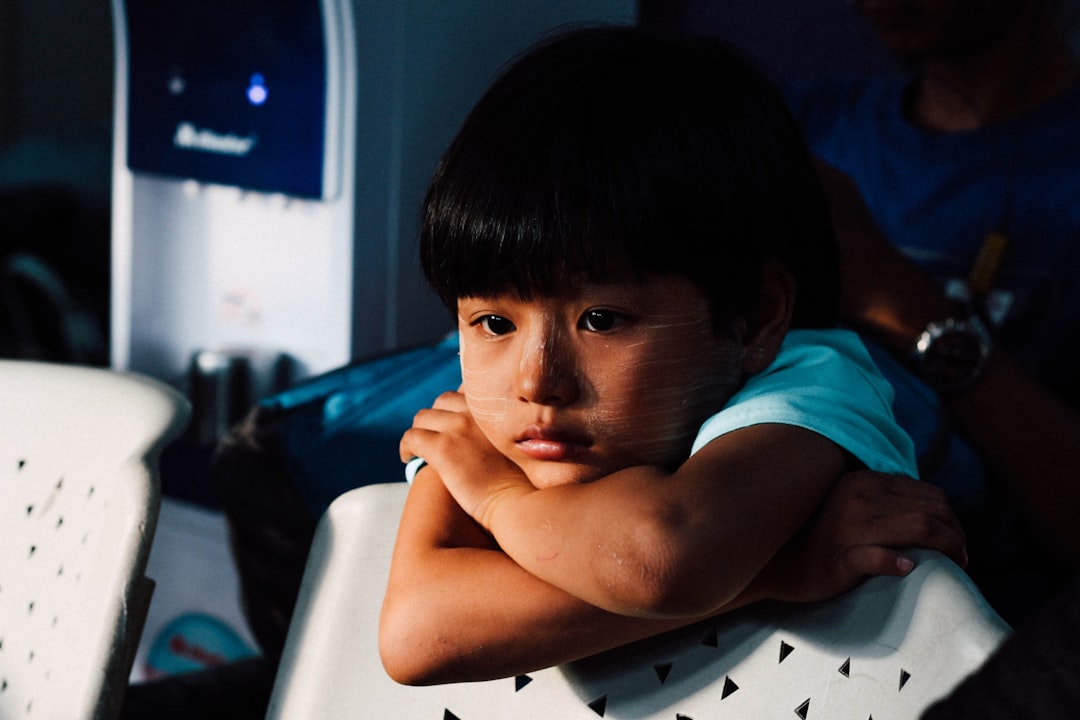
Child Refuses to Go to School in Estepona: Causes & Practical Solutions

When your child refuses to go to school in Estepona every morning, panic sets in. Is it bullying? Do they dislike the teacher? Is something serious wrong? Before jumping to conclusions, you need to understand what’s behind this resistance, because the causes can be very different and each one requires a different response. In this article we explore child refuses school Estepona in depth with practical examples.
- School refusal isn’t a tantrum: it’s usually a sign that something isn’t working in the child’s daily experience.
- Common causes include social difficulties, adjustment problems, unmet needs, or an environment that doesn’t respect their pace.
- Active listening and non-judgmental observation are your best tools before making decisions.
- Not all solutions involve changing schools, but sometimes it is the best option.
Why Would a Child Refuse to Go to School? The Real Causes
Refusal to attend class has emotional roots, not behavioral ones. The child isn’t “misbehaving”: they’re communicating that something is causing them distress. According to the American Academy of Pediatrics, the most common causes include separation anxiety, conflicts with peers, undetected learning difficulties, or a school environment that doesn’t adapt to their needs. When it comes to child refuses school Estepona, it pays to listen to what families and lead guides actually report.
For families living on the Costa del Sol, many of them international, this adds another layer: language change, cultural adjustment, or relocation stress. A child who has just arrived in Estepona from another country might reject school simply because they feel foreign. Daily practice with child refuses school Estepona reveals nuances no handbook fully captures.

Signs to Help You Identify the Problem
It’s not always easy to distinguish between a temporary rough patch and a deeper problem. Watch for these indicators: Understanding child refuses school Estepona from inside the classroom reshapes everyday decisions.
- Physical changes : stomach aches, headaches, or nausea before school that disappear over the weekend.
- Emotional changes : constant irritability, frequent crying, nightmares, or intense fear of the alarm clock.
- Social changes : doesn’t mention friends, avoids talking about school, or makes up excuses not to participate in activities.
- Active resistance : gets dressed extremely slowly, “forgets” their backpack, or flatly refuses to leave the house.
If you notice two or more of these signs for more than two weeks, it’s not a passing whim. Your child is telling you something important. Concrete data on child refuses school Estepona is worth reviewing before acting on assumptions.

What to Do When Your Child Refuses to Go to School in Estepona
Listen Without Interrogating
Direct questions like “what’s wrong?” tend to shut children down. Instead, observe and be present. Phrases like “I see you’ve been sad about going to school these days” open doors without pressure. Give them space to express themselves in their own way: with words, drawings, or symbolic play.
Talk to the School
An honest conversation with the teacher can give you information the child can’t articulate. Ask for concrete examples of how they behave in class, who they interact with, and if there are specific situations causing them tension. A good school will listen to you and seek solutions together.
Review the School Environment
The Montessori method starts from a fundamental premise: the environment must adapt to the child, not the other way around. If your child spends hours sitting listening without being able to move, if the pace doesn’t respect their development, or if they have no autonomy to choose, the resistance is understandable. It’s not “lack of discipline”: it’s a sign that this environment isn’t prepared for them.
Book a personalized school visit and discover how a Montessori environment can change your child’s relationship with learning.

When to Consider Changing Schools
You don’t always need to change schools, but there are situations where it is the best decision. If after talking with the school you see no real changes, if your child continues to suffer every day, or if the environment simply doesn’t fit their way of learning, looking for an alternative isn’t failure: it’s responsibility.
Many families in Estepona choose schools in nearby areas like Sotogrande or San Roque because they’re looking for a different approach. The drive from Estepona to our campus in Sotogrande is about 20 to 25 minutes on the motorway, and many families make this commute daily because the change in their children justifies every kilometer.
At IMS Sotogrande, for example, children work with Montessori materials designed for each stage of development. There are no standardized tests or mandatory homework. Learning stems from their natural curiosity, and guides observe each child to offer them exactly what they need at that moment. This isn’t a slogan: it’s what you see when you walk into our classrooms.
How to Help Your Child Regain Confidence
Beyond school, there are things you can do at home to strengthen their emotional security:
- Goodbye rituals : create a small ceremony each morning. A special hug, a phrase you always say to each other, or an object they carry with them.
- Validate their emotions : saying “It’s nothing” invalidates what they feel. Try “I understand it’s hard, and I’m here”.
- Don’t compare : “Your sister loved going” doesn’t help. Each child has their own pace and reasons.
- Celebrate progress : even the smallest steps. “Today you went in without crying” deserves recognition.
Frequently Asked Questions
Is it normal for my child not to want to go to school some days?
Yes, it’s normal to have days of resistance, especially after holidays or changes in routine. But if the refusal lasts more than two weeks, if it’s accompanied by intense physical or emotional symptoms, or if the child shows great distress, it’s worth investigating what’s happening and talking to the school.
Should I force my child to go to school if they cry every morning?
Forcing them without understanding the cause can worsen the situation. The first step is to listen and observe what’s causing that distress. If it’s a temporary rough patch, supporting with affection and gentle firmness usually works. If the distress persists, seeking professional help and reviewing the school environment is more effective than coercion.
What’s the difference between a whim and a real problem?
A whim is temporary and the child gets distracted quickly. A real problem recurs, is accompanied by physical symptoms (stomach aches, insomnia, appetite changes), and the child shows genuine distress that doesn’t go away with distractions. Watch for consistency and intensity: that’s the key.
We live in Estepona and are thinking about changing schools. What should we consider?
Consider that the school respects your child’s pace, offers a prepared environment where they can move and choose, has an active learning approach, and that communication with families is fluid and honest. If it’s also a bilingual school with recognized accreditations like AMI and NEASC, your child will have an environment designed to grow with autonomy and confidence.
Key Takeaways
When your child refuses to go to school in Estepona, you’re not alone and you’re not doing anything wrong. It’s a signal that deserves attention, but also perspective. The most common causes have solutions, whether by adjusting the environment, improving communication with the school, or looking for an alternative that truly fits your child.
If you believe the current school isn’t meeting your family’s needs, we invite you to visit IMS Sotogrande. Just 20 minutes from Estepona, you can see how a real Montessori environment works and make an informed decision, not one based on fear. Book your appointment here.









