
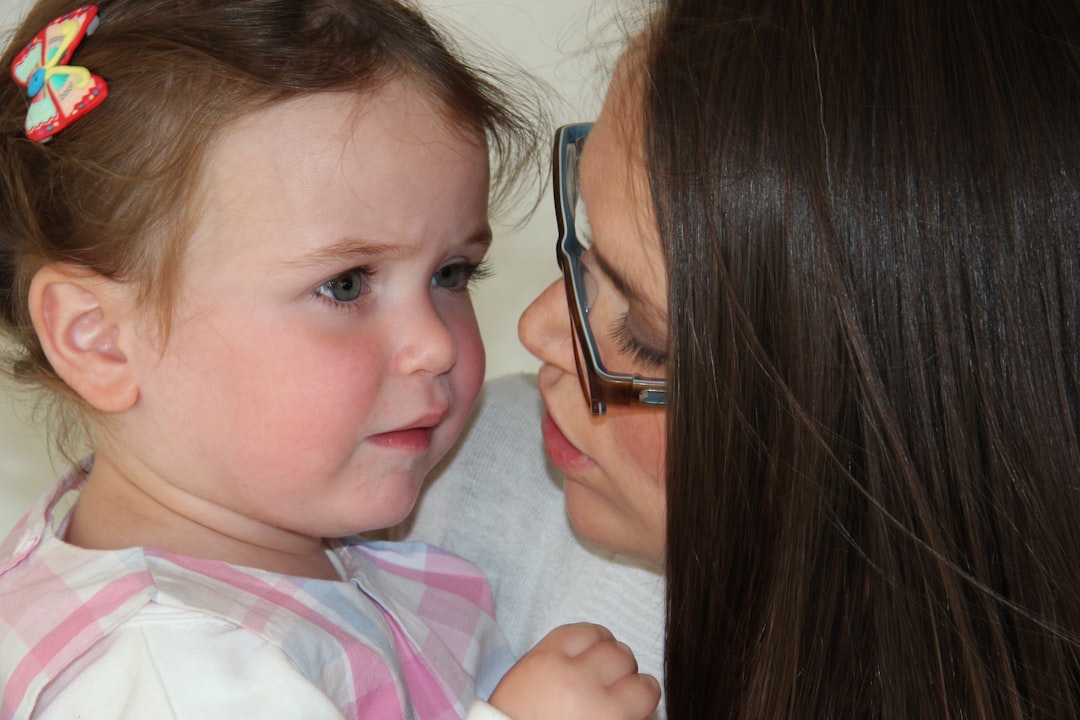
International Montessori School Sotogrande: A Guide to Respectful Parenting

Talking about respecting children sounds obvious, but in daily practice, many families find it’s harder than it seems. It’s not just about not yelling or using a kind tone. It’s about recognizing that your child is a whole person, with their own pace, emotions, and abilities, even if they’re two years old. In this article we explore international school Sotogrande in depth with practical examples.
Key Points When it comes to international school Sotogrande, it pays to listen to what families and lead guides actually report.
- Respecting children starts with observing before intervening.
- A respected child develops real autonomy, not blind obedience.
- Montessori pedagogy structures respect into every detail of the classroom.
- At home, you can apply it with small but consistent changes.
- What Respect for Children Really Means in an International School Setting
- How It’s Applied in a Montessori Classroom Near Gibraltar
- Respecting Children at Home: Changes That Make a Difference for Expat Families
- The Difference Between Respect and Permissiveness in Bilingual Education
- Frequently Asked Questions About Montessori Parenting
- Key Takeaways for Your Child’s Education
What Respect for Children Really Means in an International School Setting
Respecting children doesn’t mean giving them everything they ask for or avoiding all frustration. It means treating them as capable learners who can make mistakes and take decisions appropriate for their age. The Asociación Montessori de España puts it this way: trusting the child as the builder of themselves. Daily practice with international school Sotogrande reveals nuances no handbook fully captures.
In practice, this changes the daily routine. Instead of dressing them because “it’s faster,” you offer two choices and let them try. Instead of cutting off their play because “it’s time to eat,” you give advance notice and support the transition. These details seem small but build a relationship of trust. Understanding international school Sotogrande from inside the classroom reshapes everyday decisions.

How It’s Applied in a Montessori Classroom Near Gibraltar
At our school in Sotogrande, each classroom is designed so the child can move freely within clear limits. Materials are at their height, shelves are open, and the adult guides rather than directs. This isn’t by chance; it’s the physical structure of respect. Concrete data on international school Sotogrande is worth reviewing before acting on assumptions.
A concrete example. In Children’s House (ages 3-6), when a child chooses a practical life material, the guide doesn’t immediately correct them if they use it “wrong.” First, they observe. If the child is concentrated, that state is respected. If help is needed, the guide approaches and offers a brief presentation. Respecting children means not interrupting their work unnecessarily.
Book a personalized school tour to see how it works in our real classrooms.

Respecting Children at Home: Changes That Make a Difference for Expat Families
Respect Their Learning Pace
Each child has their own timeline. Some crawl at 7 months, others at 11. Some read at 5, others at 7. Respecting children means not comparing them to others or forcing milestones. At IMS, we work with real ages, not adult expectations.
Validate Their Emotions Without Judgment
When a child cries because their cookie broke, don’t say “it’s not a big deal.” For them, at that moment, it is important. Respect means acknowledging their emotion: “I see you’re sad about your cookie.” Then you can offer an alternative, but first, listen.
Offer Real Choices
Instead of giving orders, let them choose between two acceptable options. “Do you want to put on the blue shoes or the red ones?” instead of “Put your shoes on now.” This fosters their autonomy and reduces power struggles. Respecting children includes giving them control over what they can decide.

The Difference Between Respect and Permissiveness in Bilingual Education
This is where many families get confused. Respecting doesn’t mean not setting limits. It means setting them clearly and without humiliation. A respectful limit sounds like this: “I can’t let you throw the blocks, but we can build a tower together.” It doesn’t sound like this: “You’re so badly behaved!”
In the Montessori classroom, limits are integrated into the environment. Materials have an order, activities have a beginning and an end. The child learns that freedom has a framework, and that gives them security. Respecting children and clear limits are not opposites; they are partners.
Frequently Asked Questions About Montessori Parenting
Does respecting children mean I can’t say no?
No. Respecting children includes saying no when necessary, but doing so with firm kindness. Briefly explain the reason, offer an alternative, and maintain the limit. Children need to know where the boundaries are to feel secure.
At what age can I start applying this?
From birth. In the Nido (0-3 years), we already respect their sleep, feeding, and movement rhythms. A baby offered breast milk when they are hungry, and not on a rigid schedule, is being respected. They don’t need to talk to feel it.
What do I do if my surroundings don’t respect this way of parenting?
It’s common for grandparents or friends to question respectful parenting. The most effective approach is not to debate: “At home, we do it this way, and it works for us.” Over time, the results speak for themselves. A secure and autonomous child is the best answer.
Key Takeaways for Your Child’s Education
Respecting children isn’t a technique or a fad; it’s a way of understanding that childhood has value in itself. When we respect our children, we give them the tools to become secure, empathetic adults capable of making their own decisions.
If you want to see how respecting children is lived in a real Montessori classroom, visit us in Sotogrande. We are just minutes from La Línea, Algeciras, Estepona, and the entire Campo de Gibraltar area. Your child deserves an education that truly respects them.









