
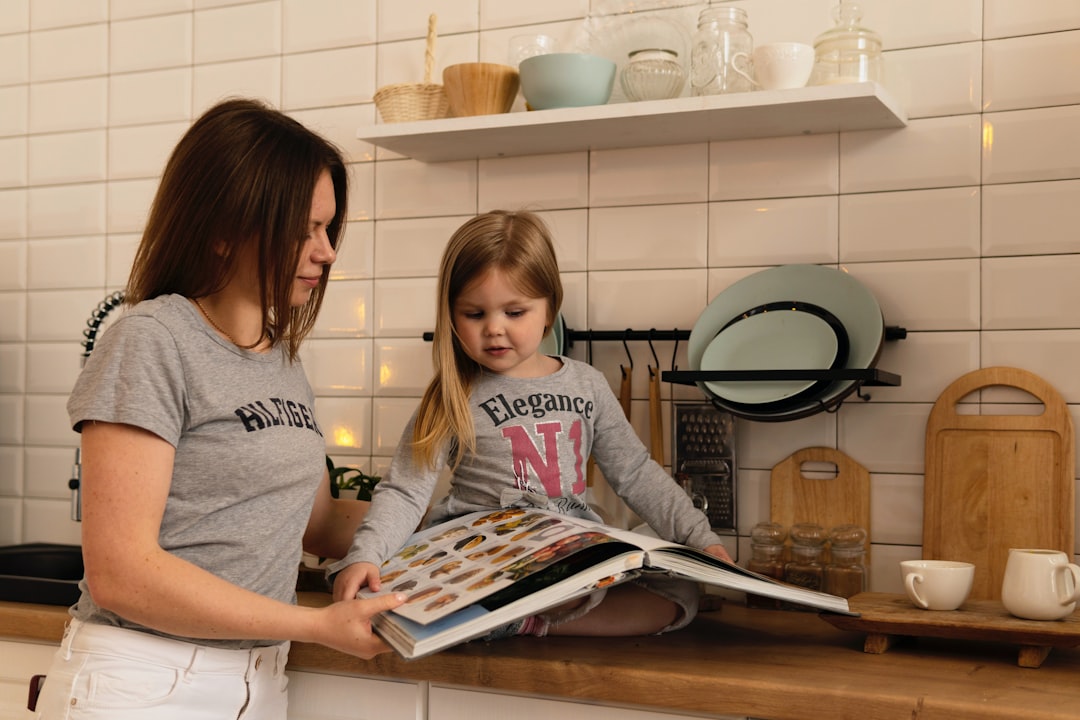
Montessori Parenting: How to Teach Responsibility at Home for Expat Families

Responsibility isn’t taught through lectures. It’s built step by step, starting with the simplest routines, when a child truly participates in daily life. In Montessori education, we understand that every household chore is an opportunity for a child to grow in autonomy and commitment. In this article we explore Montessori parenting in depth with practical examples.
- Responsibility is learned by doing, not by listening to theories.
- Age-appropriate chores are the foundation of development.
- A prepared environment at home fosters cooperation without force.
- Families in Sotogrande and the Campo de Gibraltar find IMS a trusted partner in building these habits.
What responsibility truly means for a child
A responsible child isn’t the one who obeys without thinking. It’s the one who understands their role within the family and acts with intention. In Montessori, we call this “help me to do it myself.” The child wants to contribute, and our job is to make the path easier. When it comes to Montessori parenting, it pays to listen to what families and lead guides actually report.
Research from the American Academy of Pediatrics confirms that children who participate in household chores from age three develop better social and academic skills. It’s not an extra—it’s an evolutionary need. Daily practice with Montessori parenting reveals nuances no handbook fully captures.

Montessori keys for fostering responsibility at home
At IMS, we work with families across the Campo de Gibraltar and Costa del Sol who seek consistency between the classroom and home. These are the strategies that work best: Understanding Montessori parenting from inside the classroom reshapes everyday decisions.
Prepared environment: less is more
A coat rack at their height, a drawer for their shoes, a shelf with accessible materials. When the environment invites action, the child does it without being asked. Responsibility flourishes when there are no physical or emotional obstacles. Concrete data on Montessori parenting is worth reviewing before acting on assumptions.
Real tasks, not toy imitations
Give them a real dust cloth, not a plastic one. Let them set the table with real dishes (melamine at first). At IMS, children in the Nido class from 18 months water plants and tidy their materials. That confidence transfers home.
Visible and predictable routines
A chart with pictures of morning tasks (getting dressed, having breakfast, putting away their plate) helps the child anticipate and take on their part. It’s not control—it’s a map that provides security.
Book a personalized school visit to see how our guides support this process in the classroom.

Concrete examples by age
From 0 to 3 years: sensory responsibility
At this age, responsibility is experienced through the body. Putting a toy back in its basket, carrying their plate to the counter (with supervision), dipping a sponge and wiping their tray. These are small acts that build identity: “I can.”
From 3 to 6 years: the golden age of imitation
In Casa de Niños, children sweep, water plants, set the table, and care for plants. At home, you can suggest they prepare their snack (cutting fruit with a safe knife), feed a pet, or fold their clothes. Responsibility here now includes a sequence of steps.
From 6 to 12 years: projects and real contribution
In Taller, children plan excursions, cook for the group, and manage materials. At home, they can take charge of a complete weekly task: grocery shopping with a list, preparing a simple dish, or tending the garden. Responsibility becomes service.

Common mistakes that block responsibility
Doing for the child what they can do for themselves. Correcting every step out loud. Not giving enough time. At IMS, we see how well-intentioned families, out of love, rob learning opportunities. The mistake isn’t the enemy—it’s the silent teacher.
Another common failure: using responsibility as punishment (“because you didn’t tidy up, no park”). That turns it into a burden, not a value. Better to focus on contribution: “Thank you for helping me. Now the kitchen is ready for dinner.”
The role of the Montessori school in developing responsibility
At IMS Sotogrande, every classroom is designed for children to exercise their autonomy with real materials and respected rhythms. Our AMI guides accompany without directing, offering choices within clear limits. This isn’t chance—it’s the foundation of Montessori pedagogy.
Families from Algeciras, La Línea, Estepona, and Gibraltar who choose us seek consistency. They want the responsibility experienced in the classroom to transfer seamlessly home. That’s why we offer parent workshops like “Acompañando-té” and “La familia en tribu,” where we share practical tools.
Frequently asked questions
At what age can a child start being responsible?
From the moment they walk and follow simple instructions (12–18 months). It’s not about complex tasks, but micro-actions: putting an object away, carrying their plate, turning off a light. Responsibility is a skill built through repeated practice, not chronological age.
What if my child refuses to help?
Don’t force. Observe if the task is appropriate for their developmental level. Offer two concrete choices: “Do you prefer to sweep or mop?” If they still resist, do it yourself without reproach. Imitation and the desire to belong will do the rest over time.
Does children’s responsibility relate to school grades?
Indirectly, yes. A child who manages their materials, follows routines, and completes tasks at home develops executive functions (planning, working memory, self-control) that directly impact academic performance. Responsibility isn’t just order—it’s a cognitive tool.
Key takeaways
Responsibility in childhood isn’t an isolated goal—it’s the fruit of a respectful environment, real tasks, and adults who trust in the child’s capability. At IMS Sotogrande, we see every day how 3-year-olds care for plants and 12-year-olds organize community projects. The change starts at home, with a cloth and a smile.
If you’d like to see how we do it in the classroom, we invite you to visit us. Book your appointment at ims-sotogrande.com/admisiones or call us at +34 653 04 17 39. Your child deserves to grow feeling capable.









