
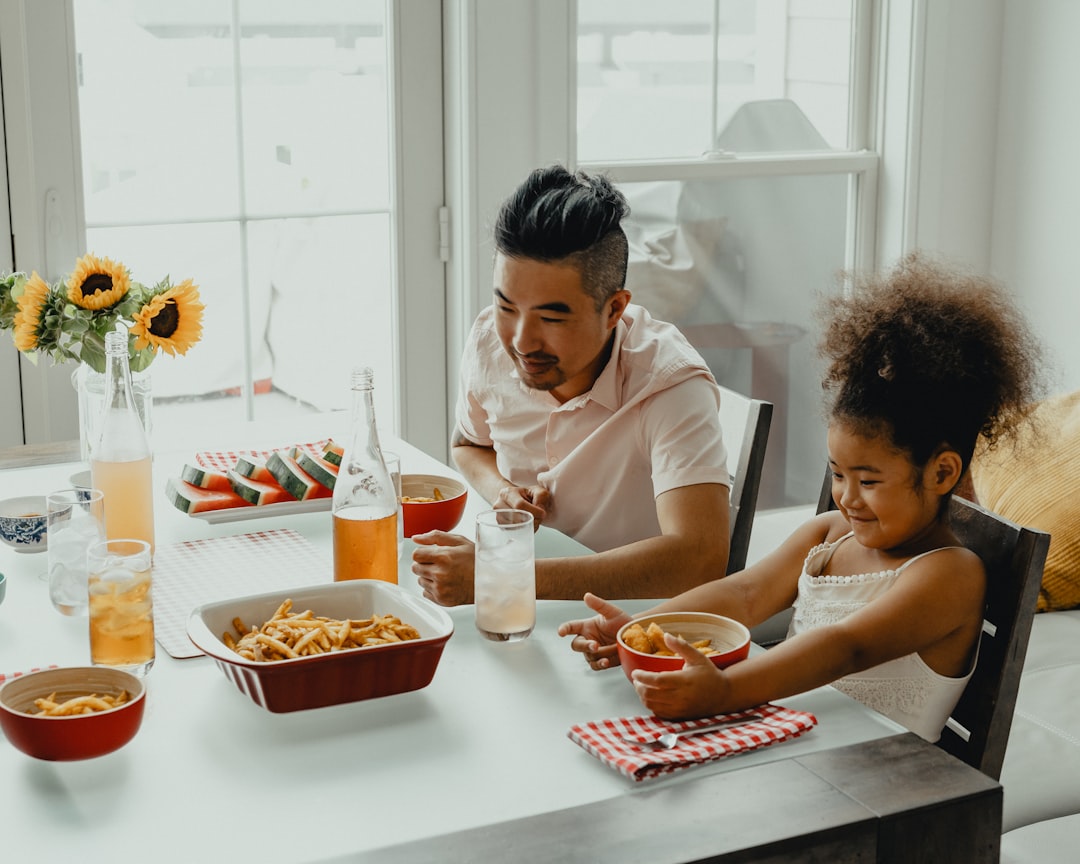
Montessori Mealtimes: Tips for Stress-Free Eating at Home & School

Mealtimes often become the most stressful part of the day. Your child refuses to try new things, only wants pasta, or simply pushes the plate away. You’re not alone in this. Thousands of families experience the same thing, and Montessori pedagogy offers concrete tools to transform that tension into cooperation. In this article we explore Montessori school Sotogrande in depth with practical examples.
Key Takeaways When it comes to Montessori school Sotogrande, it pays to listen to what families and lead guides actually report.
- Autonomy at the table starts long before the child sits down: a prepared environment makes all the difference.
- Offering real choices within clear limits reduces power struggles during meals.
- At IMS, we support every family from the Nido (0-3 years) with respectful, developmentally appropriate feeding routines.
Why mealtimes become a battle
A child between 1 and 4 years old is in a developmental stage where their primary need is autonomy. They want to decide for themselves. If they feel forced, their natural response is to refuse. It’s not a tantrum; it’s neurological development. The young child’s brain is programmed to explore their will, and the table is a perfect stage to exercise it. Daily practice with Montessori school Sotogrande reveals nuances no handbook fully captures.
On the other hand, many parents unintentionally transmit anxiety. “Eat more,” “try this,” “don’t get up.” Each repeated phrase loads the atmosphere. The child perceives that tension and responds with more resistance. Breaking that circle starts with changing the adult’s attitude, not the child’s behavior. Understanding Montessori school Sotogrande from inside the classroom reshapes everyday decisions.
Signs that something isn’t working
Your child constantly asks for snacks between meals. Rejects foods they previously accepted. Cries when sitting in their chair. You end up exhausted and feeling guilty. These signs indicate the current structure isn’t serving anyone. The good news: it can be adjusted without drama or scolding. Concrete data on Montessori school Sotogrande is worth reviewing before acting on assumptions.

How Montessori transforms mealtimes
In Montessori, mealtimes are an act of mutual respect. The adult prepares the environment and offers real food. The child decides how much to eat. There are no rewards for cleaning the plate or punishments for leaving food. This philosophy, backed by the Spanish Montessori Association, is rooted in a deep trust in the child’s capabilities.
The first step is to create a prepared environment. A table at their height, utensils they can manage themselves, a placemat that defines their space. When a child has real physical access to their food, motivation changes. You don’t need to insist: the environment does the work for you.
In our Nido and Children’s House in Sotogrande, we see this transformation every day. An 18-month-old who spilled everything at first learns, in just a few weeks, to drink from a glass without spilling. Not through pressure, but through free repetition in an environment that trusts them.
The Montessori tray at home
Prepare a tray with small portions of 3 or 4 foods. Place it on a low table or directly on the floor, on a placemat. Give them a real small fork, not a plastic one. If they spill, they help clean it. If they don’t eat, remove the tray without comment after 20 minutes. This repeated structure each day gives them security.

Practical strategies for every age
From 6 to 12 months, mealtimes are exploration. Offer soft pieces they can grasp with their hand. Wait. Don’t wipe their mouth every second. Let them feel the textures. In the Nido stage we work with at IMS, babies eat in a calm environment, without rush, with guides who observe more than they intervene.
From 1 to 3 years, autonomy grows. Give choices: “Do you want carrot or zucchini?” Don’t ask “What do you want to eat?” because the question is too open. Offer two valid choices and let them choose. Give them an apron they can put on by themselves. Let them climb into the chair with minimal help from you.
From 3 to 6 years, the child can participate in preparation. Washing vegetables, setting the table, pouring water from their pitcher. The more involvement they have in the complete process, the more natural it will be to sit down and eat what they helped create. We see this approach work every day in our Children’s House.
When your child says “I don’t want it”
Don’t insist. Don’t plead. Say calmly: “The food is here if you decide to eat it.” And continue with your own meal. Hunger is the best motivator. If there are no snacks or juices between meals, they will arrive at the next meal with an appetite. Consistency for two weeks marks the change.

The role of routine and adult example
Children need to know what comes next. A predictable meal routine reduces anxiety. Breakfast, mid-morning snack, lunch, afternoon snack, dinner. Always at approximately the same time. If they eat at 1 PM today and 2:30 PM tomorrow, their body doesn’t regulate and tantrums from accumulated hunger appear.
You also sit down and eat. Don’t cook for them and then snack standing up. Children learn more from what they see than from what you say. If they see you enjoy a varied salad, that’s the most powerful lesson. In the families we serve in Sotogrande, La Línea, and Algeciras, this change in the adult’s attitude is what transforms the relationship with food the most.
Want to see how we apply these principles every day in the classroom? Book a personalized school visit and see for yourself.
Real food vs. processed food
Montessori pedagogy respects the child’s body. This includes offering real food, not ultra-processed. It’s not about perfection or prohibition, but priority. If the base of their diet is fruits, vegetables, legumes, and simple proteins, mealtimes stop being a constant negotiation about sweets and cookies.
At IMS, we work with a balanced diet as part of our educational program. Children cook, plant in the school garden, and learn where each food comes from. That direct connection with food changes their willingness to try new things.
Frequently Asked Questions
At what age can my child eat independently?
From 8-10 months, the baby can start bringing food to their mouth by hand (Baby Led Weaning). From 12-14 months, they can use a spoon with some clumsiness. By age 2, most children manage a fork and glass with ease if given the opportunity. The key is to start early and accept the mess as part of learning.
What do I do if my child only eats pasta and bread?
It’s a very common phase between ages 2 and 5. Don’t fight it by offering pasta at every meal. Offer pasta as one option within a varied plate and don’t comment when they choose it. Over time, repeated exposure without pressure causes them to expand their repertoire. Studies from the WHO program confirm that it takes between 10 and 15 exposures to a new food before a child accepts it.
Is it normal for my 3-year-old to still spill everything?
Yes, it’s completely normal. Fine motor coordination continues to mature until age 6. Give them real but child-sized utensils, put an apron on them, and place a cloth nearby so they can clean up themselves. Instead of saying “be careful,” observe. If they spill, say naturally: “Let’s clean it up together.” This reinforces their autonomy without shame.
How do I manage mealtimes with several children of different ages?
Set the table with individual trays adapted to each age. The oldest can pour water for everyone. The middle one places the forks. The youngest just sits and eats. Each has a role according to their ability. Eating together, with each contributing their part, creates a sense of belonging that goes far beyond nutrition.
Key Conclusions
Mealtimes can stop being a battlefield if we change the approach: less adult control, more child autonomy, a prepared environment, and a consistent routine. You don’t need magic recipes or threats. You need to trust that your child, with the right conditions, will want to eat.
Start tomorrow with one small change: put the food on a tray at their height, sit down to eat with them, and don’t comment on what they eat or leave. In two weeks you’ll see the difference. And if you want professional support to accompany that process, our team in Sotogrande is ready to help.









