
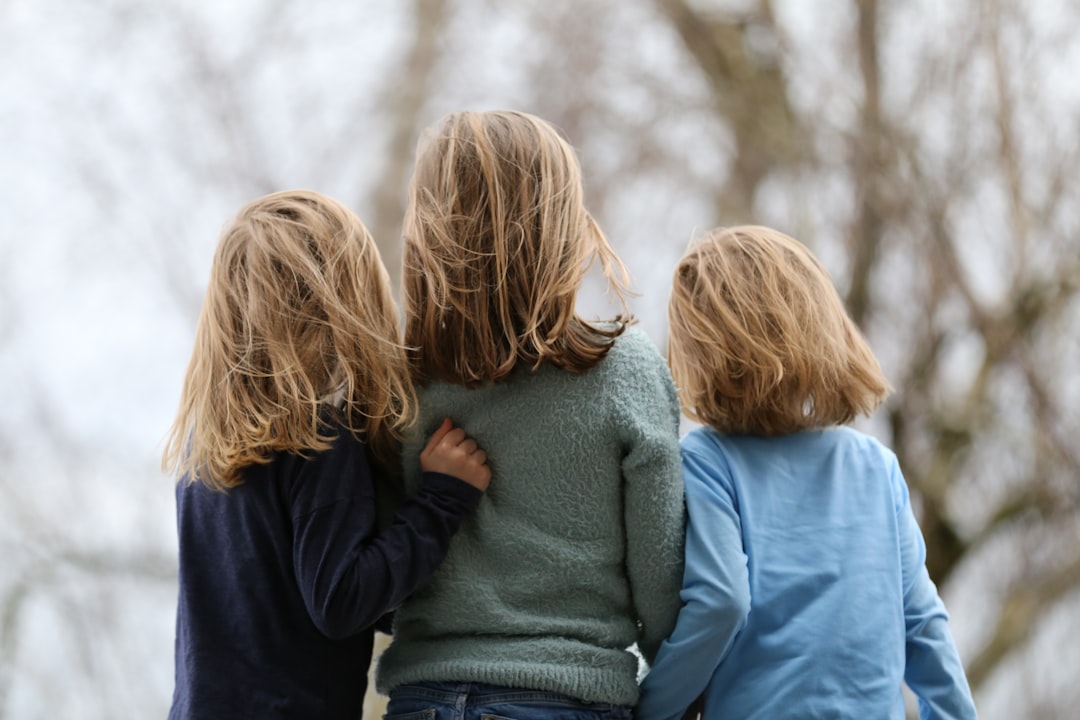
Montessori Strategies for Sibling Rivalry: How to Help Your Children at Home

When your second child was born, did you expect your older one to welcome them with joy? The reality is often more complex. Sibling rivalry appears in almost all families with more than one child and, far from being a problem, it’s a sign your child is processing a huge change in their world. The key isn’t to eliminate it, but to support them with tools that work at home. In this article we explore sibling rivalry montessori in depth with practical examples.
- Rivalry is a normal developmental emotion, not a behavior to be corrected with punishment.
- The jealous child isn’t trying to be difficult: they’re asking, with the resources they have, for you to keep seeing them.
- Montessori strategies are based on observation, respecting the child’s rhythm, and fostering autonomy.
- Between ages 2 and 6, sibling rivalry often intensifies due to the need for belonging.
- Small daily changes (5 minutes of mindful attention, validating emotions) reduce rivalry sustainably.
Why Does Sibling Rivalry Happen?
Sibling rivalry stems from a real fear: losing the love or attention of their primary figures. For a young child, their parents’ emotional resources are limited (at least, that’s how they perceive it). When a sibling arrives or the distribution of attention changes, their emotional system interprets it as something being reduced. It’s not a tantrum or manipulation: it’s basic neuroscience. When it comes to sibling rivalry montessori, it pays to listen to what families and lead guides actually report.
Child development studies show that between 18 months and 6 years, a child’s brain is building their identity. Comparing themselves to a sibling is part of that process. If the older child sees the younger one getting more time because “they’re smaller and need more,” they may feel their own place has been shaken. Daily practice with sibling rivalry montessori reveals nuances no handbook fully captures.
Factors That Intensify Childhood Rivalry
- An age gap of less than 3 years: the older child hasn’t yet consolidated their autonomy.
- Routine changes (new school, moving house, separation) coinciding with a sibling’s arrival.
- Comparative phrases like “your brother eats so well” or “look how calm your sister is.”
- A lack of individual time with each child: it doesn’t need to be long, but it must be real and distraction-free.
Book a personalized school visit and discover how we nurture emotional intelligence from the early years. Understanding sibling rivalry montessori from inside the classroom reshapes everyday decisions.

Signs of Sibling Rivalry by Age
Rivalry doesn’t manifest the same way at age 2 as it does at 8. Identifying the pattern by age will help you respond more appropriately, without overreacting or minimizing what they feel. Concrete data on sibling rivalry montessori is worth reviewing before acting on assumptions.
Babies and Children 0 to 3 Years
At this age, rivalry is expressed physically: more crying, regressions (wanting a bottle or diaper again after having progressed), increased clinginess, and difficulty sleeping. The child doesn’t have the words to say “I’m scared of losing your attention,” so they show it through behaviors that sometimes frustrate us.
In the IMS Montessori Infant Community (Nido), we observe that children arriving with a sibling at home especially need a space where they feel seen without competition. The prepared environment and the 1-on-1 relationship with the guide offer them the security they seek at home.
Children 3 to 6 Years
Between ages 3 and 6, phrases like “I don’t want them to come” or “this sibling ruins everything” appear. Also regressive behaviors, more intense tantrums, or subtle aggression towards the younger one (pushing, taking toys “just because”). It’s not malice: it’s an emotion that doesn’t yet have regulation tools.
In our Children’s House, we work on empathy through community life. Children learn to wait their turn, help younger classmates, and express what they feel with concrete vocabulary. These are skills they transfer to home.
Between Ages 6 and 12
Sibling rivalry in school-age children becomes subtler. There are no more open tantrums, but there are hurtful comments, deliberate exclusion, or constant competition over who is “better” at something. At this age, comparison with a sibling can affect self-esteem if not managed carefully.

5 Montessori Strategies to Support Sibling Rivalry
Maria Montessori observed that a child who feels competent and valued in their environment rarely resorts to destructive behaviors. These five strategies are based on that philosophy and work from day one.
1. Validate Before Solving
When your child says “I hate them,” don’t respond with “we don’t say that.” Instead: “You’re angry because you feel I’m not listening to you. Is that right?” Naming the emotion without judging it gives them tools to manage it. John Gottman’s research on childhood emotional intelligence confirms that children who receive validation develop greater self-regulation capacity.
2. Real Individual Time, Even If Brief
You don’t need a whole afternoon. Ten minutes daily of mindful attention (no phone, no sibling nearby, no multitasking) with each child changes the dynamic. Let them choose the activity. Ask them something specific about their day. That time is their emotional insurance against sibling rivalry.
3. Avoid Comparisons, Even “Positive” Ones
“Your sister can already read, but you’re very good with your hands” sounds like a compliment, but it’s still a comparison. At IMS, we discuss this in our “Parenting Tea” workshops with families: each child has their own path and their own rhythm. The Montessori phrase that works: “You’re learning to read at your pace, and that’s great.”
4. Roles and Responsibilities, Not Hierarchies
“You’re the older one, you have to set an example” is a burden that breeds resentment. Instead, “Would you like to help me prepare a snack for both of us?” invites collaboration without imposing a role. In the Montessori Taller 6-12 environment, each child contributes according to their ability, not their age.
5. Personal and Shared Spaces
Having a space that is “just theirs” (even if it’s a shelf or a drawer) reduces the feeling of invasion. And having shared spaces with clear rules (turns, agreements) teaches negotiation. The preparation of the environment in Montessori is based exactly on this: that each child has their place and also their contribution to the collective.

Common Mistakes That Worsen Sibling Rivalry
Unintentionally, many families reinforce sibling rivalry with dynamics that seem logical but don’t help. Reviewing this list will allow you to adjust what you do today.
- Asking the older child to “understand” because they’re bigger: emotional maturity isn’t linked to chronological age.
- Always separating them when they fight instead of teaching them to resolve the conflict.
- Ignoring the younger child’s subtle aggression toward the older one (“they’re just little, they don’t know”).
- Using food, screens, or rewards as a distraction from rivalry instead of addressing the emotion.
- Telling jokes about their jealousy in front of them: for the child, it’s not funny, it’s their real pain.
Sibling Harmony: Creating Family Agreements
Montessori proposes the family meeting as a practical tool. Once a week, sit down together (even the little ones can participate with drawings) and talk about what went well and what was difficult. Establish 2-3 simple agreements: “When someone is playing with something, we ask before taking it” or “If someone feels sad, we ask what they need.”
At IMS, Taller children practice conflict mediation as part of their daily life. They take these tools home and into their relationships with siblings and friends. Sibling harmony is built day by day, with patience and with concrete tools.
Frequently Asked Questions
Is sibling rivalry normal or should I worry?
Sibling rivalry is completely normal and part of emotional development. Almost 80% of children with siblings experience it at some point. You should only consult a professional if the rivalry is accompanied by constant aggression, marked regressions that don’t subside, or significant changes in sleep or eating for more than a month.
How do I handle jealousy when the sibling is a newborn?
Involve the older child in caring for the baby with simple tasks: choosing clothes, singing a song, helping to prepare the bath. Give them at least 15 minutes of exclusive daily attention without the baby present. And never force them to kiss or hug the sibling: let the bond build at its own pace.
What do I do if my child says they don’t love their sibling?
Don’t correct their emotion. Respond: “I understand that right now you feel you don’t love your sibling. Can you tell me what happened?” Usually, behind that statement is a specific incident (they took a toy, they received a compliment they wanted). Work on the specific incident, not the global statement.
Does sibling rivalry disappear with age?
It doesn’t disappear on its own, but it transforms. With communication tools and a secure bond with parents, rivalry becomes a more mature relationship. Siblings who learned to manage conflicts in childhood often have stronger bonds in adolescence and adult life.
Key Takeaways
Sibling rivalry isn’t a failure on your part or your children’s: it’s an opportunity to teach them to manage complex emotions from a young age. Montessori strategies (validating, dedicating real time, avoiding comparisons) don’t require radical changes, just consistency and presence.
Start today with a concrete gesture: this afternoon, dedicate 10 minutes to each child separately. Notice what changes in their behavior this week. And if you want to go deeper, at IMS we support families in the Campo de Gibraltar and Costa del Sol with this and other parenting questions. We’re here to help.









