
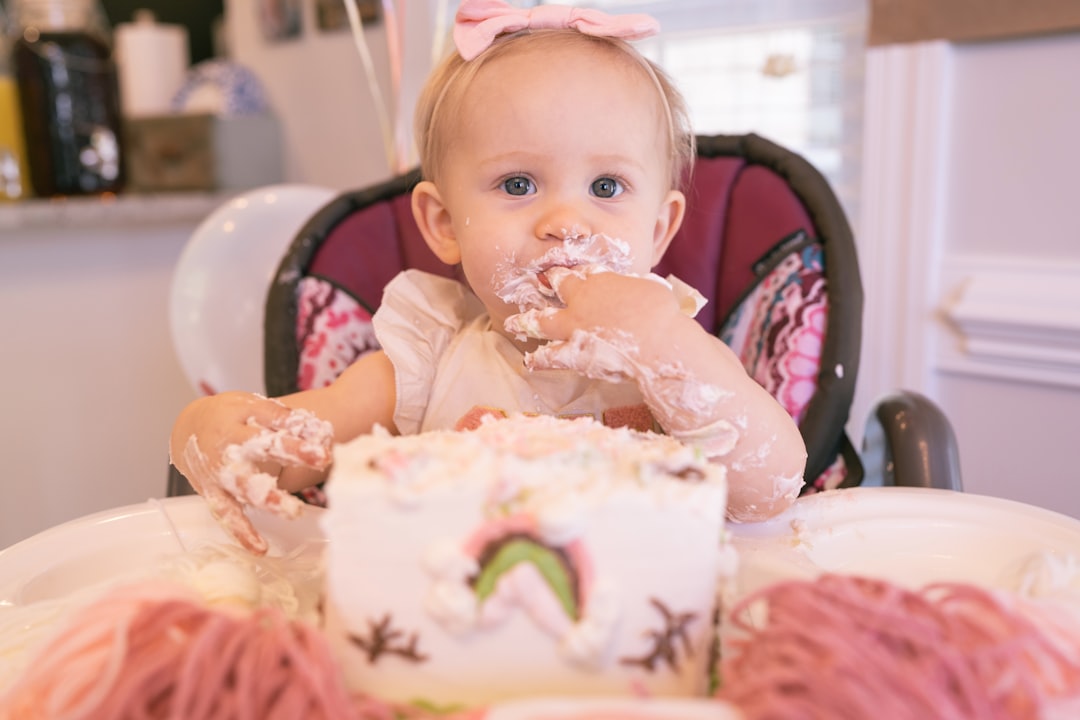
Introducing Solids to Your Baby: A Stress-Free Guide for Expats in Sotogrande & Costa del Sol

Seeing your baby reach for your plate isn’t just adorable—it’s a signal. Introducing solids (or complementary feeding) is that moment when breastmilk or formula is no longer the sole source of nutrition, beginning a journey of flavors and textures that will shape their relationship with food forever. In this article we explore introducing solids baby in depth with practical examples.
At IMS, we support many families in Sotogrande, La Línea, Algeciras, and across the Costa del Sol through this process. We know questions abound, so we’ve prepared this jargon-free guide to help you start with confidence. When it comes to introducing solids baby, it pays to listen to what families and lead guides actually report.
Key Points on Introducing Solids to Your Baby
- The WHO recommends starting solids at around 6 months, when your baby shows signs of readiness.
- The BLW (Baby-Led Weaning) method and purées aren’t mutually exclusive: you can combine both based on your child’s needs.
- Milk remains the primary source of nutrition until age one. Solid food complements, it doesn’t replace, milk feeds.
- In a Montessori environment, a child eats in an adapted chair, with real utensils, and at their own pace, which fosters independence from the start.

When to Start Introducing Solids
Age is just a guideline. Your baby will tell you when they’re ready if you watch for three key signs: they can hold their head up unsupported, sit with little or no support, and show genuine interest in what you’re eating by opening their mouth or leaning toward food. Daily practice with introducing solids baby reveals nuances no handbook fully captures.
These motor skills ensure they can swallow safely. Starting before 4 months increases the risk of choking and allergies. If your child is under 6 months and doesn’t show these signs, there’s no rush. Understanding introducing solids baby from inside the classroom reshapes everyday decisions.
In the IMS Nido (infant community), we work on hand-eye-mouth coordination from the earliest months with sensory activities—a natural preparation for the day food arrives at the table. Concrete data on introducing solids baby is worth reviewing before acting on assumptions.
Signs Your Baby Isn’t Ready Yet
If your baby pushes food out with their tongue (tongue-thrust reflex), shows no interest in your food, or cannot sit stably, it’s best to wait a few weeks. Forcing the process only creates frustration for everyone.

How to Offer First Foods
The principle is simple: you offer, you don’t force. You decide what, when, and where your child eats. The child decides whether to eat and how much. This division of responsibility—which in Montessori we call respect for the child’s autonomy—prevents power struggles from day one.
Start with one new food every 2-3 days to identify potential intolerances. Offer soft, fist-sized sticks (BLW method) or smooth purées, based on your and your baby’s comfort. There is no single right path.
Some families prefer to start with steamed vegetable sticks (sweet potato, zucchini, broccoli). Others opt for single-ingredient purées. What matters is that the experience is positive, unrushed, and screen-free.
Recommended Foods for the First Months
Between 6 and 8 months, we offer iron-rich foods, as a baby’s stores deplete: well-cooked red meat strips, small amounts of liver, mashed legumes, or egg yolks. After that, almost anything the family eats can be adapted: soft fruits, cooked vegetables, boneless fish, full-fat dairy like natural yogurt.
Avoid honey until age one due to the risk of botulism. Reduce added salt and sugar. Ultra-processed foods offer nothing a young child needs.
“At IMS, your child will grow feeling heard, valued, and secure, ready to transform the world with their own voice.” — Olimpia Tardá, founder of IMS.

The Role of the Prepared Environment at the Table
Maria Montessori insisted the environment is the third teacher. This includes the table. A high chair that allows the child to eat at family height, a ceramic plate (not plastic), a small real glass, and a spoon adapted to their hand change the entire experience.
In our Children’s House, we eat together with a tablecloth, real dishes, and enough time. Three-year-olds pour water from a pitcher, put on their bibs, and clean their space. This isn’t magic; it’s daily practice from 18 months in an environment designed for it.
At home, you can start with the same. A suction plate, a small 50ml open cup, and infinite patience. Spills are learning, not accidents.
Book a personalized visit to the school to see how we foster independence at the table with our youngest students.
Common Mistakes When Starting Solids
The most frequent: insisting. If your baby closes their mouth, turns their head, or pushes the spoon away, respect it. Offer again at another meal without drama. Children need up to 15 exposures to a food before accepting it, according to the Spanish Association of Pediatrics.
Another mistake: confusing hunger with boredom. Don’t use food as a reward or punishment. At IMS, we teach families to read their child’s cues without projecting our anxieties onto their plate.
The third: offering only soft textures for too long. From 8-9 months, babies need to chew foods with more texture to develop their orofacial muscles. A piece of toast, a ripe banana spear, or a melon chunk are excellent allies.
Frequently Asked Questions
Can I use BLW and purées at the same time?
Yes, the combination works very well. Many families offer purée on a spoon for main meals and soft finger foods for the baby to practice fine motor skills. There’s no incompatibility; what matters is that the child touches, explores, and decides.
What if my baby rejects everything?
First, breathe. Initial rejection is normal and doesn’t mean they’ll never eat that food. Keep offering without pressure, eat in front of them, and make mealtimes pleasant. If rejection persists for more than two weeks and the child loses weight, consult your pediatrician.
Is it necessary to introduce gluten before age one?
Current evidence, published by ESPGHAN (European Society for Paediatric Gastroenterology), indicates there’s no benefit to introducing gluten before 6 months nor risk in doing it later. Include it naturally when your baby eats varied cereals, with no rush.
How much milk does my baby still need when starting solids?
Until 12 months, milk (breast or formula) remains the primary source of calories and nutrients. It’s called complementary feeding for a reason: it complements. Between 6 and 9 months, most babies take 500-700 ml of milk per day in addition to solids. After a year, the amount decreases naturally.
Key Takeaways
Introducing solids doesn’t have to be stressful. If your baby shows the signs, is over 6 months, and you feel ready, the best time is now. Start with one food, in a calm environment, without rush or rigid expectations.
At IMS, we support families from the Nido (0-3 years) with practical workshops on nutrition and parenting. If you live in Sotogrande, Algeciras, La Línea, or any town in the Campo de Gibraltar area and are looking for a school that respects your child’s natural pace, contact us or book a visit. We’d be delighted to meet you.









