
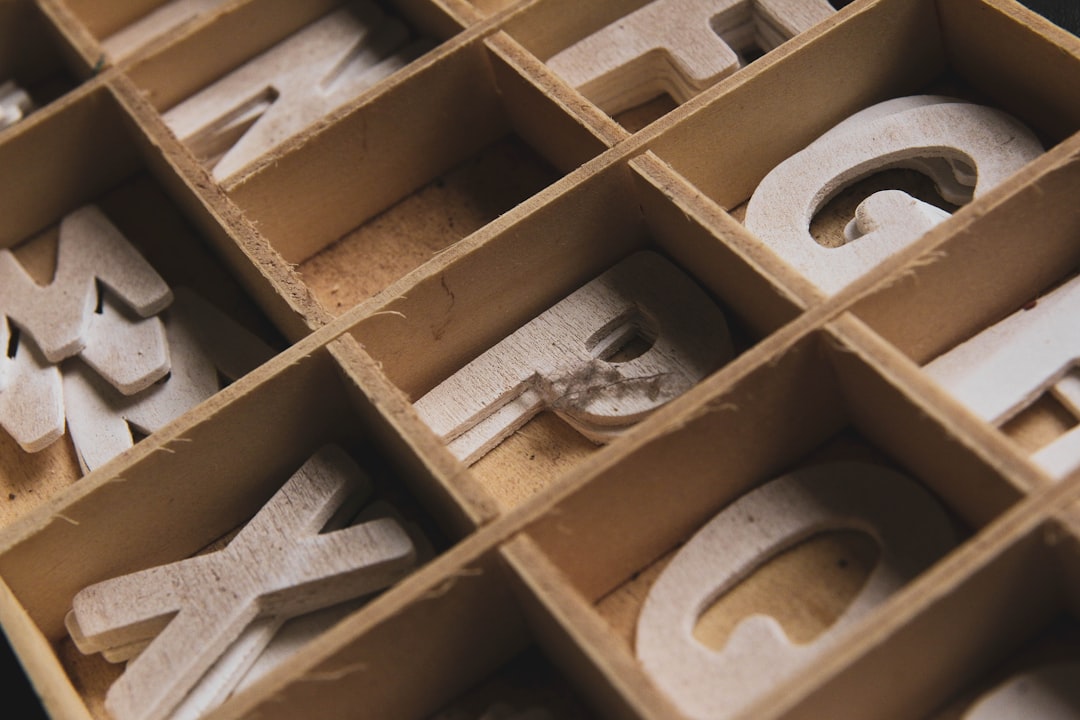
Montessori Education Explained: What It Is & How to Apply It at Home

If you’ve heard about Montessori education and wonder if it’s more than just pretty shelves and children playing quietly, you’re in the right place. This pedagogy, created by Maria Montessori over a century ago, is based on a powerful idea: the child has an innate capacity to learn if we offer the right environment and respect.
- Montessori education respects each child’s individual rhythm without imposing a one-size-fits-all schedule.
- It prioritizes autonomy: the child chooses their work within clear limits.
- The adult is a guide, not the protagonist of learning.
- Concrete sensory materials precede abstraction.
- It works from 0 to 18 years, adapting to each stage of development.
What does Montessori education actually say?
Montessori education starts from a scientific observation of the child. Maria Montessori, an Italian physician, discovered that children go through sensitive periods when they are especially receptive to learning specific skills: language, order, movement, writing. Respecting these moments, instead of forcing content, produces deep and lasting learning.
It’s not about letting the child do whatever they want. It’s about offering a prepared environment where they can choose from valid options, work for as long as they need, and repeat until they feel mastery. Freedom has clear limits: not interrupting others, taking care of materials, and returning them to their place.

The four pillars of Montessori education
1. The child as an active builder
The child is not a passive recipient of knowledge. Montessori education considers them a competent being who builds their intelligence through direct experience. That’s why materials are manipulable and sensory: the child touches, compares, orders, and discovers for themselves before reaching the abstract concept.
2. The prepared environment
The classroom (or home) is organized so the child can act independently. Open shelves at their height, complete and orderly materials, real-sized furniture. If a three-year-old can pour their own water, their self-esteem grows. That daily repeated autonomy is the foundation of confidence.
3. The adult as a guide
In Montessori education, the teacher doesn’t give a lecture. They observe, present the material when the child is ready, and step back. At home it works the same way: instead of telling them how to tidy up, you show them once and let them try. Mistakes are self-corrected because the materials have a built-in control of error.
4. Sensitive periods
Between 0 and 6 years, children go through phases of special sensitivity toward language, order, fine motor skills, and social life. If we offer the right stimulus at that moment, learning occurs with natural ease. If we delay it, it’s twice as hard.
For families looking for an international school where these pillars are lived every day, book a personalized visit and discover how we work at IMS Sotogrande.

How to apply Montessori education at home today
You don’t need to buy a whole classroom. Start with the basics:
- Reduce toys : offer 6-8 options on open shelves and rotate weekly.
- Get down to their level : low coat rack, mirror at their height, step stool in the kitchen so they can participate.
- Give them time : don’t dress them if they can try. Those 10 extra minutes in the morning are an investment, not a loss.
- Name what they do : “You’re pouring water without spilling” validates their effort better than a generic “well done”.
- Respect their concentration : if they’re absorbed in building, don’t interrupt to give them a kiss. Observation is the best gift you can give them.
Montessori education doesn’t demand perfection. It demands consistency. If most of the time you offer respect and autonomy, children respond.

From what age does it work?
From birth. In the Nido (0-3 years) Montessori education translates to free movement, predictable routines, and respectful language. In Children’s House (3-6) sensory materials and practical life appear. In Workshop (6-12) the child investigates the world with collaborative projects and abstract materials. Each stage has its own materials and rhythm, but the principle is the same: trust the child.
At IMS Sotogrande, we have accompanied families from the Campo de Gibraltar and the Costa del Sol for over two decades. Our team of certified AMI guides works every day to ensure Montessori education isn’t just a slogan, but a living practice in every classroom.
Frequently asked questions
Is Montessori education suitable for children with special needs?
Yes, Montessori education adapts well to diversity because it respects the individual rhythm. Each child works with the material they need, without comparisons or group pressure. At IMS we also have the Rainbow classroom, specialized in diversity attention.
Does Montessori mean the child does whatever they want?
No. Freedom in Montessori education is always accompanied by clear limits: not interrupting, taking care of materials, and respecting others. The child chooses from options that the adult has previously prepared.
Can Montessori be applied only at home or is a school necessary?
You can start at home with simple changes, but an accredited Montessori school offers specific materials, trained guides, and a group of children that reinforces social learning. The ideal is to combine both environments.
Are Montessori and bilingualism compatible?
Totally. Montessori education favors language immersion because the child learns languages naturally, just as they learn their mother tongue: by listening, using, and experiencing. At IMS we offer dual Spanish-English immersion from the Nido.
Key takeaways
Montessori education isn’t a passing trend. It’s an approach backed by over a century of practice and current educational neuroscience. Its principles can be started today at home, without waiting for your child to enter a specialized international school near Sotogrande.
If you want to see how Montessori education is lived in a real environment, with certified materials and AMI guides, book your visit to IMS Sotogrande. We are just minutes from La Línea, Algeciras, Estepona, and the entire Costa del Sol.









