
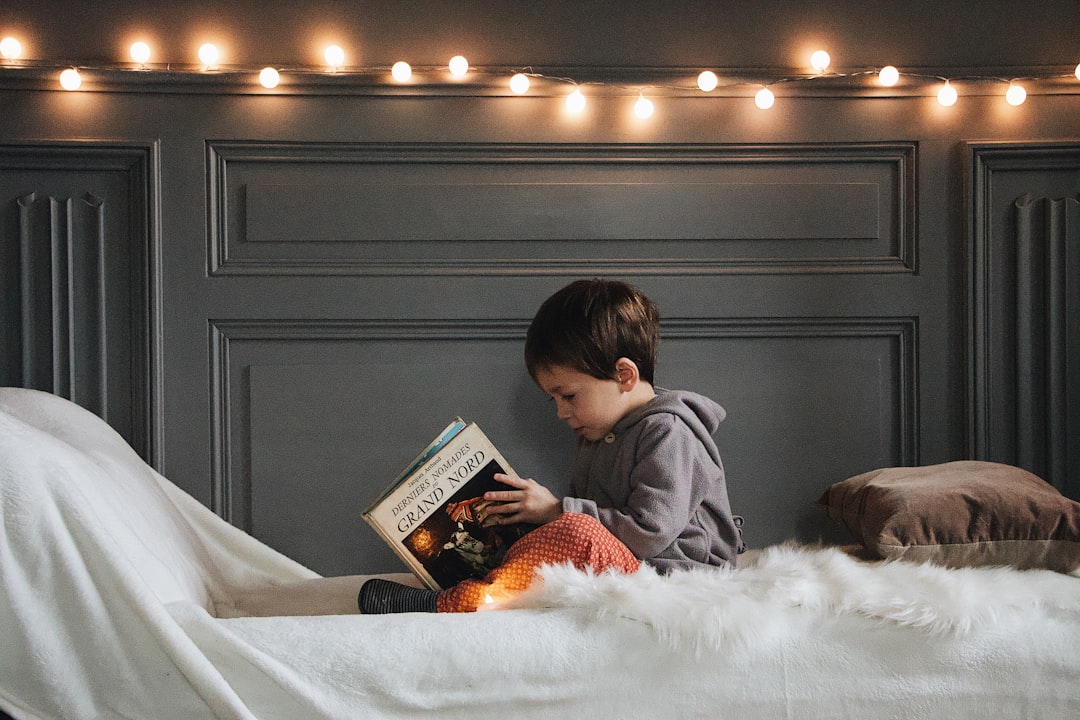
What to Do If Your Child Is Being Bullied: Montessori Guide for Families in Sotogrande
In short
There is nothing more heartbreaking for a parent than hearing your child say, “I don’t want to go to school. When that phrase repeats and your child shows distress, the inevitable question is what to do if your child is being bullied.
![Qué hacer si mi hijo sufre acoso escolar [Método Montessori]](https://ims-sotogrande.com/wp-content/uploads/2026/06/post-298-img-1-1780582944363-1352628e.jpg)
There is nothing more heartbreaking for a parent than hearing your child say, “I don’t want to go to school.” When that phrase repeats and your child shows distress, the inevitable question is what to do if your child is being bullied. At International Montessori School Sotogrande, we work every day to create an environment where respect and trust prevent such situations, and we want to share a practical and honest guide with you. In this article we explore bullying at school in depth with practical examples.
Bullying is not just playground teasing. It affects one in three children in Spain according to data from Save the Children. Knowing how to react can be the difference between a deep wound and a scar that teaches. So, let’s go step by step on how to act, how the Montessori method protects your child, and what resources are near you. When it comes to bullying at school, it pays to listen to what families and lead guides actually report.
What to Do If Your Child Is Being Bullied: Immediate Steps
Your first instinct may be fear or anger, but your child needs a calm response. Staying calm is the foundation. Take a deep breath, listen without interrupting, and validate their emotions: phrases like “tell me more” or “I’m sorry this happened to you” build trust. Never blame them or downplay it. Daily practice with bullying at school reveals nuances no handbook fully captures.
Then, document everything. Note dates, places, names, witnesses. At school, request a meeting with the teacher or principal to present the facts objectively. It’s not about confrontation but partnership: the school has a legal obligation to activate an anti-bullying protocol. Demand a concrete plan and follow-up. Understanding bullying at school from inside the classroom reshapes everyday decisions.
If you observe serious signs, insomnia, loss of appetite, self-harm, seek external psychological help. A professional can equip your child with coping tools and restore self-esteem. Remember: asking for help is not weak, it’s brave. Concrete data on bullying at school is worth reviewing before acting on assumptions.

Signs Your Child Might Be Experiencing Bullying
Children don’t always verbalize the problem. Sometimes the body speaks for them. These are the most common red flags:
- Sudden refusal to go to school, frequent stomachaches or headaches at leaving time.
- Broken or missing school supplies, torn clothes, or unexplained bruises.
- Sudden mood swings: irritability, sadness, withdrawal, or angry outbursts at home.
- Sleep or eating problems, regressions (bedwetting, thumb-sucking).
- Social isolation: stops talking about friends, rejects invitations, prefers to be alone.
A single symptom doesn’t confirm bullying, but two or three sustained over time are a reason to investigate. Also observe at school pickup, talk to other families, and above all, trust your parental intuition.
Why the Montessori Method Reduces Bullying Risk
Maria Montessori believed that peace is built from childhood. Her pedagogy not only teaches math or language: it educates in deep respect for oneself, others, and the environment. In a Montessori setting, the likelihood of your child experiencing bullying drops dramatically, and here’s why.
First, IMS classrooms mix ages (3-6, 6-9, 9-12). Older children become natural mentors, and younger ones learn to trust them. A mutual care network forms where everyone feels seen and valued. There’s no fierce competition: each child progresses at their own pace with materials that respect their dignity.
Additionally, from the Children’s House, we practice “grace and courtesy lessons”: how to ask for help, how to interrupt respectfully, how to resolve a conflict with words instead of pushes. The guide acts as observer and mediator, never as a punishing judge. This daily coexistence weaves a safe community.
At IMS we have a Rainbow Classroom, dedicated to children with special educational needs. Diversity is celebrated, not pointed out. Students learn to live with difference from age 3, which vaccinates against exclusion and bullying.
Book a personalized tour of our school in Sotogrande and see for yourself how this atmosphere of respect feels.
Montessori Tools for Addressing What to Do If Your Child Is Being Bullied
Although prevention is a great ally, no community is perfect. If a serious conflict arises, Montessori offers concrete tools you can apply at home too.
- The peace rose: a simple object (a fake flower, a stone) that gives the speaker the floor. Whoever holds it expresses their feelings without interruption. The other listens actively, repeats what they heard, then offers their version. Together they seek a win-win solution.
- Community meetings: in the Taller (6-12 years), each week children sit in a circle to discuss what works and what doesn’t. Thanks, proposals, and conflicts are managed with respect and adult guidance. It’s a safe space for the victim to feel supported and the aggressor to learn empathy.
- Emotional role-playing: The guide uses cards or hypothetical situations for children to practice how to react to teasing, how to ask for help, or how to set assertive boundaries. The muscle of emotional intelligence is trained just like reading.
If your child attends a non-Montessori school, you can adapt these ideas at home. Play the “what would you do if…” game and teach clear phrases: “I don’t like when you say that, stop.” Boost their self-esteem by reminding them of their talents daily. And seek activities that restore confidence: at IMS, for example, Aikido as an extracurricular teaches non-violent self-defense, channeling energy and building self-confidence.
Resources and Support in Campo de Gibraltar
If your family lives in Sotogrande, Alcaidesa, San Roque, or any nearby town, you are not alone. The IMS educational community extends beyond school hours. Our team of guides, led by Viviane Dumont as Head of Studies, supports families with listening and guidance. We do not have our own psychology service, but we can refer you to trusted professionals in the area.
Many families from La Línea, Algeciras, or Estepona choose our school precisely for the protective environment we described. Even if you have to drive the A-7 highway, it’s worth it when you see your child happy and calm at the end of the day. And if you live in Gibraltar or Marbella, the commute is feasible and gives you access to the only trilingual Montessori school with AMI and NEASC accreditation in the region.
Additionally, the ANAR Foundation helpline (900 20 20 10) offers free, confidential help 24/7. Use it if you need quick guidance. And remember that in June our MIMS Kids Summer Camp in Sotogrande gives children a bilingual, fun space to strengthen bonds and self-esteem in summer.
Frequently Asked Questions
What to do if my child is being bullied?
Listen, validate, and document. Then go to the school to activate the protocol. If you need support, contact our team in Sotogrande: [email protected] or call us at 653 04 17 39.
How do I talk to the school if my child is being bullied?
Request a meeting with the teacher or principal. Bring a written record of incidents. Avoid accusations and aim to build a joint plan. At IMS, communication flows weekly through Growappy and Friday reports, making early detection easier.
Is the Montessori method effective against bullying?
Yes. Numerous studies, such as those by Dr. Angeline Lillard, show that Montessori children score higher in social skills and peaceful conflict resolution. Mixed-age classrooms and grace and courtesy lessons create a culture of respect that disarms violence before it appears.
Should I change my child’s school if they are being bullied?
It’s not the first option, but if the school doesn’t act or the damage is severe, a change to a prepared Montessori environment can be the best medicine. Many families in Campo de Gibraltar have made that move and seen their children flourish again.
How can I strengthen my child at home against bullying?
In addition to the Montessori tools described, Aikido (which we offer as an extracurricular at IMS) helps build confidence without promoting aggression. At home, avoid judgment, celebrate their achievements, and maintain routines that provide security.









