
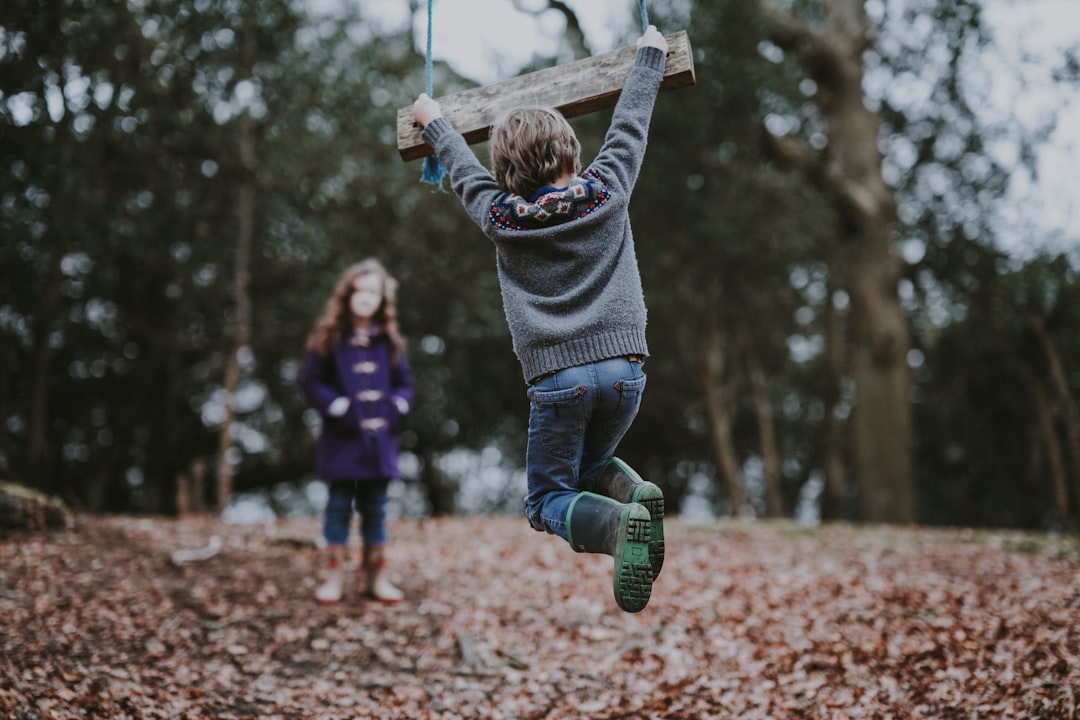
Shy Child? Montessori Tips for Parents: Help Your Child Thrive | International School Costa del Sol
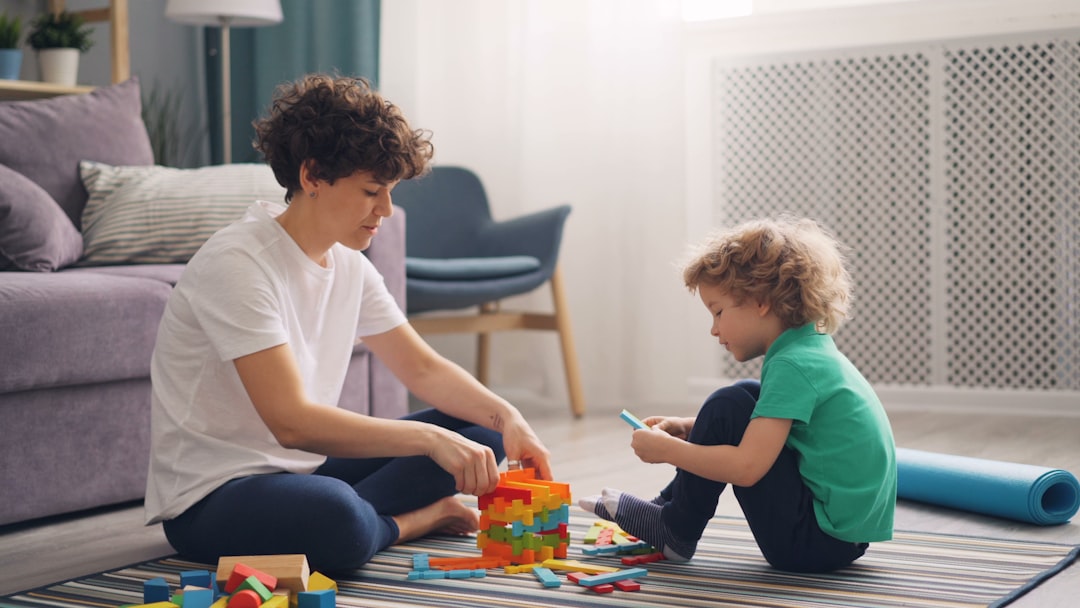
Is your child shy? Do they avoid speaking in groups or hide when we greet someone? As parents, it hurts to see them struggle to connect, but the Montessori approach offers a different perspective: far from forcing, it proposes accompanying their temperament with deep respect. Shyness is not a defect to correct; it is a way of being that needs a safe environment to unfold. At our international Montessori school in Sotogrande, Costa del Sol, we see many children blossom when given time and space.
- Shy Child? What Montessori Says About Shyness
- How Montessori Helps Shy Children: A Real Story from Our Classroom
- Montessori Strategies at Home for a Shy Child
- The Adult’s Role: Neither Rescue Nor Push
- Socializing in a Montessori Classroom: Growing Without Force
- Key Takeaways
- Frequently Asked Questions
Shy Child? What Montessori Says About Shyness
Maria Montessori observed that each child carries a unique developmental plan. Shyness does not appear in her writings as a problem, but as a manifestation of the sensitive period for order and the need for security. A child who withdraws from the new is protecting their integrity. Forcing them to greet or participate creates the opposite effect: more inhibition.
Instead of labels, Montessori invites us to read what the child communicates through their behavior. Behind a “doesn’t want to play with others” may simply lie “I need time to observe.” The prepared environment, with its calm rhythm, is the best ally for a shy child to gain confidence little by little.
How Montessori Helps Shy Children: A Real Story from Our Classroom
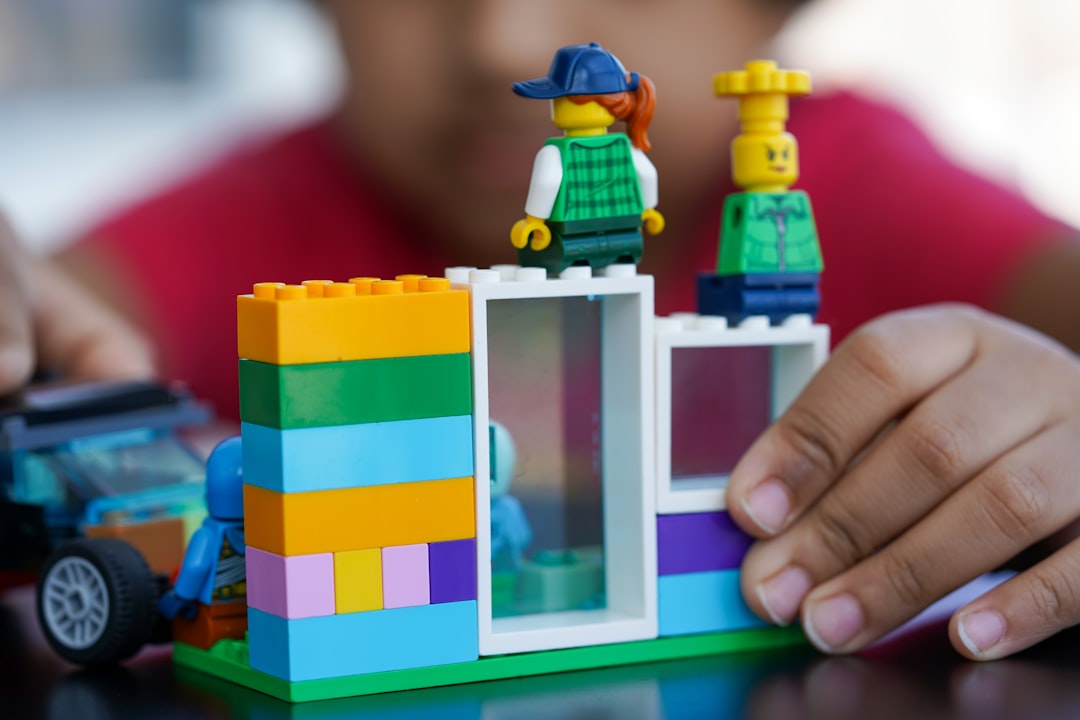
In our school, every morning a child who arrived hiding behind their mother’s leg would spend the first twenty minutes observing. No one forced them to join. The guide offered a concrete material near their observation spot. After several days, they approached on their own—first to look, then to touch. The achievement was their own.
This process is called normalization in Montessori: the child reaches a state of deep concentration that calms them. A unhurried environment, with adults who respect their pace, is key. That’s why the prepared environment of our classrooms offers freedom of movement, sequenced materials, and a predictable emotional climate. Here shyness dissolves because the child controls when and how to participate.
Book a personalized school visit and see how a Montessori environment can be the safe haven your child needs.

Montessori Strategies at Home for a Shy Child
Families often ask what to do at home. The key is to remove pressure and offer subtle support. It’s not about training social skills, but building a trusting bond that allows exploration. Here are some practical ideas:
- Prepare encounters: if guests are coming, show photos beforehand and explain who they are. The child can wave from a distance, without words.
- Create a safe space at home: a corner with cushions, books, and a favorite material to retreat to when feeling overwhelmed.
- Model without demanding: we greet naturally without turning to them expecting the same. Over time, they will imitate.
- Validate their emotions: “I see you need time. When you’re ready, I’ll be here.” Messages that don’t judge and build self-esteem.
- Avoid comparisons: never say “look how well your brother does it.” Each child has their own social clock.

The Adult’s Role: Neither Rescue Nor Push
In Montessori, the adult is an active observer. When your child is shy, instinct says intervene: answer for them, excuse them, encourage them forcefully. But these shortcuts send a message of “you can’t do it alone.” The alternative is to trust and offer gradual opportunities for independence.
For example, invite them to participate in daily tasks with a close adult: clear the table, water plants, fold small clothes. These practical life activities require no words and strengthen their sense of competence. Little by little, even greeting a neighbor becomes a personal choice, not an obligation.
Socializing in a Montessori Classroom: Growing Without Force
One of the great advantages of the Montessori classroom is mixed ages. Younger children observe older ones, and the latter learn patience. For a shy child, this multi-age environment is a gift: no competition, no constant comparison. They can integrate at their own pace, first in pairs, then in small groups.
Moreover, individual material presentations—instead of group lessons—avoid the public exposure they fear. The guide shows a new work to them alone, in a quiet moment, and then they decide when to repeat it. This builds genuine security, not a mask of extroversion.
Key Takeaways
Shyness in childhood is a developmental stage, not an alarm. The Montessori method does not seek to change it, but to honor it and provide the necessary scaffolding for the child to feel capable. The next time you think “my child is shy,” remember their pace is wise: they only need time, a prepared environment, and adults who trust them unconditionally.
If you’d like to know how we support each child from their uniqueness at IMS Sotogrande , book a visit or email us at [email protected]. We would be happy to show you our educational project, accredited by AMI and NEASC, and how we cultivate emotional security in a unique trilingual environment in Campo de Gibraltar.
Frequently Asked Questions
Should I worry if my child is very shy?
No, shyness is a temperament trait, not a disorder. Only worry if it prevents them from enjoying activities they desire, and even then, intervention should always be respectful. Montessori teaches us to observe without judgment and trust natural development.
Does a shy child become more sociable in a Montessori school?
Usually yes, but not because they are trained, but because the environment offers safety to explore relationships. Freedom of movement, voluntary collaborative activities, and absence of competitive pressure allow social skills to emerge authentically.
What if my child won’t leave my side at the park?
Don’t forcibly separate. Sit next to them, observe other children together, comment positively on the surroundings. Offering a toy to share can be a bridge. But if they don’t want to, respect their decision. Confidence builds step by step, not by pushing.









