
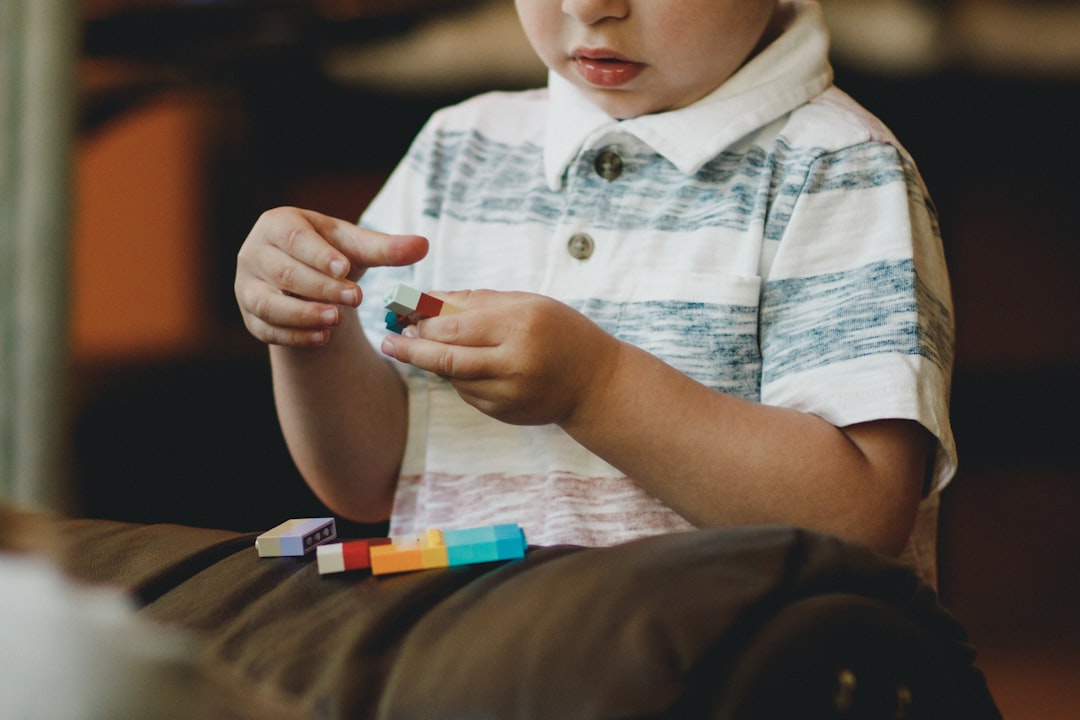
Montessori vs Reggio Emilia: A Complete Guide for Expat Families in Sotogrande & Costa del Sol
In short
Montessori vs Reggio Emilia. Two names that come up in any conversation about alternative education, but often get confused. If you're exploring schools for your child in the Campo de Gibraltar area, you've likely encountered both. And for good reason: Montessori and Reggio Emilia share a deep respect for the child, but diverge in their paths.
![Diferencia entre Montessori y Reggio Emilia [Guía para Familias]](https://ims-sotogrande.com/wp-content/uploads/2026/06/post-276-img-1-1780518003661-be8e963f.jpg)
Montessori vs Reggio Emilia. Two names that come up in any conversation about alternative education, but often get confused. If you’re exploring schools for your child in the Campo de Gibraltar area, you’ve likely encountered both. And for good reason: Montessori and Reggio Emilia share a deep respect for the child, but diverge in their paths.
From International Montessori School Sotogrande (IMS) the first Montessori school accredited by the Association Montessori Internationale (AMI) and NEASC in the area, we see families arrive full of questions every day. The truth is, there is no universally “better” approach, only one that fits your child and family better. When it comes to Montessori vs Reggio Emilia, it pays to listen to what families and lead guides actually report.
Let’s shed light on the differences between Montessori and Reggio Emilia without jargon, so you can make an informed decision. Daily practice with Montessori vs Reggio Emilia reveals nuances no handbook fully captures.
What is Montessori Education?
Maria Montessori (1870-1952), Italy’s first female doctor, developed a scientific method based on child observation. Her premise: the child is the constructor of themselves, and the adult should prepare the environment, not direct it. Understanding Montessori vs Reggio Emilia from inside the classroom reshapes everyday decisions.
At IMS Sotogrande, we follow the developmental planes she defined. The sensitive periods, windows of opportunity for language, order, movement, guide classroom preparation. Concrete data on Montessori vs Reggio Emilia is worth reviewing before acting on assumptions.
Key features of the Montessori environment:
- Prepared environment: low shelves, manipulative wooden materials, order and beauty.
- Active child: freely chooses their work and concentrates for long periods.
- Montessori guide: observes, models, and connects the child to the activity. No lectures.
- Education for peace and autonomy.
- Mixed-age groups (3-6, 6-9, 9-12) that foster collaboration.
A key fact: AMI-recognized Montessori schools, like ours, must certify rigorous material and training standards. Not anyone can hang the plaque.

What is Reggio Emilia?
Reggio Emilia is a philosophy, not a closed method. It emerged after World War II in the Italian city of Reggio Emilia, led by educator Loris Malaguzzi. Families wanted schools where children learned to think for themselves. The result is an approach that sees the child as competent, with a hundred languages to express themselves.
Principles that define Reggio Emilia:
- The child as protagonist with creative and communicative potential.
- The environment as the third teacher, aesthetically rich and provocative.
- Emergent project work: educators document and propose activities based on group interests.
- Pedagogical documentation as a tool to make learning visible.
- Intense family and community involvement.
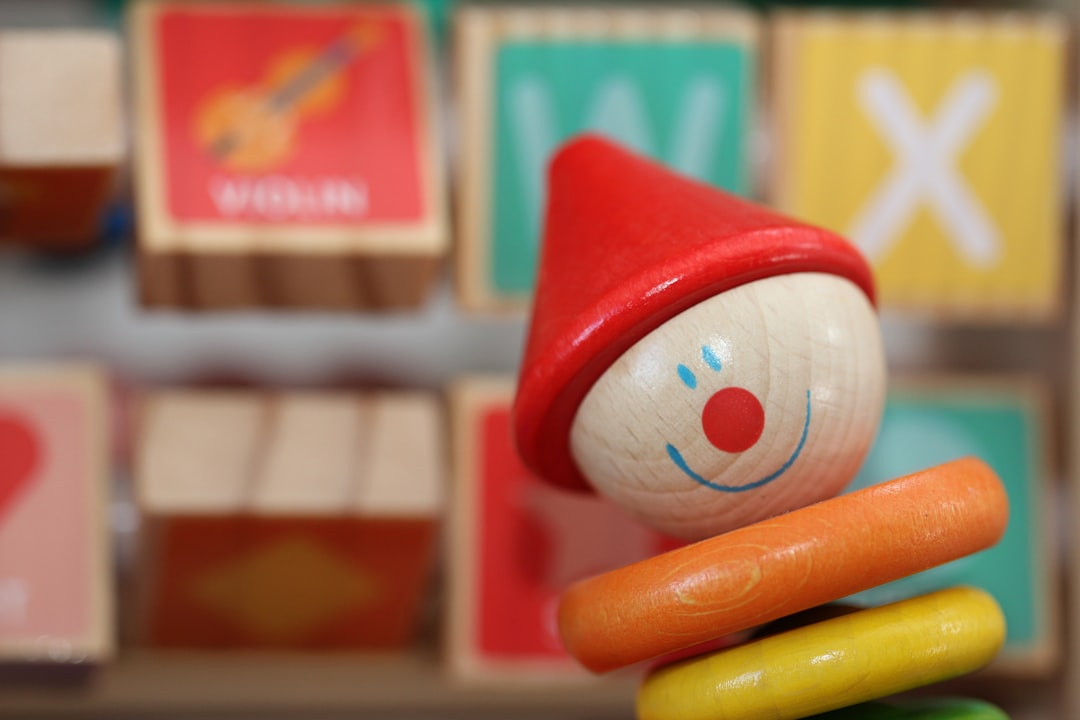
Unlike precisely manufactured Montessori materials, a Reggio classroom features recycled materials, mirrors, lights, and art ateliers. Creativity is central.
Key Differences Between Montessori and Reggio Emilia
Though both respect the child, the differences between Montessori and Reggio Emilia manifest in concrete pillars. Knowing them will help clarify why one school type fits your child or not.
1. Origins and Foundations
Montessori is a scientific method, tested and replicable worldwide. AMI ensures fidelity. Reggio Emilia is a local, contextual philosophy that each school adapts, without a central auditing body with the same rigor.
2. Learning Materials
In Montessori, materials are sensory, self-correcting, and designed for a specific purpose (pink tower, number rods, sandpaper letters). They are used independently. In Reggio Emilia, everyday objects, natural materials, and aesthetic “provocations” invite exploration without predetermined goals. Emphasis is on process, not defined outcomes.
3. Role of the Adult
In Montessori, the guide is a trained observer who connects the child with the material at the right sensitive moment. Minimal intervention. In Reggio Emilia, the educator is a researcher-co-learner who poses questions, collects documentation, and walks alongside the child. The adult co-creates the curriculum.
4. The Environment
A Montessori classroom is clean, orderly, with open shelves placing everything within child’s reach. Wood, neutral tones, and natural light dominate. Reggio Emilia transforms space with art installations, mirrors, fabrics, and lights. Order is less strict. Sensory richness seeks to provoke expression.
5. Individual vs. Collaborative Work
Montessori values individual work because deep concentration leads to development. Children socialize freely but choose when to work alone or in pairs. Reggio Emilia promotes constant collaboration through group projects. Learning is built in community and documented on visible panels.
6. Assessment and Tracking
The Montessori guide records presentations given to each child and observes developmental milestones. No exams or grades. Reggio Emilia uses graphic and narrative documentation: portfolios with photos, transcribed dialogues, and artworks. This documentation is shared regularly with families.
If you want to explore the Montessori environment at IMS Sotogrande, we invite you to book a personalized school visit.
How to Choose Between Montessori and Reggio Emilia for Your Child?
This is the question we get in every admissions interview, and the answer isn’t a label. It depends on what your family prioritizes and your child’s temperament.
Montessori often suits children who need structure and autonomy. If your child enjoys manipulating objects, concentrates for long periods, and needs external order to feel secure, a Montessori environment brings calm. At IMS we see it daily: children who, after a few weeks, move freely around the classroom, respect materials, and ask for help only when needed.
Reggio Emilia may be more suitable for especially creative children who express ideas better through art or movement and enjoy group work. It requires well-trained educators in documentation and an engaged community.
Also consider the context. In Campo de Gibraltar and nearby towns, from Manilva to Estepona or La Línea, Montessori options are limited. Reggio barely exists as such outside schools applying some ideas without equivalent accreditation. Choosing an internationally accredited school like ours offers real assurance.
A Real Case of an Undecided Family
Recently, a family from Alcaidesa visited us, torn between Montessori and a Reggio-inspired project. Their 4-year-old daughter spent hours drawing and creating. They worried Montessori would be too “structured.” We invited them to spend a morning in Children’s House. The girl fell in love with the practical life area and the pink tower. Her parents saw that structure didn’t mean rigidity, but clear limits that gave her security to explore. Today she chooses her work, draws in the art corner, and has gained autonomy.
Montessori at IMS Sotogrande: More Than a Pedagogy
Our school, located in Sotogrande, minutes from San Roque, La Línea, and Gibraltar, is the only trilingual (Spanish, English, French) center with AMI and NEASC accreditation in the entire region. We don’t sell a method: we accompany each child in their uniqueness.
The difference between Montessori and Reggio Emilia blurs when you understand both aim to unleash the child’s potential. But at IMS, we have the backing of the Association Montessori Internationale, guides trained over years, standardized materials, and a real commitment to scientific observation.
We organize personalized visits because we believe the best way to understand the difference is to step into a prepared environment and feel the contrast with any other school. You can request one through our admissions page or email [email protected].
Frequently Asked Questions
Is Montessori more structured than Reggio Emilia?
Montessori offers structure in the environment: each material has a specific place and use. Reggio Emilia is more fluid, with few fixed routines. Both offer freedom, but Montessori better channels children who need clear references.
Which is better for a gifted child?
Depends on the profile. Montessori allows self-paced learning and deep exploration without waiting for the group. Reggio stimulates divergent creativity. In both cases, individualized guidance is key. At IMS, we have supported gifted children by tailoring presentations and materials to their interests.
Can I use both Montessori and Reggio Emilia at home?
Yes. Many families mix: prepare a Montessori corner for order and concrete materials, and encourage free artistic expression with natural or recycled items. The key is to observe your child and respect their sensitive periods.
Key Takeaways
The difference between Montessori and Reggio Emilia isn’t a war of methods, but two beautiful paths toward respecting childhood. Montessori gives you a scientific, proven, globally accredited system, Reggio Emilia offers a flexible, artistic, contextual philosophy. The choice depends on your family’s values and your child’s temperament.
If you’re looking for a bilingual environment with AMI-certified guides and an active community in Campo de Gibraltar, we encourage you to discover IMS Sotogrande. Book a no-obligation visit and experience for yourself how a real Montessori classroom feels. Because education isn’t a pretty speech: it’s what your child lives every morning when they walk through the door.









