
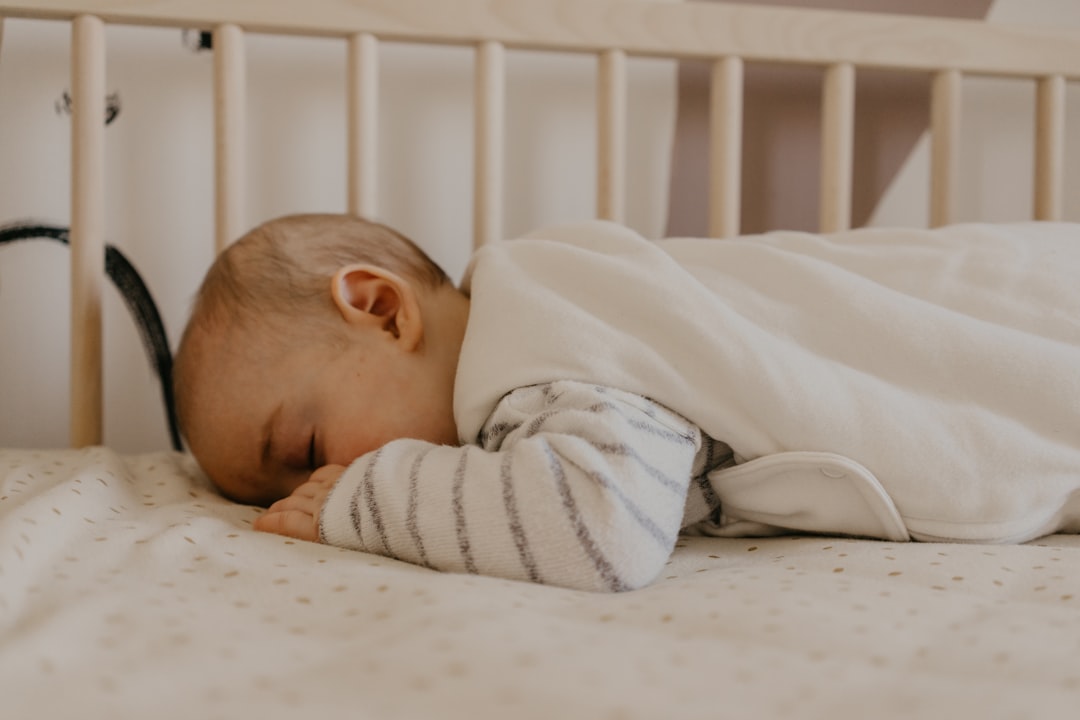
Montessori Sleep Training: How to Help Your Child Sleep Independently (Practical Guide)
In short
I often hear from families looking for answers about how to help their child sleep independently, and in Montessori pedagogy, the answer is not a quick trick. It's a gradual process of autonomy that respects the child's own timing.

I often hear from families looking for answers about how to help their child sleep independently , and in Montessori pedagogy, the answer is not a quick trick. It’s a gradual process of autonomy that respects the child’s own timing. At home and in our classrooms in Sotogrande, we see daily that when a little one feels secure and confident, independent sleep comes almost naturally. Today I’ll share how to achieve it without stress, with concrete steps I’ve refined as an AMI guide. In this article we explore Montessori sleep training in depth with practical examples.
- Montessori Sleep Training: Key Principles for Independent Sleep
- The Prepared Environment: The Foundation for Independent Sleep
- Montessori Bedtime Routine: Step by Step to Independent Sleep
- The Adult's Role: Accompany Without Interfering
- Common Mistakes When Trying to Get Your Child to Sleep Alone (and How to Avoid Them)
- Frequently Asked Questions
- Key Takeaways
Montessori Sleep Training: Key Principles for Independent Sleep
The idea that a young child can fall asleep independently isn’t about “crying it out” or behaviorist methods. In Montessori, we talk about a gradual process where the adult offers trust and an adapted environment. Autonomy in sleep is an extension of the autonomy we encourage during the day. When it comes to Montessori sleep training, it pays to listen to what families and lead guides actually report.
The first step in learning how to help your child sleep independently is understanding that each child has their own rhythm. There is no magic age, but there are readiness signs: if your child is walking, seeks to do things without help, or responds well to routines, it’s a good time to start. The key is not to rush or compare with other children. Daily practice with Montessori sleep training reveals nuances no handbook fully captures.

The Prepared Environment: The Foundation for Independent Sleep
A Montessori bedroom isn’t just a low bed. It’s a space designed so the child can move freely and safely, even at night. Key elements include: Understanding Montessori sleep training from inside the classroom reshapes everyday decisions.
- A floor bed (Montessori style) that allows the child to get in and out without help.
- A firm, safe mattress, without excessive pillows or stuffed animals.
- Soft lighting: a warm light lamp that the child can turn on and off.
- A calm corner with cushions or quiet books, in case they wake up.
- Familiar objects: a family photo or favorite comfort object.
This environment helps the child feel ownership of their space. According to the Association Montessori Internationale, the prepared environment reduces anxiety and promotes autonomy from the earliest months. By not depending on an adult to get in or out of bed, the child gains confidence.
If you want to see firsthand how we apply these principles in our classrooms, you can book a personalized tour of our school in Sotogrande.
Montessori Bedtime Routine: Step by Step to Independent Sleep
The routine is the scaffolding for independent sleep. It’s not a rigid checklist but a predictable sequence that gives the child control over what’s coming. Here are the steps we suggest to families:
- Gradual wind-down: an hour before bed, turn off screens and dim the lights. Offer quiet activities: drawing, puzzles, reading together.
- Hygiene and pajamas: let them participate as much as possible: choose their pajamas or brush their teeth with minimal supervision.
- Story or song: in bed, a brief but intense connection moment. The adult sits beside the bed, not on it, and ends with a clear phrase: “Now it’s time to rest, sweetie.”
- Calm exit: leave the room confidently. If the child calls, return calmly, remind them it’s bedtime, and withdraw again.
Repetition is the magic. The more predictable the routine, the easier it is for the child to anticipate that after the story comes sleep. Little by little, how to help your child sleep independently stops being a challenge and becomes a natural habit.
The Adult’s Role: Accompany Without Interfering
One of the pillars of Montessori is observation. Instead of reacting immediately to every call, observe what your child truly needs. Sometimes it’s just a check: “Are you still there?” Over time, the visits space out.
It’s important for the adult to manage their own anxiety. If children see us nervous or hesitant, they pick up on it. A calm attitude, confident in their abilities, is the best example. Remember, it’s not about forcing, but about accompanying with respect.
Common Mistakes When Trying to Get Your Child to Sleep Alone (and How to Avoid Them)
Many families fall into traps that, far from helping, prolong the process. Some common mistakes:
- Staying until they fall asleep: if you stay nearby, the child associates sleep with your presence. It’s better to leave while they are still awake but calm.
- Changing the routine every night: inconsistency creates insecurity. Stick to the established sequence.
- Using rewards or punishments: in Montessori, we don’t condition behavior. Sleep is a need, not an achievement to reward.
- Comparing with siblings or friends: each child has their own rhythm. Comparisons only add pressure.
Learning how to help your child sleep independently is easier when we avoid these pitfalls. Instead of beating ourselves up over mistakes, we use them to adjust our strategy.
Frequently Asked Questions
At what age is it recommended for a child to sleep alone?
There’s no exact age. In Montessori, we recommend observing readiness signs: daytime autonomy, ability to follow routines, and curiosity about doing things without help. Many children start showing interest between ages 2 and 3, but some take a bit longer.
Is it normal for them to wake up at night when they start sleeping alone?
Yes, completely. The transition to independent sleep involves night wakings where the child checks that their environment is still safe. Stay calm, comfort briefly, and leave again. Over time, these episodes will reduce.
What if my child cries when I put them in their bed?
Crying communicates a need. Go back, validate their emotion (“I know you want me to stay, but it’s bedtime”) and offer a transitional object like their favorite stuffed animal. The key is to be firm about the limit but loving in support. If crying is intense, gradually shorten the distance over several days.
Key Takeaways
Helping a child sleep independently is a journey of respect and mutual trust. Start by creating a safe environment and a predictable routine, maintain a calm demeanor, and trust their innate ability to self-regulate. There are no shortcuts, but with consistency, the results are profound.
If you feel you need more guidance, I invite you to learn about our program at IMS Sotogrande. In our classrooms, we apply these principles every day and support families to make the home a Montessori space too. Together, we make sleeping and growing in autonomy a natural experience.









