
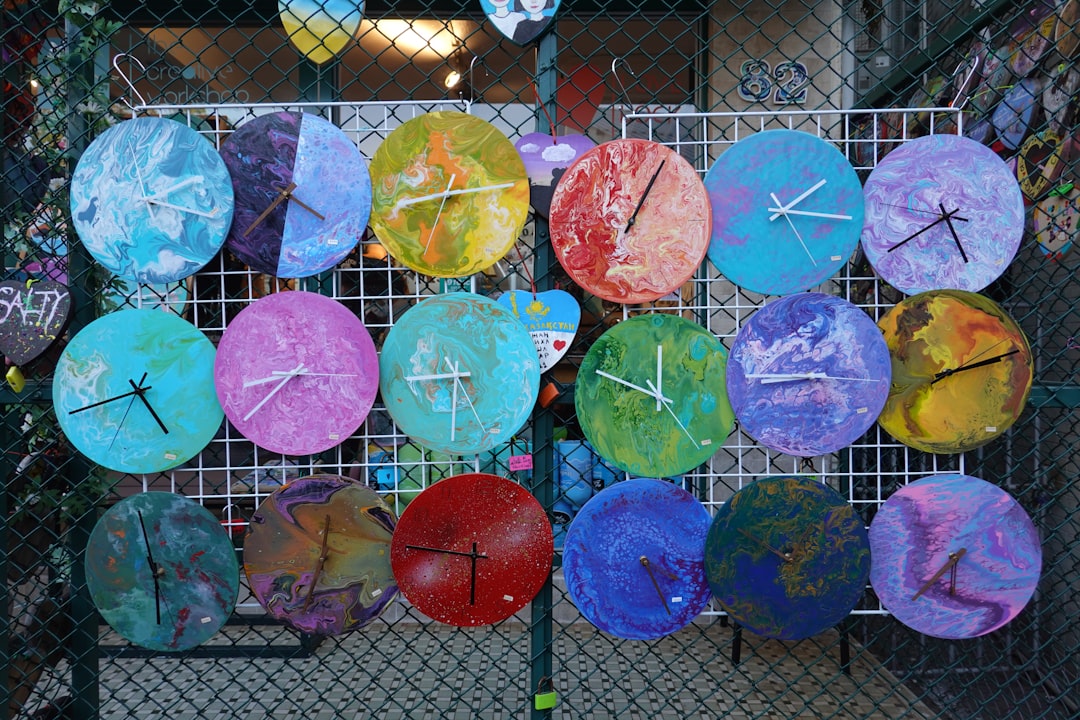
Spin Art: Creative Activity for Kids at Home

Remember those plastic salad spinners gathering dust in the cupboard? They’re about to become the centerpiece of your next craft afternoon. Spin art combines movement, color, and surprise: kids place a paper plate in the bottom of a spinning container, drizzle paint, and as it spins, hypnotic patterns form.
The best part is you don’t need an expensive kit. With a manual salad spinner (the kind with a crank or pump) and basic acrylic paint from any local bazaar, you’re all set. In Spain, you can find plastic salad spinners at stores like Ikea or Chinese bazaars for under 10 euros. If you don’t have one, a paper plate on an old record player also works, though the effect is more unpredictable.
This activity is ideal for kids aged 3 to 8, though older children get hooked too. The Spanish Pediatric Association recommends activities that integrate movement and creativity for psychomotor development, and spin art fits perfectly. Plus, because it’s an open-ended process (you never know exactly how the design will turn out), it fosters tolerance for surprise and experimentation.
Materials needed (and where to get them in Spain)
The key is a spinning base. Here are the most accessible options:
- Manual salad spinner: Brands like Lékué or generic plastic models with a central pump. Available at El Corte Inglés, Amazon Spain, or kitchen stores. Approximate price: €8-15.
- Record player or turntable: If you have an old one, attach a paper plate with Blu-Tack. You can sometimes find one at thrift stores like Cash Converters for €20.
- Acrylic paint: German brand Pelikan or Spanish Titanlux are affordable and easy to find at stationery stores. Avoid watercolors because they’re too runny. A pack of 6 primary colors is enough.
- Surfaces: White paper plates (at Mercadona or Carrefour, pack of 50 for €2), cardstock, or watercolor paper. Kitchen paper doesn’t work because it soaks up too quickly.
- Protection: A plastic picnic tablecloth and an old apron. The paint splatters a lot, though the salad spinner contains most of it.
Step by step: how to make spin art with kids
You don’t need complicated instructions. The method is so simple that a 5-year-old gets it the first time:
- Place the salad spinner on a flat surface covered with newspapers or the plastic tablecloth.
- Put a paper plate in the bottom of the spinner. If the spinner has a central pump, make sure the plate doesn’t cover it; you can poke a small hole in the center with a pencil.
- Drop small blobs of different colored paint onto the plate. You don’t need to cover it entirely; a few drops are enough because centrifugal force spreads them.
- Operate the crank or pump for 10-15 seconds at a constant speed. Younger kids may need help maintaining the rhythm.
- Stop, carefully remove the plate, and let it dry. The result is an abstract and unique mandala.
What if the plate flies off? Hold the salad spinner with one hand while spinning with the other. If using a record player, put a weight on it (like a cup with coins) to prevent vibration.

Variations to extend the fun
Once they master the basic technique, kids start experimenting on their own. These variations are the biggest hits during craft afternoons:
Glitter spin art
Mix a little fine glitter into the paint before dropping it. The glitter spreads in shiny spirals. Caution: traditional glitter is plastic; for an eco-friendly option, look for biodegradable glitter at stores like Verdecora or on the website La Finestra sul Cielo.
Spin art on t-shirts
Swap the paper plate for a white cotton t-shirt (the €5 ones from Primark). Place cardboard inside to prevent the paint from bleeding through, and use fabric paint (brand Jovi or Pebeo, at any craft store). The t-shirt can be washed at 30°C and the design stays.
Spin race
If you have two salad spinners, organize a contest: each child picks three colors and spins for 15 seconds. Then compare the results. This introduces a playful and decision-making element.
Frequently asked questions
What do I do if the paint doesn’t spread well?
Paint that is too thick won’t move. Add a drop of water per teaspoon of paint and stir before using. If it still doesn’t spread, the issue may be speed: spin faster or longer.
Can the salad spinner be reused for cooking afterwards?
No, once used for paint, the plastic gets scratched and retains residue. Better to dedicate a salad spinner exclusively for crafts. Thrift stores sometimes sell them for €1.
From what age is this activity safe?
With 2-3 year olds, constant supervision and using non-toxic paint (most children’s acrylics are). The youngest tend to put their hands in their mouths; better to use edible finger paint mixed with flour, though the effect won’t be the same. For ages 4+, it’s fully autonomous.
Key takeaways
Spin art is a cheap, versatile activity that connects with Montessori pedagogy (the child experiences cause and effect with movement). Plus, the results are so striking that they can be framed as children’s decor. On YouTube, there are Spanish tutorials from the channel “Manualidades para niños” with over 100,000 views showing variations.
If you live in a small apartment, the best time is after school, when natural light is good and you have half an hour to set up and clean up. Protip: place the salad spinner inside the sink to minimize splatters. And remember: the goal is not the perfect artwork, but the process of experimenting with movement and color. Let the kids decide their own combinations, even if they don’t make sense to your eyes. It’s their creativity in action.









