
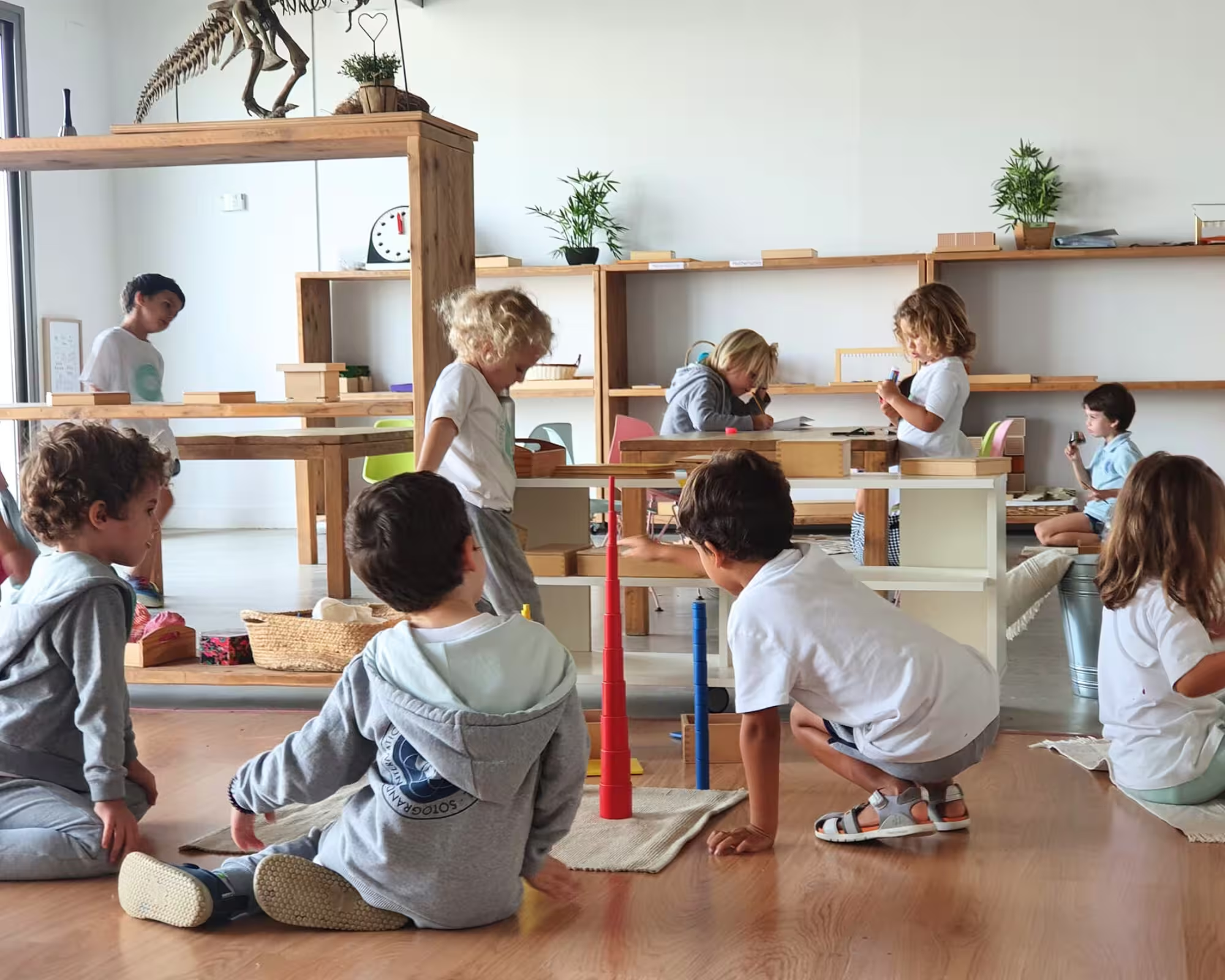
Freedom within limits
A Montessori principle in action at IMS Sotogrande
One of the most distinctive aspects of Montessori education is the balance betweenfreedom and responsibility– a concept often expressed asfreedom within limits.

At IMS, we believe that true independence comes not from doing whatever we want, but from learning to make thoughtful decisions within a respectful and structured environment. Children thrive when they understand theirfreedom to exploreand theboundaries that keep them and others safe.
What freedom means in Montessori

In a Montessori classroom, freedom is not about chaos or lack of direction. It means that children are trusted to choose their own activities, move around the classroom and work at their own pace, as long as their choices aredetermined, respectful and considerateof others.
This type of freedom gives children a sense of control over their own learning. They learn to listen to their own interests, follow curiosity and develop concentration naturally, because what they do really matters to them.
The role of limits

The “limits” are what make this freedom meaningful. They provide a feeling of security and order that allows independence to grow in a healthy way. Limits are not harshly imposed; they areconsistent, clear and friendly.
For example:
- A child is free to choose any material shown to him, but must handle it carefully and return it when finished.
- Children will be able to move around the classroom, but they must do so quietly and respectfully, without disturbing others.
- They can express emotions openly, but they learn to do so with words and empathy, not by yelling or hurting each other.
Through these limits, children discover thatfreedom always comes with responsibility— a lesson that builds maturity, self-discipline, and respect for the community.
Freedom in daily practice

At IMS, you can see this principle in every classroom.
One child in the Children’s House may choose to work on counting beads or letters while another child paints or bakes, each following their internal motivation. A guide observes silently, intervening only when necessary to help or redirect.
In elementary classrooms, older children collaborate on research projects, organize their schedules, and manage classroom responsibilities, such as caring for plants or preparing snacks. These experiences strengthen your ability to make decisions, manage time, and think independently.
Even in outdoor games and practical life activities, the same balance applies. Children are free to climb, run, or garden, but they also learn to respect the environment, take turns, and recognize when something might be unsafe.
Why is it important

Freedom within limits allows children to experience the joy of independence while feeling safe, supported, and connected to others. It helps them internalize values such as respect, empathy and responsibility, not because an adult insists on them, but because they live them every day.
At IMS, this is what we mean when we say that Montessori education prepares children not only for school, but also forlife.
✨When children are trusted with freedom and guided by gentle boundaries, they grow into confident, capable, and compassionate human beings.









