
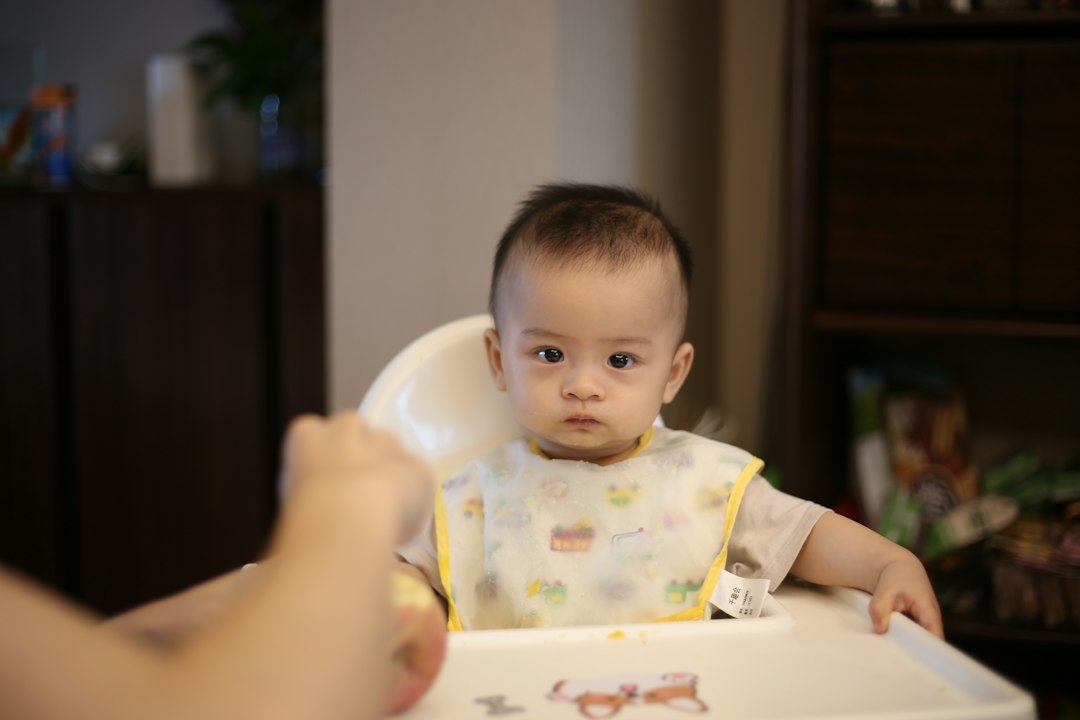
6 Month Baby Food Chart: Weekly Menu from 6 to 12 Months with Textures and Portions

A useful 6 month baby food chart is one that tells you what to put on the plate today, with what texture and in what order, without asking you to be a chef. This baby food chart for 6-month-olds starts with a soft purée and soft finger foods to grab, and works its way up to sharing the family plate by 12 months. Here is the full plan, with practical examples and rough portions.
In short
- Around 6 months (never before 4) your baby moves on from milk to complementary feeding, while keeping breast or bottle as the foundation.
- Texture order: smooth purée and soft finger foods first, then finely chopped, and by around 8 months, food from the family plate.
- Fists are the best measure: at 6 months, offer 1-2 handfuls per meal; at 12 months, almost a child-sized plate.
- Common mistakes: starting too early, sticking with purée beyond 8 months, and offering bland flavours every single day.

What to feed your baby between 6 and 12 months
Between 6 and 12 months your baby can eat almost everything, with four exceptions: honey until the first birthday, cow’s milk as a main drink, foods with added sugar, and anything that is a real choking hazard (whole grapes, hard nuts, sliced sausages). Everything else is fair game. This is the foundation of any 6-month baby food chart that works.
The six groups to rotate each week
- Vegetables : courgette, pumpkin, green beans, steamed broccoli.
- Fruit : banana, ripe pear, avocado, peach.
- Grains : cooked porridge oats, rice, unsalted toast, cooked pasta.
- Proteins : chicken, white fish, mashed pulses, boiled egg.
- Dairy : plain unsweetened yoghurt, fresh cheese.
- Fats : extra virgin olive oil drizzled raw, avocado, butter.
Rough portions based on your baby’s fists
- 6-7 months : 1-2 handfuls per meal and 2-3 meals a day on top of milk.
- 8-9 months : 3-4 handfuls, with breakfast, lunch and dinner now established.
- 10-12 months : half a child’s plate, with finely chopped food and plastic cutlery within reach.

How to introduce solids without battles
Introducing solids is based on three signs, not the calendar. Your baby is ready when they can sit upright with a straight back, show interest in what you are eating, and have lost the extrusion reflex (they no longer automatically push everything out). If all three are in place around 6 months, go ahead. The American Academy of Pediatrics reminds us that milk remains the main food throughout the first year.
The texture order, week by week
- Weeks 1-2 : very smooth purée and soft finger foods to grab (avocado, banana).
- Weeks 3-6 : cooked pieces that dissolve against the gum, two a day on the tray.
- Months 4-6 : fork-mashed and food from the family plate without added salt.
- From 10 months : your baby eats the same as the table, cut to their size.
Example: a dinner at 8 months
Imagine putting together your 8-month-old’s dinner in 15 minutes: a bowl of pumpkin and cooked chickpeas, two teaspoons of olive oil and half a banana in strips for them to grab. Your little one eats two handfuls, plays with the rest and finishes with the breast or bottle. One simple rule that can work at home: the family decides what and when, the baby decides how much.

Sample weekly menu from 6 to 12 months
Here is a numbered example you can use as a template: swap the ingredients for whatever you have in the fridge.
- Day 1 : breakfast of milk plus porridge oats with pear; lunch of shredded chicken with courgette; dinner of plain yoghurt with banana.
- Day 2 : breakfast of milk and toast with avocado; lunch of hake with potato and pumpkin; dinner of leftover vegetables from the day before.
- Day 3 : breakfast of milk and mashed peach; lunch of cooked lentils with rice; dinner of fresh cheese with bread and boiled egg.
- Day 4 : breakfast of milk and porridge oats with banana; lunch of chicken with broccoli and green beans; dinner of yoghurt with pear.
- Day 5 : breakfast of milk and toast with olive oil; lunch of white fish with courgette; dinner of rice with pumpkin.
- Day 6 : breakfast of milk and avocado; lunch of pulses from the family stew; dinner of bread with cheese and banana.
- Day 7 : repeat the dishes your baby accepted best. Repeating also trains the palate.
Three table rules that never appear in any chart
At the family table your baby learns more than you would think: they sit with the adults, watch them chew, touch the food and listen to conversation. The Association Montessori Internationale stresses offering the child small real portions, served on child-sized tableware, so they can take part in the practical life of the family.
It also helps to eat at calm times and without screens. One change that often works is seating your baby at the table from the very first purée, with their own spoon and plate, even if they still miss their mouth.
Common mistakes and how to fix them
The most frequent mistake is starting too early because of pressure from people around you. The American Academy of Pediatrics recommends waiting for the three-sign readiness check, and the guidance from the Association Montessori Internationale insists on respecting each child’s own pace. Another mistake: always offering the same purée out of fear of textures, and another: feeding the baby without letting them touch the food.
Practical fix: if your baby rejects a food, take it away without insisting and offer it again five or six days later. It is not a failure, it is information. Rejections are part of learning the palate and almost always resolve on their own.
Frequently asked questions
What foods should I not give a 6-month-old baby?
Do not give honey before the first birthday, cow’s milk as a main drink, or foods with added sugar. Avoid whole grapes, hard nuts, sliced sausages and anything that could block the airway. If you have doubts about allergies, check with your paediatrician.
Can a 6-month-old baby eat egg and fish?
Yes, they can eat boiled egg and white fish from the very first week of complementary feeding, in a texture suited to their age. Introduce them one at a time to watch for tolerance. Current guidance favours introducing common allergens early, but discuss it with your paediatrician if there is a family history.
How many meals a day should a 6-month-old baby have?
To start with, two exploratory meals a day is enough, on top of breast milk or formula. By around 8 months breakfast, lunch and dinner are established, and by the first birthday your baby is eating to the rhythm of the family table. Milk remains important until 12 months.
What if my baby does not want to eat?
Do not force it or insist with the fork hovering in the air. Offer a simple plate, sit down to eat with them and clear the food after 20-25 minutes without judgement. If the refusal lasts several weeks or they lose weight, check with your paediatrician. Pressure never helps anyone eat better.









