
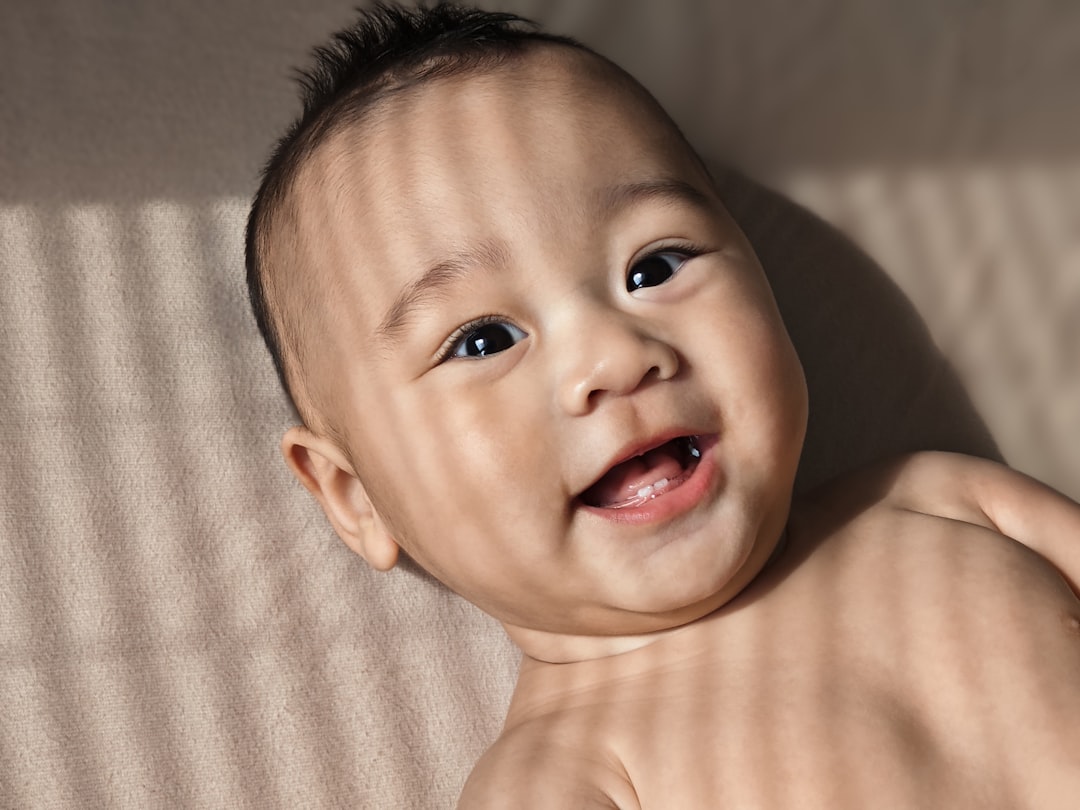
When Do Babies Start Teething? A Practical Guide for Parents

The answer to the question when do babies start teething? is that most babies begin teething at around six months. Some show their first tooth from four months, while others do so after their first birthday. Baby teething is the stage when primary teeth emerge, and every child follows a different timeline.
Key points
- The first tooth usually appears at around six months, but there is a wide normal range.
- Sensitive gums, drooling and the need to bite are common signs.
- A chilled teether, adult reassurance and a clean cloth may ease discomfort.
- High fever, vomiting or unusual lethargy require professional assessment.

When do babies start teething?
Most babies start with the lower central incisors. The upper incisors usually follow, although the order can vary. There is no need to compare your baby’s mouth with another baby’s every week. When it comes to when do babies start teething, it pays to listen to what families and lead guides actually report.
The question of when babies start teething does not have one exact answer. A difference of several months can be part of normal development. If your child is well, eating, sleeping and growing normally, not having a first tooth at six months does not mean the process needs to be accelerated. Daily practice with when do babies start teething reveals nuances no handbook fully captures.
The American Academy of Pediatrics offers general guidance on children’s health. For a specific concern, a paediatrician or paediatric dentist can check the gums and oral development.

Baby teething: typical ages and signs
Baby teething usually progresses in stages and causes varying levels of discomfort. Some children show very few changes, while others want to bite, drool more or wake more often.
Signs that your baby is teething
Teething can cause swollen gums, irritability, a desire to put objects in the mouth and small changes in sleep. It is also common for babies to drool more and need extra physical contact.
However, teething does not explain every symptom. Severe diarrhoea, repeated vomiting or marked lethargy require a separate assessment. Do not automatically attribute a significant change to teething.
At home, observe without rushing to intervene. A baby who wants to bite does not always need an adult to do something. Sometimes the baby is seeking pressure on the gums, sensory exploration or simply the security of your arms.
If you live in Sotogrande, San Roque or anywhere in the Campo de Gibraltar, you can use these guidelines both at home and in a Montessori 0-3 environment. Book a personalised school visit to learn how child development is observed and supported at IMS.

What to do when your baby starts teething
What to do when your baby starts teething depends on how uncomfortable they are. Offer simple, safe and respectful relief without turning every sign into a medical problem.
What to do when your baby starts teething at home
When the first symptoms appear, try these practical measures:
- Offer a firm teether suitable for your baby’s age, chilled in the fridge but never frozen.
- Gently massage the gums with a clean finger or a cool, damp cloth.
- Offer extra closeness and allow your baby to rest with a calm routine.
- Ask a healthcare professional before using gels, medicines or teething products.
Avoid amber necklaces and any small object. They can cause choking or strangulation. You also do not need to rub hard foods on the gums for your baby to bite. Safety must come before any home remedy.
How to soothe your baby’s first teeth
To soothe your baby’s first teeth, combine moderate cooling, gentle pressure and reassurance. A clean teether can provide a pleasant sensation, while contact with an adult can reduce tension.
Do not force an activity if your baby rejects it. In a prepared environment, place the teether within reach and allow your baby to explore it. This small choice supports independence without leaving your baby alone with the discomfort.
Signs not to blame on teething
Teething alone should not be used to explain a temperature of 38 °C or higher, difficulty breathing, persistent vomiting, heavy diarrhoea or unusual drowsiness. In these cases, contact a healthcare professional.
Also seek advice if the pain appears severe, if your baby refuses fluids or if you notice swelling that is getting worse. Do not wait several days to ask for help when your baby’s general condition changes.
Your baby’s first teeth: fuss-free oral hygiene
Your baby’s first teeth need cleaning as soon as they appear. Use a small toothbrush and an age-appropriate amount of fluoride toothpaste, following your paediatrician’s or paediatric dentist’s advice.
Brush your baby’s teeth twice a day, especially before bedtime. At first, your baby may want to hold the toothbrush. You can give them one to explore while using another to complete the cleaning. This respects their initiative while keeping the adult responsible for effective brushing.
An early dental visit helps answer questions about enamel, fluoride, dummies and feeding. It also helps the child become familiar with check-ups without associating them with an emergency. The Association Montessori Internationale explains the value of preparing environments that support children’s independence and participation.
Oral hygiene is also part of Montessori practical life. Keep the toothbrush somewhere accessible, use a small cup and accompany the sequence with just a few words. At 18 months, many children can take part, although they still need an adult to finish brushing their teeth.
Frequently asked questions
When do babies start teething?
Most babies start teething at around six months, but the usual range extends approximately from four to twelve months. Individual variation alone does not indicate a health problem or mean the process needs to be accelerated.
If the first tooth takes longer to appear or comes through earlier, observe your baby’s general condition and discuss your questions at the paediatric check-up.
What can I do if my baby is very uncomfortable from teething?
You can offer a chilled teether from the fridge, gently massage the gums with a clean finger, provide extra closeness and maintain a calm routine. However, ask a healthcare professional before using pain-relief medicines or teething gels.
Also check that your baby is drinking fluids and wetting nappies normally. If your baby refuses feeds or is very lethargic, seek medical advice.
Is a fever normal when babies are teething?
A temperature of 38 °C or higher should not automatically be attributed to teething, especially if it occurs with lethargy, vomiting, severe diarrhoea, breathing difficulties or persistent refusal of fluids.
The arrival of the first teeth can coincide with common infections during the early years. For this reason, consider all the symptoms together and contact your paediatrician when something does not seem right.
Key takeaways
Teething usually begins at around six months, but every baby follows their own timeline. Moderate cooling, gentle pressure, contact and consistent hygiene can provide support without overprotecting.
Check your baby’s gums today, prepare a safe teether and seek advice if intense symptoms appear. This way, you can support your baby’s first teeth calmly and confidently.
Viviane Dumont









