Best Educational Games for 8-Year-Olds: Ideas That Really Work

Educational games for 8-year-olds are the most natural tool to reinforce what they learn at school without making them feel like they’re ‘studying’. At this age, children master basic reading, math operations start to make sense, and their curiosity about the world soars. Choosing the right games (literally) makes a real difference in their motivation and confidence. In this article we explore educational games for 8 year olds in depth with practical examples.
Key Points
- Educational games for 8-year-olds should combine mental challenge with real fun to keep interest alive.
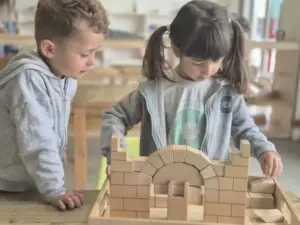
- At 8 years old, they need to handle concrete materials before moving to abstract concepts, just like in Montessori pedagogy.
- The best games encourage cooperation, problem-solving, and creativity, not just memorization.
- A good educational game grows with the child because it offers adjustable difficulty levels to match their progress.

Best Educational Games for 8-Year-Olds
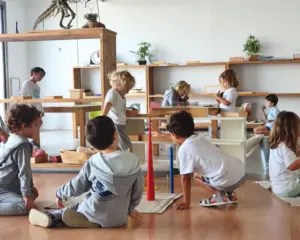
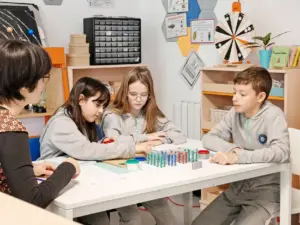
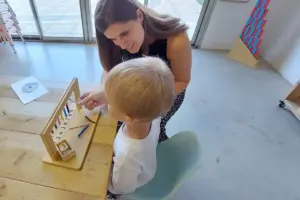
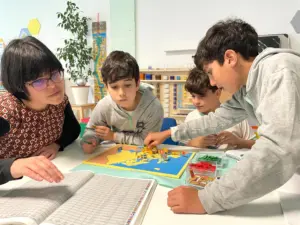
In Montessori pedagogy, at 8 years old, the child is in the full Elementary level (ages 6-12). It’s the stage of reason, cosmic imagination, and intense social life. Montessori materials from this period, like the history of the universe or large operations with the abacus, follow the same philosophy as the best educational games for 8-year-olds: learning by doing, with hands and mind. When it comes to educational games for 8 year olds, it pays to listen to what families and lead guides actually report.
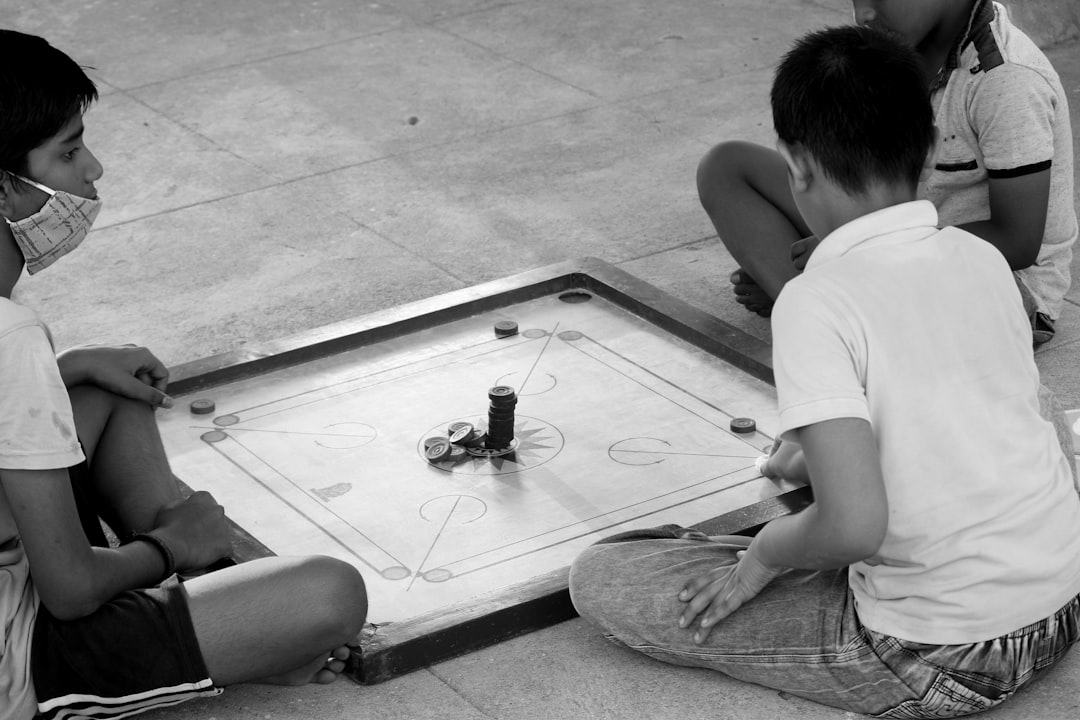
The ideal educational game for a child at this age shares three concrete traits. First, it offers an achievable challenge: not so easy that it bores, nor so hard that it frustrates. Second, it allows repetition and variation in each play session. Third, it invites interaction with a partner, an adult, or the group. Daily practice with educational games for 8 year olds reveals nuances no handbook fully captures.

Educational Games for 8-Year-Olds by Intelligence Type
Not all children learn the same way. Howard Gardner described multiple intelligences, and although academic debate continues, the practical idea is clear: offer variety. Below are educational activities for 8-year-olds grouped by skill type. Understanding educational games for 8 year olds from inside the classroom reshapes everyday decisions.
Logic and Math Games
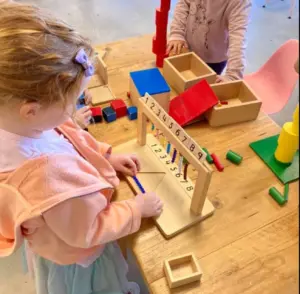
Strategy games like chess, Blokus, or Quoridor develop logical thinking and anticipation. Puzzles with 200 to 500 pieces and card games with operations also work very well. In the Montessori Elementary classroom, children work with golden beads or the stamp game. At home, a good board game serves the same purpose: making the abstract tangible. Concrete data on educational games for 8 year olds is worth reviewing before acting on assumptions.
Language and Communication Games
At 8 years old, vocabulary grows rapidly. Scrabble Junior, Dixit, or Story Cubes stimulate oral and written expression naturally. Brief role-playing games are also very effective: inventing a story with a beginning, middle, and end in ten minutes. At IMS, we encourage creative storytelling in three languages, because each language opens a different window to the world.
Science and Experimentation Games
Science kits (electrical circuits, volcanoes, crystals) captivate 8-year-olds. You don’t need to spend much money: a glass of water, food coloring, and oil already create a density experiment. The key is to ask questions before giving answers. ‘What do you think will happen?’ is worth more than any instruction manual. This investigative attitude is precisely what we cultivate daily in the Montessori classroom.
Coordination and Movement Games
The body needs to move as much as the mind at this age. Games like Twister, skill courses with ropes and cones, or simply throwing and catching a ball while solving math challenges combine physical with cognitive. In Elementary, we dedicate daily time to intentional movement. It’s not recess. It’s part of learning. The Association Montessori Internationale emphasizes that movement and cognition are deeply connected in childhood.
Book a personalized school visit and discover how we integrate play and learning at every stage.

How to Choose Games That Really Teach
Not any game with an ‘educational’ label will do. The market is full of products that promise much and deliver nothing. Before buying, ask yourself these concrete questions.
Does it allow the child to make decisions or only follow instructions? A good educational game leaves room for personal strategy. What happens if they lose? Games that only reward the winner generate frustration. Look for options where all participants progress, just like in the Montessori system, where there is no comparison between peers.
Another key criterion: does the game grow with them? The best educational games for 8-year-olds offer difficulty variants. This way, they last years at home, not just two afternoons. For example, a game like Blokus has simple rules but each playthrough is different. A disposable game doesn’t educate. It bores.
Finally, observe how your child reacts. If they abandon it after ten minutes, it’s not the right game. If they ask to play again, you’ve got it right. Real interest is the best indicator of learning, as Maria Montessori noted over a century ago. The American Academy of Pediatrics also recommends free and guided play as a pillar of child development.
Frequently Asked Questions
How many educational games for 8-year-olds should I have at home?
It’s not about quantity, but quality and variety. With five or six well-chosen games covering logic, language, science, and movement, you have a sufficient collection. Better a few good ones than many forgotten in a drawer. The important thing is that they are accessible and that the child sees them as desirable, not as a disguised obligation.
Are educational video games as effective as board games?
It depends on use. Educational video games can reinforce math or languages in an entertaining way, but they don’t develop social interaction or fine motor skills like a shared board game does. The recommendation is to combine both formats with a predominance of physical play. The screen works as a targeted tool, not a substitute for face-to-face play.
At what age can you start with strategy games like chess?
Chess can be introduced from age 6 or 7 with simplified versions. At 8 years old, most children understand the basic rules and enjoy full games. The important thing is not that they win, but that they think before moving each piece. This mental discipline is exactly what is worked on in the Montessori Elementary every day.
Key Takeaways
Educational games for 8-year-olds work when they respect their developmental stage: they need challenge, manipulation, and companionship. Don’t look for the perfect toy. Look for the balance between what challenges them and what entertains them. If you combine games for logic, language, science, and movement, you cover all bases without overwhelming the child.
Your role as a parent is not to teach: it’s to facilitate the right environment. Offer interesting materials, ask more than give answers, and enjoy playing with them. If you want to see how we apply this philosophy daily in the classroom, come visit us at IMS Sotogrande. We’ll be delighted to show you in person.