
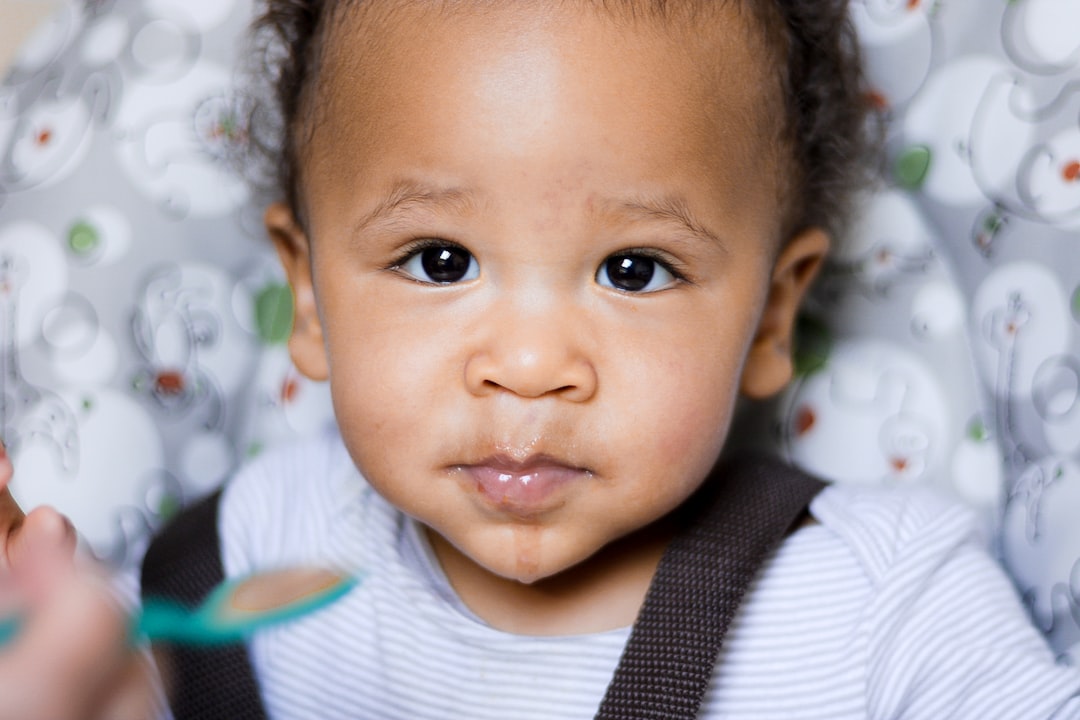
Starting Solids at 5 Months: A Montessori Guide for Families in Sotogrande

Starting solids at 5 months is not what major health organizations recommend. The WHO and the AAP agree that exclusive breastfeeding should be maintained until 6 months, and only then begin introducing other foods. Starting earlier, except for specific medical advice, increases unnecessary risks.
Complementary feeding is understood as the process of offering solid or semi-solid foods along with milk. At 5 months, most babies have not reached the motor and digestive milestones that make this transition safe. Therefore, it is advisable to observe before offering.
Key Points
- The WHO and AAP recommend waiting until 6 months to start solids.
- At 5 months, few babies show all readiness signs.
- Starting earlier may increase the risk of choking and allergies.
- If there are medical reasons, always do so under pediatric supervision.
- The Montessori method invites respecting the child’s individual pace.

Starting Solids at 5 Months: What the WHO Says
The World Health Organization (WHO) recommends exclusive breastfeeding during the first 6 months of life. This is not an arbitrary figure: at that age, the baby’s intestine matures, the extrusion reflex disappears, and head and trunk control allows eating seated safely. Starting complementary feeding at 5 months interrupts a biological process that has not yet finished.
The American Academy of Pediatrics (AAP) agrees: before 6 months, the infant’s kidneys and digestive system are not ready to process certain nutrients. Moreover, replacing milk with puree reduces the intake of iron and zinc that milk provides in ideal quantities.

Real Signs Your Baby is Ready to Eat
More important than exact age is observing your child. A baby ready for complementary feeding shows several signs at the same time: can sit with little support, has lost the extrusion reflex (no longer pushes the spoon with the tongue), shows active interest in adult food, and is capable of bringing objects to the mouth. At 5 months, some infants may show one or two signs, but rarely all together.
For example, your baby might watch you eat or open their mouth when seeing the spoon. However, if they still don’t control their head or slide in the high chair, they are not ready. Daily observation will give you more reliable clues than the calendar.

Risks of Starting Purees at 5 Months
Introducing purees at 5 months, when the baby is not ready, is associated with a higher risk of choking, because swallowing control is not mature. It can also lead to rejection of new textures later: if started too early, the baby hasn’t developed the natural curiosity to explore foods. The main risk of starting solids at 5 months is that it becomes an imposition rather than a discovery.
Additionally, replacing milk with puree reduces the intake of essential nutrients that breast milk or formula provides at that stage. Milk should remain the main food until the age of one.
At IMS Sotogrande, we accompany families from early childhood. If you are looking for an environment that respects your child’s pace, book a personalized visit to the school.
How to Introduce Foods at 5 Months if Your Pediatrician Approves
There are specific cases where a pediatrician may recommend starting before 6 months: severe reflux, poor weight gain, or controlled food allergies. If that is your case, the introduction should be gradual, with single-ingredient foods and very soft texture. Start with cooked and pureed vegetables, gluten-free cereals, or ripe fruits. Never offer honey, whole nuts, or hard foods before the age of one.
If you decide to start complementary feeding at 5 months under medical supervision, keep milk as the base and offer very small amounts, once a day. Observe allergic reactions and wait 3 to 5 days before introducing a new food.
Frequently Asked Questions
Is starting solids at 5 months safe?
No, starting solids at 5 months is not considered safe for most babies, because their digestive system and motor skills are not ready. The WHO and AAP recommend waiting until 6 months.
What foods can I give at 5 months if my pediatrician authorizes it?
If your pediatrician authorizes it for a specific medical reason, start with cooked and pureed vegetables, gluten-free cereals, or ripe fruits in a very fine puree. Avoid honey, whole dairy, and hard or small foods that could cause choking.
How do I know if my 5-month-old baby is ready for solids?
A baby is ready when they can sit with little support, have lost the extrusion reflex, show interest in food, and can bring objects to the mouth. At 5 months, it is rare for all these signs to be met at once.
Key Takeaways
Starting solids at 5 months is not a goal to achieve, but a stage that should be delayed until your baby shows clear signs of readiness, usually near 6 months. Observing before offering is the basis of respectful parenting.
If you have doubts, always consult with your pediatrician. And if you are looking for an educational environment that respects your child’s pace from early childhood, at IMS Sotogrande we will be happy to accompany you. Viviane Dumont.









