
Montessori Sensory Activities for Babies: Age-by-Age Ideas

Montessori sensory activities for babies don’t require glitter glue or colorful pom-poms. Babies need real textures, safe materials they can mouth, and adults who observe without directing. This approach, as natural as it is sensible, guides our practice at Nido Montessori at IMS Sotogrande and can be brought into your home from today.
- Key Points on Montessori Sensory Activities for Babies
- Why Sensory Activities Matter in Infant Development
- Montessori Sensory Activities for Babies 0 to 6 Months: The Observation Era
- Montessori Sensory Activities for Babies 6 to 12 Months: The Active Manipulation Era
- Montessori Sensory Activities for Babies 12 to 18 Months: First Intentional Gestures
- The Role of the Adult: Observe, Don't Direct
- Safe and Sustainable Materials for Creating
- Activities that Lay the Groundwork for Free Art
- Frequently Asked Questions
- Key Takeaways
Key Points on Montessori Sensory Activities for Babies
- Babies learn through their senses, not aesthetic outcomes: the process always matters more than the final product.
- Natural textures (linen fabric, sponges, sanded wood) surpass plastic materials in authentic sensory stimulation.
- Each activity should be adapted to the developmental stage: what fascinates a 4-month-old bores a 10-month-old.
- Constant supervision is mandatory with any material during the first year.
- These activities strengthen the parent-child bond when done in a calm, unhurried space.

Why Sensory Activities Matter in Infant Development
An infant’s brain creates approximately one million neural connections per second during the first years. Every time a baby touches a rough surface or crumples paper, they’re building sensory circuits that will later enable writing, buttoning a jacket, or holding a fork. Hands-on activities offer multisensory experiences that no commercial toy can replicate.
What makes the Montessori approach special is that we value process over outcome. We don’t need the baby to produce a work of art. What matters is that they explore, feel, and discover for themselves. This is one of the central ideas of Montessori pedagogy: the child learns through direct experience with their environment.
Benefits for Fine Motor Skills
Activities strengthen the pincer grasp (the thumb and finger movement that will master utensils), hand-eye coordination, proprioception, and pressure control. A baby crumpling tissue paper is exercising the same muscles that in three years will be used to grip a pencil.
Sensory Stimulation Without Overload
The key is to offer rich but limited experiences. A baby doesn’t need a table full of materials. They need one or two elements with clear textures and enough time to explore them. According to the Association Montessori Internationale, AMI, overstimulation interferes with deep learning. Less is more, especially before the first birthday.
Book a personalized school visit to see how we integrate these activities into the Nido.

Montessori Sensory Activities for Babies 0 to 6 Months: The Observation Era
At this stage, babies don’t yet manipulate with intention, but they do observe, touch with their hands (when something is placed in them), and mouth everything. Proposals should be simple, safe, and offered without expectations.
Texture Baskets with Natural Materials
Prepare a wicker basket with objects of different textures: a silk scarf, a soft-bristled brush, a sanded wooden ball, a flannel piece. Place it near the baby (on the floor, on a blanket) and let them observe, touch, and mouth. Don’t explain anything: their job is to explore.
Gel Sensory Bags
Fill a sealed zip-lock bag with clear hair gel, add edible glitter or small pieces of frozen fruit, and seal with reinforced tape. The baby can press, watch the elements move, and feel the cool temperature. A visual and tactile experience without the mess.
Hanging Fabrics Over the Crib
Hang fabric strips of different weaves (cotton, linen, flannel, organza) from the crib rail or activity gym. Babies aged 3-4 months start to reach for them. The repetition of the gesture strengthens arm control.

Montessori Sensory Activities for Babies 6 to 12 Months: The Active Manipulation Era
From 6 months, the baby crawls, sits, and manipulates with greater dexterity. It’s the ideal time for more active proposals. Activities for babies in this stage become true exploration experiences.
Edible Yogurt Paint
Mix natural yogurt with food coloring (or better: cooked beetroot, spinach, or turmeric). Offer two or three colors on a silicone tray, place thick paper on the floor, and leave the baby with minimal clothing. What they do with the paint is irrelevant. What matters is that they feel it between their fingers.
Tissue Paper and Cardboard Collage
Place a piece of thick cardboard with a thin layer of paste (flour cooked with water). Offer large pieces of tissue paper. The baby will crumple, stick, and probably try to eat it. All correct. This activity works bilateral coordination: one hand holds while the other crumples.
Exploration Tables with Natural Materials
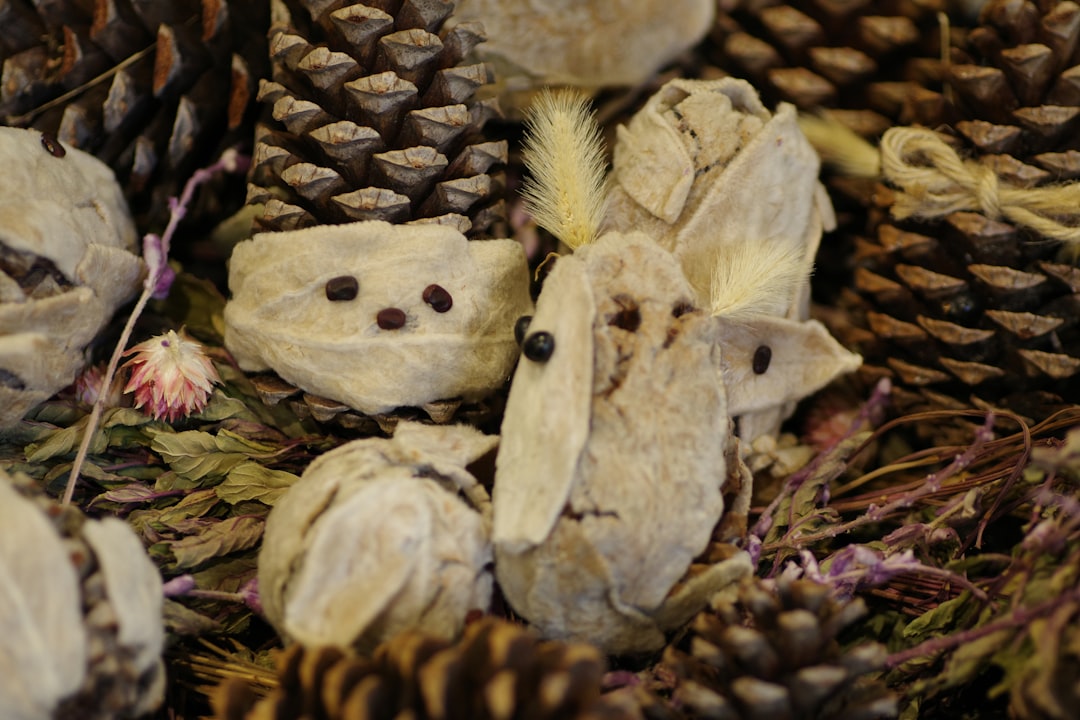
At IMS, we organize tables with pine cones, tree bark, smooth stones, shells, and dry leaves. Babies stack, throw, bang, and mouth them. It’s chaotic and wonderful. At home, you can replicate it with materials you already have: cork stoppers, wooden spoons, small wicker baskets.
Montessori Sensory Activities for Babies 12 to 18 Months: First Intentional Gestures
The baby now crawls confidently, can sit for long periods, and starts to use the pincer grasp with precision. Proposals gain complexity without losing the sensory essence.
Poking with Sandpaper
Cut simple shapes (circle, star) from fine sandpaper. The baby can feel the rough texture, bang it against the table, and try to tear it. It’s a pure fine motor activity that lays the groundwork for real poking in Children’s House.
Stamping with Sponges and Corks
Offer sponges cut into simple shapes (heart, circle) and corks. Leave them on a tray with barely diluted paint. The baby will stamp, mix colors, and probably get messy up to their eyebrows. The adult observes, does not correct.
Pouring with Tinted Water
Two small bowls, water with a few drops of food coloring, and a spoon or large dropper (depending on the baby’s dexterity). Passing liquid from one container to another works concentration and coordination. Put a towel underneath: the water will end up on the floor.
The Role of the Adult: Observe, Don’t Direct
This is perhaps the most important point of the entire guide and the hardest to put into practice. In Montessori, the adult prepares the environment and then steps aside. This means you can offer the materials, arrange them attractively, and then… sit nearby with a book.
If the baby gets frustrated because the dough isn’t doing what they want, offer presence. Don’t solve the problem for them. If they eat the tissue paper instead of sticking it, it’s perfect. If the paint ends up in their hair, it’s okay. Trust in the child is the pillar of everything.
In the Nido at IMS, we see every day how babies who receive this space of autonomy develop concentration and self-confidence that make a difference in later stages. The philosophy is summarized in a phrase by Maria Montessori: “Don’t help me to do it myself.”
Safe and Sustainable Materials for Creating
Safety is everything during the first year. Everything that reaches the baby’s hands will end up in their mouth, so the rule is simple: if it’s not safe to suck, it doesn’t work.
Which Natural Materials to Choose
Prioritize real textures: cotton, linen, unvarnished sanded wood, natural sponges, cork, thick cardboard. Soft colors (earth tones, greens, pale blues) promote concentration much more than intense visual stimuli. A neutral color palette isn’t boring for babies: it’s calming.
What to Avoid
Non-child-safe paints (look for AP or CE labels), conventional glitter (microplastics), small pieces that could come off (buttons, googly eyes), materials with sharp edges, and any element that requires chemical glue. At IMS, we prioritize natural and reused materials: cardboard boxes, paper rolls, cork stoppers.
Activities that Lay the Groundwork for Free Art
The sensory experiences we offer babies aren’t aimed at producing pictures for the fridge. They aim to lay the foundation for a healthy relationship with the creative process. A baby who has explored textures without pressure becomes a 3-year-old who feels free to paint what they want in Children’s House, and a Workshop student (6-12 years) capable of designing their own projects.
At IMS, this journey is continuous: from the Nido to the Workshop, each stage builds on the previous one. Children who arrive at Children’s House with that sensory foundation show a creative autonomy that can’t be taught with worksheets. It’s cultivated, like everything important.
If you’re looking for a school where your child can grow with this philosophy from the earliest months, at IMS Sotogrande we accompany families from the Nido (4 months) to the Workshop (12 years). Check our admissions process and request a visit to learn about our facilities and team.
Frequently Asked Questions
At what age can a baby start doing sensory activities?
Babies can benefit from sensory experiences from 3-4 months, when they start to grasp objects voluntarily. At that age, proposals are observational (texture baskets, hanging fabrics). More active activities, like edible paint, are recommended from 6-8 months, when the baby sits with support and manipulates with more intention.
What paint is safe for babies?
Paints labeled AP (Approved Product) or CE certified for children are safe for skin contact. However, for babies under 12 months, homemade edible paints are most recommended: natural yogurt with food coloring, flour cooked with natural pigments like beetroot or turmeric. They eliminate any risk if the baby puts them in their mouth.
Do sensory activities strengthen 6-month-old babies?
Yes. Sensory activities like finger painting, crumpling paper, or exploring texture baskets strengthen fine motor skills, hand-eye coordination, and concentration capacity. They also develop the baby’s confidence in their own abilities when allowed to explore without corrections or constant adult intervention.
When can a baby do finger painting?
Conventional (non-edible) finger paint is recommended from 18-24 months, when the child already understands not to put their hands in their mouth. Before that age, you can offer safe alternatives like edible yogurt or flour paints. The key is to respect the baby’s pace: if they show interest in painting earlier, adapt the materials.
Do babies understand sensory activities?
Babies don’t understand activities as adults do (a project with a start and end). What they do is process sensory information: textures, temperatures, weights, causes and effects. Every crumple of paper, every paint smear, every object that falls to the floor is pure learning. What seems like mess to us is development for them.
Key Takeaways
Sensory activities for babies are a valuable opportunity for connection and discovery. Every texture explored and every repeated gesture strengthens the little one’s confidence in their own abilities, besides building the neurological foundations for future skills like writing or using utensils.
At IMS, we accompany this process from the Montessori Nido, where each child works at their own pace with natural materials in a prepared and safe environment. If you’re interested in learning how we integrate sensory development into Montessori education from the earliest months, we invite you to visit our admissions page and request a personalized appointment.
Each activity is an open door to knowledge of the world. You don’t need expensive materials or elaborate plans. Just presence, patience, and the willingness to let your child explore their way. The result won’t be a work of art to hang on the fridge, but something much more valuable: a child confident in themselves, curious, and connected to their environment.









