
Montessori vs Waldorf: A Guide for Families in Sotogrande & Campo de Gibraltar
In short
Choosing the right school is one of the most important decisions a family will make. In Campo de Gibraltar and the Costa del Sol, where international education options are growing, Montessori and Waldorf methods stand out as robust alternatives to traditional schooling. But how exactly do they differ?

Choosing the right school is one of the most important decisions a family will make. In Campo de Gibraltar and the Costa del Sol, where international education options are growing, Montessori and Waldorf methods stand out as robust alternatives to traditional schooling. But how exactly do they differ? This practical guide breaks down their philosophies, environments, and rhythms to help you make an informed decision. In this article we explore Montessori vs Waldorf in depth with practical examples.
- Montessori prioritizes child autonomy and self-directed learning with concrete sensory materials.
- Waldorf focuses on holistic development, imagination, and the rhythm of nature.
- Both methods reject standardized testing and numerical grades in early years.
- Classroom structure and the teacher’s role vary significantly between the two approaches.
Montessori vs Waldorf: Origins and Foundational Philosophies
Understanding their roots helps explain their practices. Montessori pedagogy was founded by Italian physician Maria Montessori in the 1900s. Her method emerged from the scientific observation of children in prepared environments. The core premise is that the child possesses an “absorbent mind” and a natural inclination towards learning if given the proper environment. When it comes to Montessori vs Waldorf, it pays to listen to what families and lead guides actually report.
The Waldorf method, created by Rudolf Steiner in Germany in 1919, has a more anthroposophical basis. Steiner believed in human development occurring in seven-year stages (developmental planes). His approach integrates art, movement, and practical work to nurture a child’s thinking, feeling, and willing in a balanced way. Daily practice with Montessori vs Waldorf reveals nuances no handbook fully captures.

Learning Environments: The Classroom as the Third Teacher
The physical design of the space is a fundamental difference. A Montessori classroom is carefully arranged into curricular areas (practical life, sensorial, language, math, culture). The materials are aesthetic, made from wood or natural materials, and are accessible to the child on open shelves. Each child chooses their activity and works at their own pace, sitting on the floor or at low tables.
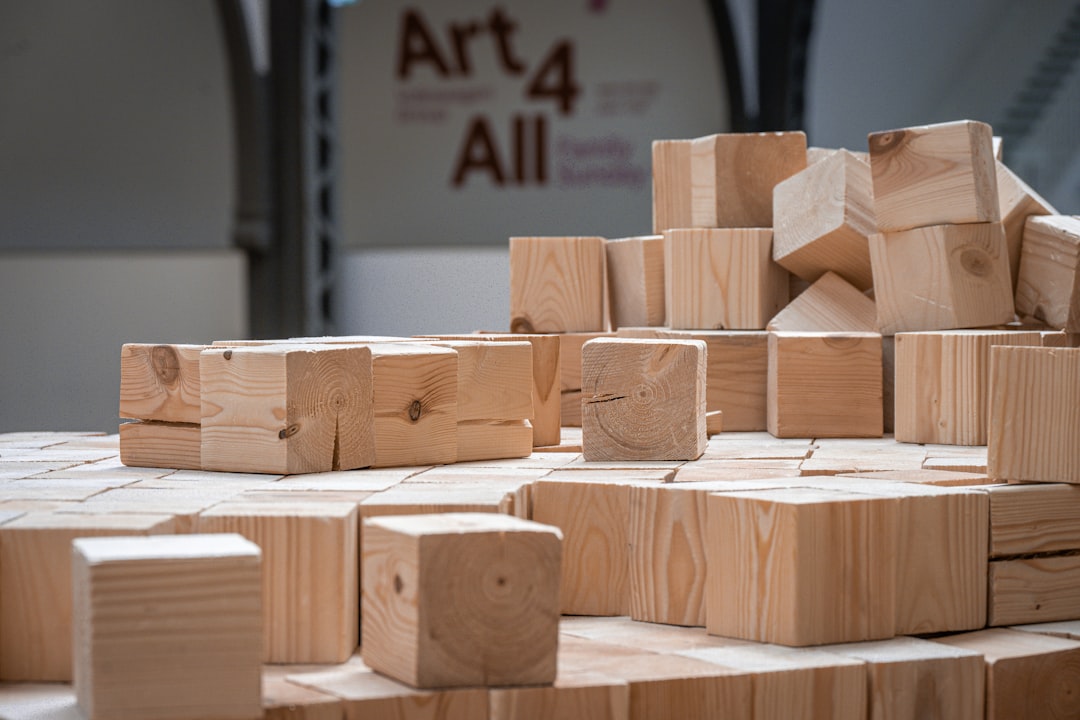
In a Waldorf school, the environment is more homelike and organic. Soft colors, natural fabrics, and simple toys (wooden blocks, silks, dolls with undefined features) dominate the space. There are no shelves with didactic materials on display. Furniture is often more communal, encouraging group activities around a table.
Montessori vs Waldorf Materials
Montessori materials are didactic and self-correcting. Think of the cube towers, knobbed cylinders, or sandpaper letters. Each has a specific educational purpose and a single correct path of use. This allows the child to identify and correct their own errors without adult intervention.
Waldorf materials are intentionally “incomplete.” A piece of wood can be a telephone, a boat, or a sword. This simplicity stimulates imagination and symbolic play. Natural colors and textures are prioritized to connect the child with their surroundings.

Role of the Adult: Guide vs. Loving Authority
In the Montessori model, the adult is a “guide.” They observe the child, prepare the environment, and present individual or small-group lessons. Once a material is shown, they step back to allow autonomous exploration. Intervention is minimal and always respectful of the child’s concentration.
In Waldorf pedagogy, the teacher is a warm, stable authority figure who stays with the same group of children for several years (sometimes up to eight). Their role is to model behaviors and activities through imitation, especially in the early years. They lead songs, stories, and handwork.

Rhythms, Schedules, and Daily Structure
The Montessori method respects the child’s concentration cycle. In a Children’s House (3-6 years), long periods (2.5 to 3 hours) are dedicated to “work” in the morning. Children choose their activities within the prepared structure. There are no forced group interruptions. The rhythm is individual.
The day in a Waldorf kindergarten (3-6 years) is marked by “rhythm” (inspiration-exhalation). There are moments of directed activity (imitative free play, domestic work like kneading bread) followed by moments of gathering (stories, songs). The day has a rhythmic predictability that gives the child security.
How to Apply Each Method at Home
You don’t need to enroll your child in a special school to incorporate elements of these methods. At home, you can create a “Montessori corner” with a low shelf where the child chooses between 6-8 activities. Promote autonomy with child-sized tools: a small pitcher for pouring water, a broom for sweeping.
To integrate the Waldorf spirit, establish predictable daily and weekly rhythms. Dedicate time to outdoor play without structured toys. Cook, garden, or do simple crafts alongside your child. Prioritize open-ended toys of wood, fabric, and natural materials over plastic.
Frequently Asked Questions
Which method is better for a very active child?
Both can adapt. A child with high energy might benefit from the extensive body work in Montessori (carrying trays, sweeping) and Waldorf’s emphasis on free movement and dance. In both cases, natural movement is allowed, unlike traditional classrooms that demand sitting still for long periods.
Which method teaches reading earlier?
The Montessori method typically introduces phonemic awareness and the written code explicitly and early (around ages 4-5) with materials like the movable alphabet. Waldorf introduces formal reading later, generally in first grade (6-7 years), prioritizing oral language, rhymes, and forms first.
Do they prepare children for high school and university?
Yes. Both programs through secondary school follow a complete and rigorous curriculum. Students from Montessori and Waldorf develop executive function skills, critical thinking, and self-management highly valued in higher education. Many universities actively seek this student profile.
Are they suitable for neurodivergent children?
Waldorf’s predictable structure and respect for individual pace can benefit children with anxiety. The sensory focus and freedom of movement in Montessori can be ideal for other profiles. The key is to visit the school, talk with the guides, and see if the specific environment adapts to your child’s particular needs.
Key Takeaways
The choice between Montessori and Waldorf is not about which is “better,” but which aligns best with your child’s nature and your family’s values. Montessori offers structure within freedom and an analytical approach, Waldorf offers an artistic path based on imitation. I encourage you to visit a school of each method in your area (like our school in Sotogrande) and observe the children. Their level of concentration, joy, and calm will give you the most honest answer.









