
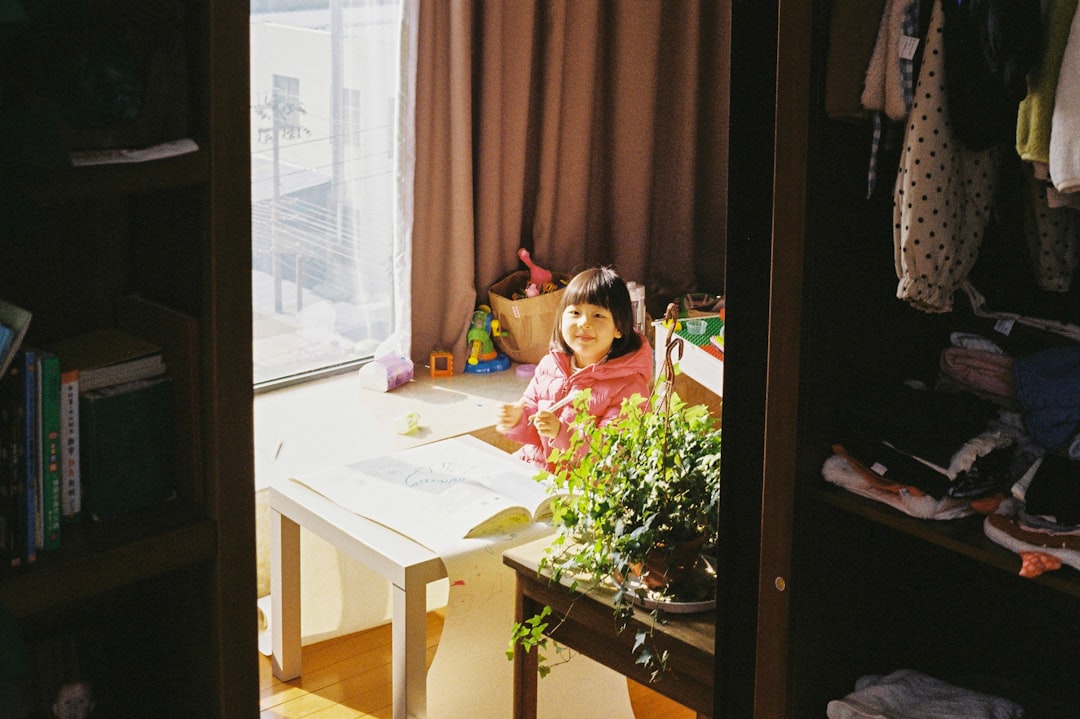
Montessori at Home: A Practical Guide for Families with Kids Aged 3-6 in Sotogrande & Costa del Sol

Montessori at home with children aged 3 to 6 is a respectful way to support their development without turning your living room into a classroom. You don’t need expensive materials or a certified Montessori guide. You just need to understand what your child needs at this stage and offer an environment that invites exploration. From 3 to 6 years old, children go through the period of the conscious absorbent mind, refining their coordination, language, and will. In this article, we share practical ideas for setting up a Montessori environment in your home, from the kitchen to the bedroom, plus activities that connect with the real interests of the Children’s House stage. Because parenting from a place of respect is not just a philosophy, it’s a way of life you can start today, whether you live in Sotogrande, Estepona, or anywhere in the Campo de Gibraltar.
- Key Points
- Why Use the Montessori Method at Home for Ages 3-6 in Sotogrande and Costa del Sol?
- The Prepared Environment: Creating a Home that Invites Independence
- Common Mistakes When Applying the Montessori Method at Home (and How to Avoid Them)
- Montessori Activities for 3 to 6 Year Olds You Can Do at Home
- Limits and Freedom: Managing Routines Without Falling into Permissiveness
- Frequently Asked Questions
- Key Conclusions
Key Points
- The prepared environment is the main “teacher” at home, not electronic toys.
- Involving the child in real household tasks builds autonomy and self-esteem.
- Homemade Montessori materials require no investment: well-chosen everyday objects work better.
- Freedom with clear limits provides security and reduces power struggles.
- At this age, play and learning go hand in hand. Following their interests boosts concentration.

Why Use the Montessori Method at Home for Ages 3-6 in Sotogrande and Costa del Sol?
This period, known as the second childhood, is a unique window of opportunity. According to the Association Montessori Internationale, a child aged 3 to 6 refines movements, organizes logical thinking, and builds the foundations of social life. At home, applying the Montessori method means taking advantage of these natural impulses so your child gains confidence. It’s not about replicating a classroom, but about observing and preparing an environment that responds to real needs. For example, if your little one insists on dressing alone at age 4, the environment should allow it: a low coat rack, accessible clothes, and a mirror where they can see themselves. The repetition of these experiences builds solid self-esteem, something no empty praise can achieve. When it comes to Montessori at home, it pays to listen to what families and lead guides actually report.

The Prepared Environment: Creating a Home that Invites Independence
A Montessori prepared environment at home does not mean extreme minimalism or designer furniture. It is a space where every element has a purpose and is within the child’s reach. Start in the kitchen: a sturdy step stool, small ceramic plates, a low glass, and a small pitcher for serving water. In the bedroom, place the bed on the floor, baskets with rotating books, and a wardrobe with no more than four outfits. Less is more: too many options overwhelm and distract. External order supports internal order, crucial at this stage. Also include plants your child can water and an hourglass to visualize time. Book a personalized school visit and see how we apply these principles in our Children’s House classrooms. The prepared environment is not only physical. It is also emotional. Your tone of voice, active listening, and clear limits are part of it. Daily practice with Montessori at home reveals nuances no handbook fully captures.

Common Mistakes When Applying the Montessori Method at Home (and How to Avoid Them)
One of the most common mistakes is buying too many Montessori materials without considering the child’s real interest. The spindle box or the pink tower can gather dust if your child is focused on symbolic play or climbing. Another mistake is mistaking freedom for permissiveness. Letting a 4-year-old decide whether to brush their teeth is not Montessori, it’s neglect. Limits, when consistent and explained with love, provide security. A trick: replace commands with limited choices (“Do you want to wear the blue pajamas or the green ones?”) and avoid lectures. The American Academy of Pediatrics emphasizes that predictable routines reduce childhood anxiety. Finally, don’t obsess over perfection. If one day everything goes wrong, breathe: the Montessori method at home is a journey, not a destination. Understanding Montessori at home from inside the classroom reshapes everyday decisions.
Montessori Activities for 3 to 6 Year Olds You Can Do at Home
Montessori activities at home should come from observing your child: What fascinates them? What movement do they repeat? Below are three categories that almost always work:
Practical Life: The Heart of the Montessori Method at Home
For many children of this age, practical life is the main magnet. Setting the table, sweeping, cutting a banana with a blunt knife, folding napkins, or cleaning a mirror with a small spray bottle gives them a real purpose. Don’t underestimate these tasks: by doing them, your child coordinates eye and hand, sequences steps, develops logic, and feels part of the family. A tip: have a mop their size and an apron on hand. The key is not to intervene while they concentrate, even if the result isn’t perfect.
Sensory and Language Materials with Everyday Objects
You don’t need to buy the color boxes. You can pair socks, sort legumes by size or texture, smell spices with eyes closed, or taste bitter, sweet, and salty foods. For language, vocabulary cards with real photos are a winner: animals, fruits, occupations. And to prepare the hand for writing, playdough, a pin poke, or threading macaroni are pure gold. These ideas, far from being a whim, respond to sensitive periods that Montessori pedagogy at home takes advantage of in full measure.
Limits and Freedom: Managing Routines Without Falling into Permissiveness
The balance between freedom and limits is the great challenge for any family applying Montessori at home. A home without rules disorients. A rigid home suffocates. Children aged 3 to 6 need to know what is expected of them: visual schedules with pictograms, a calm corner with cushions and sensory elements, and above all, consistency. If shouting is wrong today but ignored tomorrow, your child doesn’t understand the map. When a tantrum comes, validate the emotion (“you’re angry because you want to stay in the park”) and hold the limit calmly: “we’re going home now.” It’s not magic, but over time your child will learn to self-regulate. And remember, the adult has a right to rest too: a prepared Montessori environment only works if you’re okay.
Frequently Asked Questions
What Montessori Materials Do I Need to Start at Home?
To start applying the Montessori method at home, you barely need any investment. With everyday objects you already have a sensory lab: chickpeas for pouring, clothespins, a jar of coins and a piggy bank. Commercial materials can come later, only if you observe a genuine and prolonged interest. Before buying, ask your child: What do you want to explore? Often a bucket of water and a cloth are more valuable than any structured toy.
Can I Apply Montessori If My Child Attends a Traditional School?
Yes. The Montessori method at home does not compete with school. It complements it. What you offer at home, autonomy, respect, time to concentrate, nurtures your child’s development regardless of the educational system. Many families in the Campo de Gibraltar who bring their children to our school in Sotogrande started this way, with small changes at home, and later felt the need for a more aligned education. The key is consistency: if school has rows and exams, at home you can protect natural curiosity and experiential learning.
How to Handle Tantrums with a Montessori Perspective?
Tantrums in children aged 3 to 6 are normal: the prefrontal lobe is still immature. From the Montessori method at home, they are not punished or ignored. They are accompanied with calm presence. Get down to their level, name the emotion (“I see you’re very frustrated”) and offer a hug if they accept it. Once the storm passes, you can look for a solution together. Avoid reasoning during the emotional peak. The time to teach is before or after, never during the outburst.
Key Conclusions
Creating a Montessori environment at home does not require a high budget or a perfect house. The essential thing is the way you look at your child: trust their ability, respect their pace, and offer real opportunities to participate. Start with a corner and a simple activity. You’ll see how their concentration and independence flourish.
If you feel you need support or want to see first-hand how we work with the Montessori pedagogy at IMS Sotogrande, our doors are open. Book a visit, observe a Children’s House classroom, and take away ideas that will transform your home. Change begins with a single step… and that step can be today.









