
What Can a 4-Month-Old Eat? A Montessori Baby-Led Weaning Guide for Families near Gibraltar & Costa del Sol
In short
If you're researching what can a 4-month-old eat, you've probably heard about complementary feeding. It's a time full of questions: Is my baby ready? What should I give? How do I know if it's safe? At Montessori, we approach these milestones with respect, observing the child and offering opportunities tailored to their real development, not a fixed calendar.

If you’re researching what can a 4-month-old eat, you’ve probably heard about complementary feeding. It’s a time full of questions: Is my baby ready? What should I give? How do I know if it’s safe? At Montessori, we approach these milestones with respect, observing the child and offering opportunities tailored to their real development, not a fixed calendar. In this article we explore Montessori baby-led weaning 4 months in depth with practical examples.
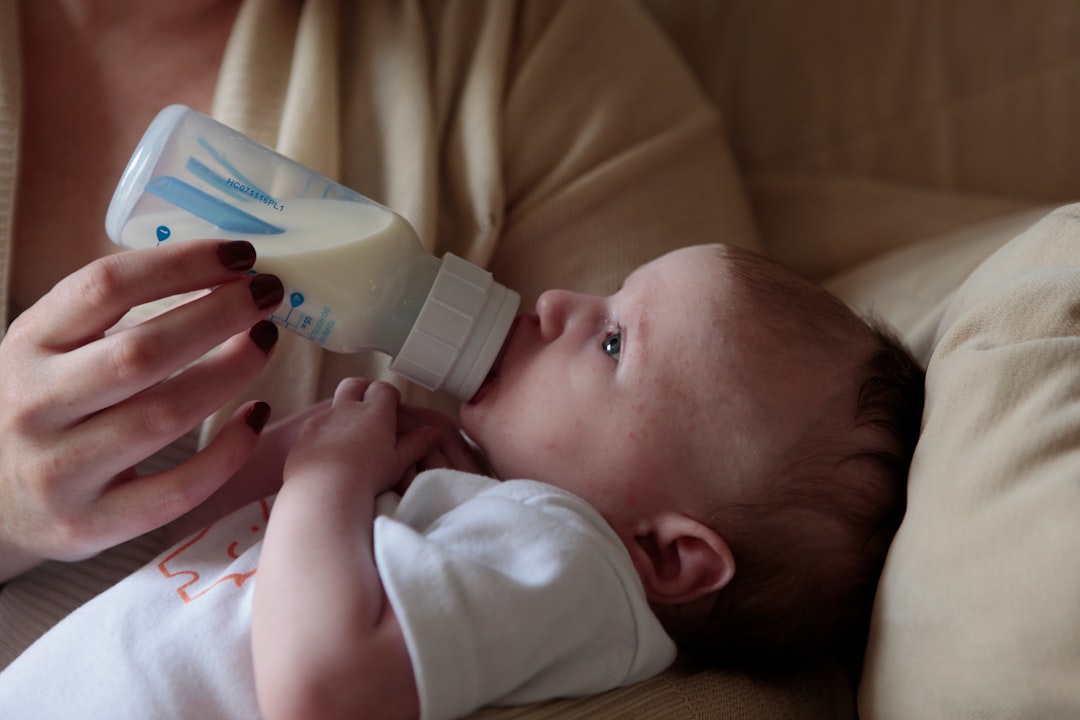
Milk, breast or formula, is still their main food. At this age, introducing other foods is more about sensory learning than calories. And no, we don’t start with purees or forced schedules: in Montessori, we promote independence from the start, even at the table. When it comes to Montessori baby-led weaning 4 months, it pays to listen to what families and lead guides actually report.
What Can a 4-Month-Old Eat?
The World Health Organization recommends exclusive breastfeeding until 6 months. However, some pediatricians and Montessori guides allow starting complementary feeding between 4 and 6 months if the baby shows clear readiness signs. But beware: offering solids too early just because ‘they’re 4 months’ can be counterproductive. Before wondering what can a 4-month-old eat, make sure they are truly ready. Daily practice with Montessori baby-led weaning 4 months reveals nuances no handbook fully captures.
If they are, first foods should be soft, easy to digest, and rich in iron and zinc, nutrients that breast milk starts to cover less from this age. Some safe options:
- Mashed ripe avocado (not totally pureed, almost smashed).
- Very ripe banana mashed with a fork.
- Cooked and mashed sweet potato or pumpkin.
- Unsweetened apple or pear compote.
- Gluten-free infant cereals (rice, corn) in a very thin porridge.
But in Montessori, we don’t spoon-feed purees. From day one, we offer soft pieces the baby can grasp with their hands. When you ask what can a 4-month-old eat in a respectful approach, the answer is: BLW (Baby-Led Weaning) foods that don’t pose a choking risk.
If you’d like to see how we accompany your baby’s development in a prepared Montessori environment, book a personalized school visit and come to our Nido (0-3 years).

Signs Your Baby Is Ready to Start Solids
Not all 4-month-olds are ready. Forcing it can cause rejection, stress, and loss of trust. Look for these indicators, the same ones we use in our Nido classrooms:
- Sits with little support.
- Has lost the extrusion reflex (no longer pushes food out with tongue).
- Shows interest in what you eat, watches you chew, tries to grab food.
- Coordinates eyes, hands, and mouth (can bring objects to mouth).
- Has roughly doubled birth weight.
If you don’t see these signs, wait. Respecting individual pace is the foundation of Montessori pedagogy. A baby who starts eating when truly ready will experience the meal with joy and curiosity, not anxiety.

Foods a 4-Month-Old Can Eat: The Montessori Guide
In Montessori, eating is an act of autonomy. So at 4 months (if ready), we offer food in self-managed formats, always supervised. The idea of ‘what can a 4-month-old eat’ becomes ‘what can they explore by themselves?’
Some suggestions:
- Thick avocado strips (about 5 cm, so they can grasp but not swallow whole).
- Steamed broccoli florets, very soft.
- Steamed carrot sticks, thick.
- Baked apple sticks (skinless, mashable between fingers).
- Boiled pear strips, very ripe.
Important: food is offered, not imposed. The baby decides how much and what to pick. Our job is to prepare a safe environment with a wide tray, a comfortable bib, and plenty of calm.
According to the Association Montessori Internationale, developing independence in eating is a pillar that fosters fine motor coordination and self-confidence. It’s not just about nutrition, but building a healthy relationship with food from the start.
Foods to Avoid at 4 Months
As important as knowing what can a 4-month-old eat is knowing forbidden foods. Their digestive system is still very immature, and some foods can cause severe allergies or choking. Avoid completely:
- Honey (risk of infant botulism).
- Added salt and sugar.
- Cow’s milk as main drink (before 12 months).
- Raw leafy greens (like spinach, due to nitrates).
- Whole nuts or pieces, grapes, popcorn (choking hazard).
- Large fish high in mercury (swordfish, bluefin tuna).
- Hard foods like raw carrot or crunchy apple.
And very important: never leave a baby alone while eating. Also, don’t offer too much water. Milk is enough. If starting complementary feeding, you can offer sips of water in an open cup (Montessori-style) after meals.
The Montessori Method in Feeding: Independence from the Cradle
Even as we discuss what can a 4-month-old eat, the ‘how’ is even more relevant. Montessori is not a list of foods: it’s an approach that turns eating into learning. From day one, the child sits at the table with the family, in their high chair, and actively participates. We don’t feed them: we accompany them as they eat on their own.
For that, the environment is key: a silicone plate with suction cup, adapted utensils from 6 months (before that, just their hands), a nearby mirror so they can see themselves, and plenty of patience. Yes, they will get messy. Yes, they will throw food on the floor. And that’s fine: it’s part of learning hand control and cause-effect relationships.
At the IMS Sotogrande Nido, we respect these rhythms. No rush or strict mealtimes. The guide observes, offers, and removes the plate when the baby loses interest. This way, each child builds their own self-regulation.
Frequently Asked Questions About Feeding a 4-Month-Old Baby
Can I give water to a 4-month-old baby?
If they only take milk, they don’t need extra water. With solid introduction, you can offer small sips of water in a small open cup to start familiarizing. Avoid water bottles and don’t force it: main hydration is still milk.
How do I know if my baby is allergic to a food?
Introduce each new food one at a time and wait at least three days before adding another. Observe any reaction: rash, vomiting, diarrhea, lip swelling, or breathing difficulty. At the slightest suspicion, stop that food and consult your pediatrician. Some allergens like egg or peanut are introduced later, from 6 months on and following medical advice.
How many times a day should a 4-month-old eat?
Initially, one feeding a day is enough. It can be mid-morning or noon, when the baby is most awake and eager to explore. It doesn’t replace milk: they eat first, then you offer breast or bottle. The World Health Organization insists that milk remains the base until one year.
Key Takeaways
Defining what can a 4-month-old eat is just the first step. What’s decisive is observing readiness signs, offering safe foods, and respecting their autonomy. Montessori reminds us that each baby has their own pace, and feeding should be a joyful discovery, not a battle.
At IMS Sotogrande, we support families from the first months of life. If you’d like to see how we work on autonomy and free movement in the Nido (0-3 years), we invite you to request a visit. We are in Sotogrande, just minutes from Alcaidesa, La Línea, and Gibraltar. Write to us at [email protected] or call +34 653 04 17 39.









